
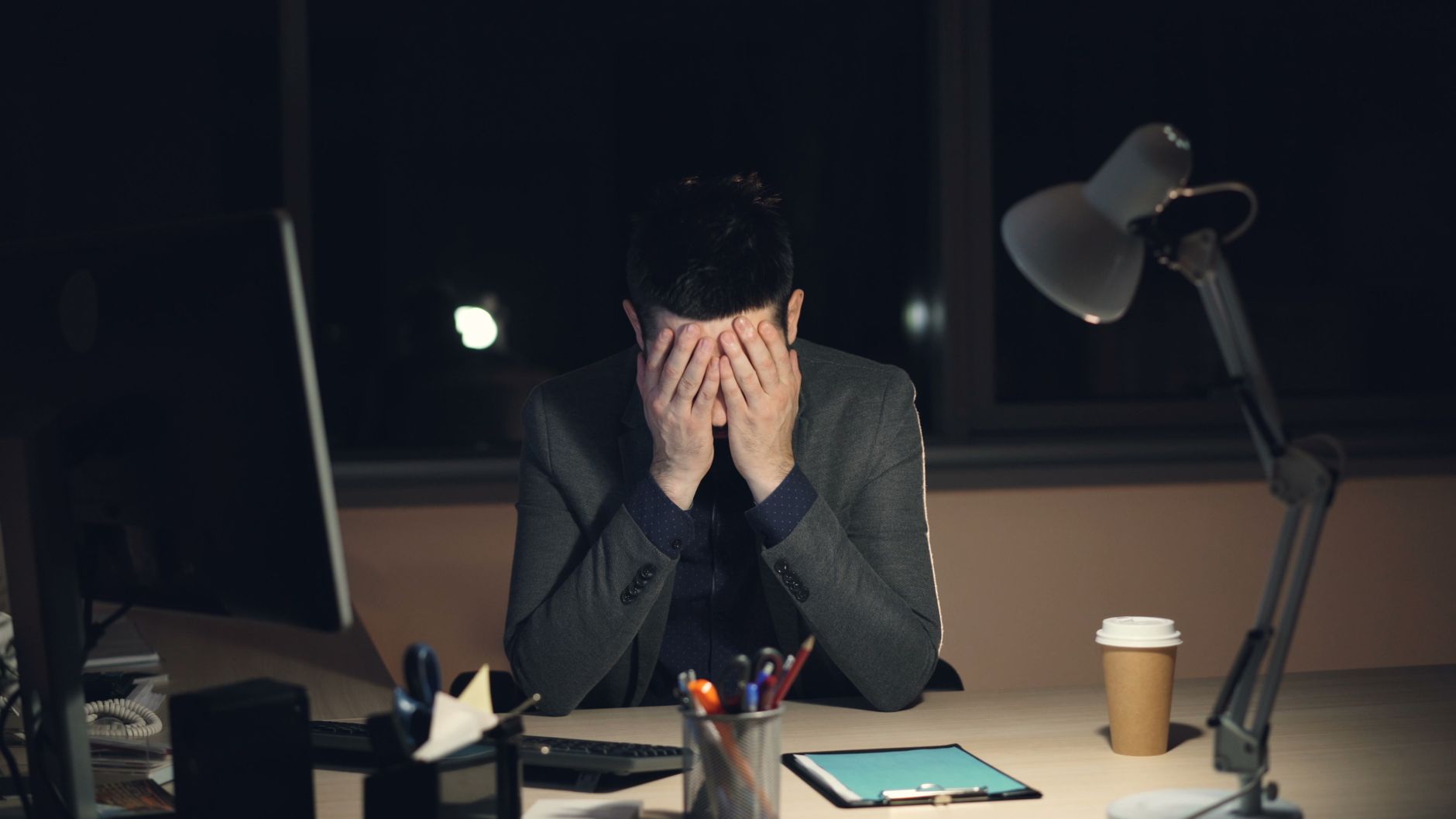
After a late night, many people notice foggy concentration, dry eyes and a heavy body the next day, even if they try to catch up on sleep. Instead of focusing only on guilt about sleeping late, it is more practical to understand what the body needs most in the following 24 hours. This article summarizes five major types of post–late-night self-care: resting smart, eating and drinking wisely, gentle movement, mental stress relief and basic skin and eye care. The information is for general wellness only and is not a medical diagnosis or treatment suggestion; people with chronic conditions or on regular medication are advised to consult medical professionals for personalized guidance.
1. Smart rest: how to catch up on sleep without wrecking your rhythm
The first instinct after staying up late is often to sleep in as long as possible, but oversleeping can throw off the internal clock for several days. Many sleep specialists suggest keeping the usual wake-up time and using a short daytime nap instead, so the circadian rhythm has a consistent anchor. A 20–30 minute nap in the early afternoon is usually enough to refresh alertness without causing grogginess or making it harder to fall asleep at night. On the night after a late bedtime, creating a simple wind-down routine, such as dimming lights, reading on paper or light stretching, gives the brain a clear signal that it is time to shift into rest mode.
- Keep a regular wake-up time and avoid sleeping past late morning.
- Use a brief nap of about 20–30 minutes rather than a long afternoon sleep.
- Avoid strong caffeine or energy drinks within several hours of bedtime.
- Build a simple pre-sleep ritual, such as stretching or reading offline.
2. Hydration and gentle nutrition to support energy
After a night of reduced and fragmented sleep, the body often feels unusually thirsty and cravings for sweets or heavy snacks may show up. Instead of grabbing only strong coffee and sugary food, focusing on water and balanced meals gives more stable energy throughout the day. Many nutrition professionals point out that mild dehydration can amplify fatigue, so sipping water regularly in the morning and early afternoon is a practical first step. Light meals that include protein, such as eggs, yogurt, tofu or fish, together with vegetables, whole grains and fruit, provide steady fuel for the brain without the dramatic ups and downs that come from high-sugar snacks.
- Drink plain water or unsweetened tea across the day, especially in the morning.
- Choose meals with protein, vegetables and whole grains instead of only refined starch.
- Limit very greasy, heavily salted or very spicy foods, which may burden digestion.
- If considering supplements, discuss choices with a doctor or dietitian first.
3. Gentle movement to wake up the body
When sleep is short, many people feel tempted to sit all day to conserve energy, yet light movement can make the body feel more awake than staying completely still. Short walks, relaxed cycling or an easy yoga session promote blood circulation and help clear the drowsy feeling that lingers after a late night. There is no need for intense workouts on a day of little sleep; high-intensity exercise may even feel overwhelming and increase perceived stress. Instead, aiming for several ten-minute movement breaks during the day, especially outdoors with natural light, is a realistic way to help the internal clock gradually return to its normal pattern.
- Take brief walks outdoors to combine movement with natural daylight exposure.
- Try light stretching for the neck, shoulders and lower back after long sitting.
- Avoid heavy workouts if feeling dizzy, unsteady or unusually breathless.
- Listen to the body and stop if discomfort appears; safety comes before training goals.
4. Stress relief and mental reset after a long night
Late nights are often linked with work deadlines, exams or caring responsibilities, which means mental tension is high even after the task is finished. Without some form of stress relief, the nervous system may stay in a keyed-up state, making it hard to unwind or sleep soundly the next night. Simple techniques such as slow breathing, listening to calm music or writing down tasks for the next day can reduce the sense of overload. Some people find it helpful to set a clear “cut-off time” in the evening when screens and work-related messages are put away, allowing the mind to detach from the sense of urgency.
- Use short breathing exercises, for example inhaling slowly, pausing and exhaling longer.
- Schedule a brief break for a hobby such as reading, drawing or light gardening.
- Reduce evening exposure to news or work chats that raise stress.
- If ongoing anxiety or low mood persists, consider seeking professional mental health support.
5. Basic skin and eye care for visible fatigue
After staying up late, dark circles, puffy eyelids and a dull complexion are common, especially for people who already spend many hours in front of screens. While these changes are largely cosmetic, simple eye and skin care habits can ease discomfort and help someone feel more presentable at work or social events. Gently cleansing the face before sleep, applying a mild moisturizer and avoiding harsh scrubs on a tired day are usually sufficient. For the eye area, taking regular breaks from screens, using artificial tears if recommended by an eye specialist, or placing a cool, clean compress over closed eyes for a few minutes may reduce the heavy sensation around the eyes.
- Keep a regular routine of cleansing and moisturizing without overdoing treatments.
- Follow the “20-20-20” rule for screens: every 20 minutes, look 20 feet away for 20 seconds.
- Adjust screen brightness and font size to reduce eye strain.
- If there is persistent eye pain, vision changes or strong redness, consult an eye doctor.
Putting it all together: a realistic 24-hour recovery plan
Post–late-night recovery works best when small steps in several areas are combined rather than relying on a single remedy. In the first morning, drinking water, eating a light but complete breakfast and getting some daylight can lay a basic foundation. During the day, short movement sessions, screen breaks and a brief nap help maintain function without pushing the body too far. In the evening, a predictable wind-down routine, lighter dinner and reduced caffeine intake support deeper sleep, so the body can gradually return to a more stable rhythm. All suggestions in this article are for general information only and cannot replace professional medical advice; people with heart disease, metabolic conditions, long-term sleep problems or other health concerns are encouraged to discuss individual plans with qualified healthcare providers.