
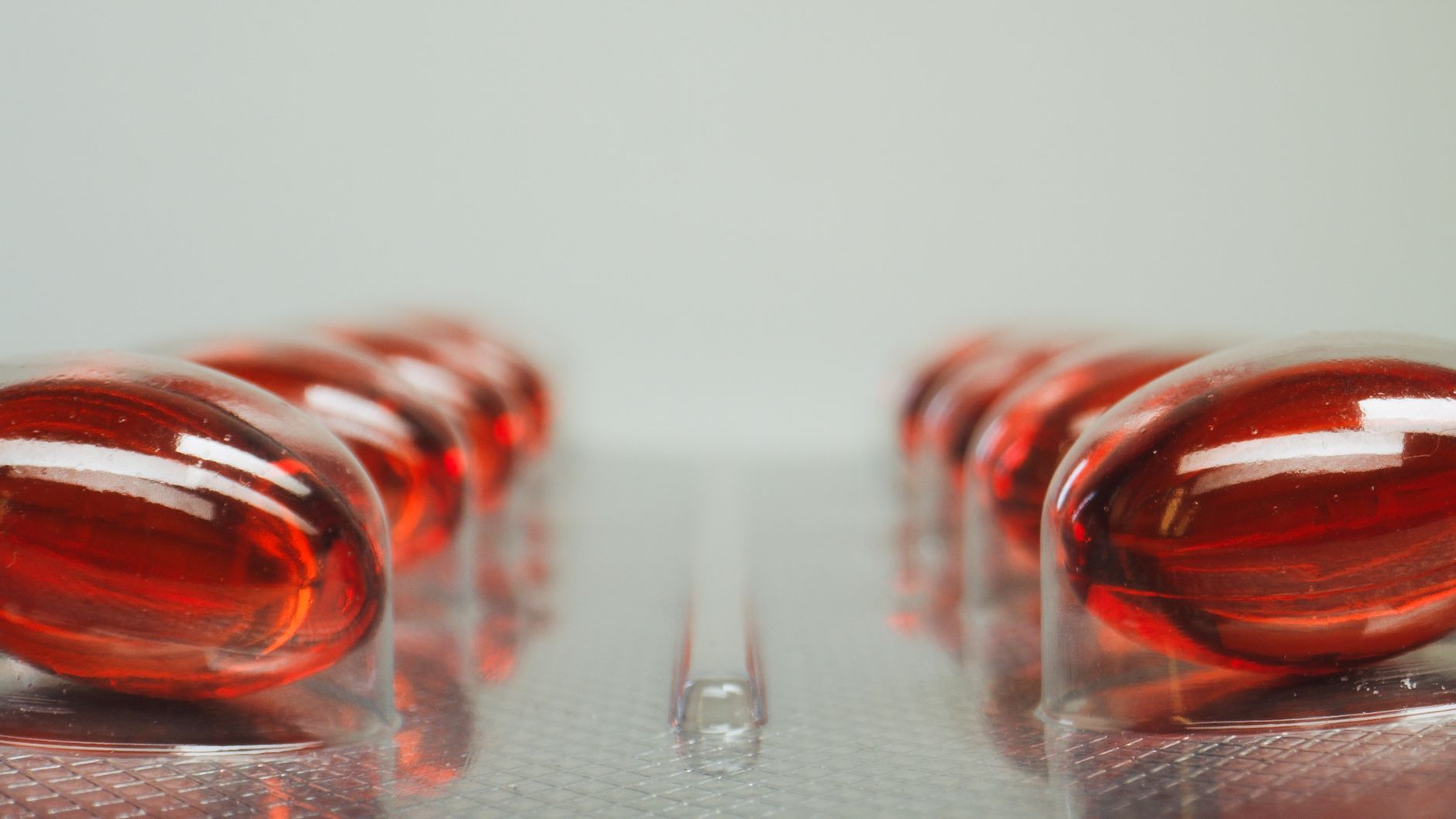
Many people have heard of vitamin C or vitamin E when it comes to antioxidants, but astaxanthin rarely makes it into everyday conversations. This red-orange pigment is the reason wild salmon, shrimp and krill have such vibrant colors, and it belongs to the carotenoid family that also includes beta-carotene and lutein. Researchers have been paying increasing attention to astaxanthin because of its strong ability to interact with free radicals and oxidative stress in the body, yet the general public often only encounters it as a small line on a supplement label. For readers who are curious about what sets this compound apart, understanding its origins, mechanisms and current evidence can make product labels and nutrition claims much easier to interpret.
What exactly is astaxanthin?
Astaxanthin is a fat-soluble carotenoid primarily produced by certain microalgae, such as Haematococcus pluvialis, and then accumulated up the food chain in marine organisms like salmon, trout, shrimp and krill. Chemically, it is classified as a keto-carotenoid, which gives it a slightly different structure compared with more familiar carotenoids like beta-carotene. That structure allows astaxanthin to span cell membranes, with one end interacting with the watery environment outside the cell and the other embedded in the fatty interior. In nature, this molecule not only provides color but also helps organisms cope with intense light, high salinity or other environmental stressors. When humans consume astaxanthin from food or supplements, that same structure is the basis for its role as an antioxidant in biological membranes.
Why is its antioxidant capacity considered special?
In many articles, astaxanthin is described as having particularly strong antioxidant properties compared with some vitamins and other carotenoids, which has led to it being called a "super" antioxidant in popular media. Laboratory assays suggest that it can interact with singlet oxygen and various free radicals efficiently, and its ability to sit across cell membranes means it can act both at the surface and within lipid layers. This is different from water-soluble antioxidants such as vitamin C, which usually stay in the aqueous parts of the body, or vitamin E, which resides mainly within the fatty regions. Of course, test-tube results do not automatically translate into identical effects in humans, but they do explain why scientists view astaxanthin as notable when studying oxidative stress. Readers can think of it as one piece in a larger antioxidant network, rather than a magic bullet that acts alone.
How does astaxanthin relate to oxidative stress and free radicals?
Oxidative stress describes a situation where reactive molecules, often called free radicals, outnumber or overwhelm the available antioxidant defences. Everyday factors such as intense exercise, exposure to ultraviolet light, air pollution, smoking and certain metabolic processes can all contribute to this imbalance. Astaxanthin belongs to the group of antioxidants that can interact with these reactive species, limiting their ability to damage lipids, proteins or DNA. Because it is fat-soluble and associates with cell membranes and lipoproteins, its activity is often discussed in the context of tissues rich in lipids, such as skin, the retina and the nervous system. Current human studies are still evolving, and results vary in strength, so it is more accurate to describe astaxanthin as a potentially useful antioxidant within a broader lifestyle approach, including balanced diet, sleep and other habits, rather than as a standalone solution.
Food sources and typical intakes in daily life
From a dietary perspective, astaxanthin appears mainly in marine foods, especially wild or certain farmed salmon, trout, shrimp, crab and krill. The reddish hue of these foods is a visual clue that carotenoids are present, although the actual amount of astaxanthin can differ depending on species, feed and habitat. People who regularly eat fatty fish and shellfish may already consume small amounts of this carotenoid without realizing it. For those who follow plant-based diets, microalgae-derived products are the primary direct source, since common fruits and vegetables usually contain other carotenoids instead. Because it is fat-soluble, eating these foods together with some dietary fat generally supports absorption. At the same time, relying entirely on one compound is not necessary, since a varied diet naturally provides a mixture of antioxidants with complementary roles.
Supplements: forms, doses and label reading
Astaxanthin is also widely available as a dietary supplement, either as stand-alone capsules or combined with other nutrients such as omega-3 oils, lutein or vitamins. Commercial products often use astaxanthin extracted from microalgae or produced through controlled fermentation, and both approaches have been studied in safety assessments. Typical supplement doses in research range from a few milligrams per day over several weeks to somewhat higher amounts under supervision, but labels on retail products usually provide more conservative daily portions. Because regulations and product quality can differ between countries, careful readers often check for third-party testing marks, ingredient origin and total carotenoid content on the package. As with any supplement, people with medical conditions, those who are pregnant or breastfeeding, and individuals taking regular medications are generally advised to discuss usage with healthcare professionals before starting.
What does current research say about potential benefits?
Scientific interest in astaxanthin has covered diverse topics such as skin appearance after UV exposure, visual comfort in people who spend long hours using screens, exercise performance and markers of oxidative status in blood. Small to medium-sized human trials have reported various outcomes, for example changes in skin moisture or elasticity scores, perceived eye fatigue, or laboratory markers linked to oxidative processes. However, study designs, doses and participant characteristics differ considerably, and not all studies find the same magnitude of effect. Because of this, experts usually describe the evidence as encouraging but still developing, rather than definitive. For readers, it is useful to treat headlines about single nutrients with caution and view astaxanthin as one factor that may support general wellness when combined with other habits, not as a treatment for any diagnosed disease. For health conditions, individual evaluation by qualified professionals remains essential.
Safety, side notes and who might consider it
Available safety data so far suggest that astaxanthin is generally well tolerated at commonly used dietary and supplemental intakes in healthy adults, with serious adverse effects reported rarely in research settings. Mild, temporary changes such as variations in stool color or skin tone have occasionally been mentioned when higher doses are used for extended periods, which reflects the pigment nature of the compound. People with shellfish allergies sometimes wonder about astaxanthin, but the pigment itself is different from the proteins that typically trigger allergic reactions; nonetheless, checking product sources and discussing concerns with a clinician is a prudent step. Individuals interested in skin appearance under sun exposure, long hours of digital device use, or an overall antioxidant-focused lifestyle are among those who frequently look into this nutrient. Even so, no supplement can replace sunscreen, balanced meals, movement and adequate rest.
Practical takeaways and when to seek professional advice
For readers trying to decide whether astaxanthin deserves a place in their routine, a practical approach starts with reviewing overall habits: diet diversity, sleep, stress management and the use of tobacco or alcohol. If these foundations are in reasonable shape, and there is curiosity about adding a targeted antioxidant, astaxanthin from seafood or microalgae-based products can be one option to explore. Paying attention to label transparency, realistic marketing claims and personal budget can help keep expectations grounded. Because information in this area evolves and responses differ between individuals, this article is intended for general education and does not replace medical or nutritional consultation. Anyone with chronic health conditions, those taking long-term medication or considering higher supplement doses should seek personalised advice from healthcare professionals before making changes.