
When temperatures climb and humidity rises, many people reach for an ice-cold drink to feel refreshed, but not every beverage supports hydration and electrolyte balance in the same way. In hot weather, the body loses water and minerals through sweat, and relying only on sugary sodas or very sweet tea can leave people feeling even more sluggish later in the day. This article focuses on everyday strategies to stay cool in summer while keeping fluids and electrolytes in a reasonable range, using common drinks, simple kitchen ingredients, and small habit changes. The information is for general wellness and does not replace advice from medical professionals; anyone with chronic conditions or on regular medication should discuss personal needs with a doctor or dietitian.
Understanding summer hydration and electrolytes
On hot days, the body uses sweating as a natural cooling mechanism, and along with water, sweat carries minerals such as sodium, potassium, magnesium and calcium. These minerals are often grouped under the term electrolytes, because they help support fluid balance, nerve signaling and muscle contractions in normal conditions. When outdoor temperatures are high, daily routines like walking to work, commuting on crowded trains, or doing household chores can lead to noticeable fluid loss, even without formal exercise. People may also drink less water than they think, especially when they are busy or rely mainly on coffee and sweet drinks, which can contribute to a feeling of heaviness, fatigue or dry mouth. Being aware of personal sweating patterns, the length of time spent outdoors and the local climate can help individuals choose appropriate drinks and amounts across the day.
Plain water, timing, and how much to drink
Plain water remains a simple, widely available choice for daily hydration in summer, yet timing and drinking style matter almost as much as total volume. Many public health recommendations suggest drinking at regular intervals rather than waiting until feeling intensely thirsty, because strong thirst may indicate that the body has already lost a noticeable amount of fluid. For people who know they will be outside in the heat, such as commuters, outdoor workers or those going to a weekend sports event, having some water in the hour before going out and then sipping regularly can be more comfortable than drinking a large amount all at once. During light activities of less than an hour, water is usually adequate for most healthy adults, and choosing water or unsweetened tea instead of heavily sweetened drinks can reduce unnecessary sugar intake, which is often linked to weight gain and energy swings according to many nutrition guidelines. Listening to the body’s signals, checking the color of urine and considering factors such as body size and activity level can support personalized decisions about daily water intake.
When sports drinks and electrolytes make sense
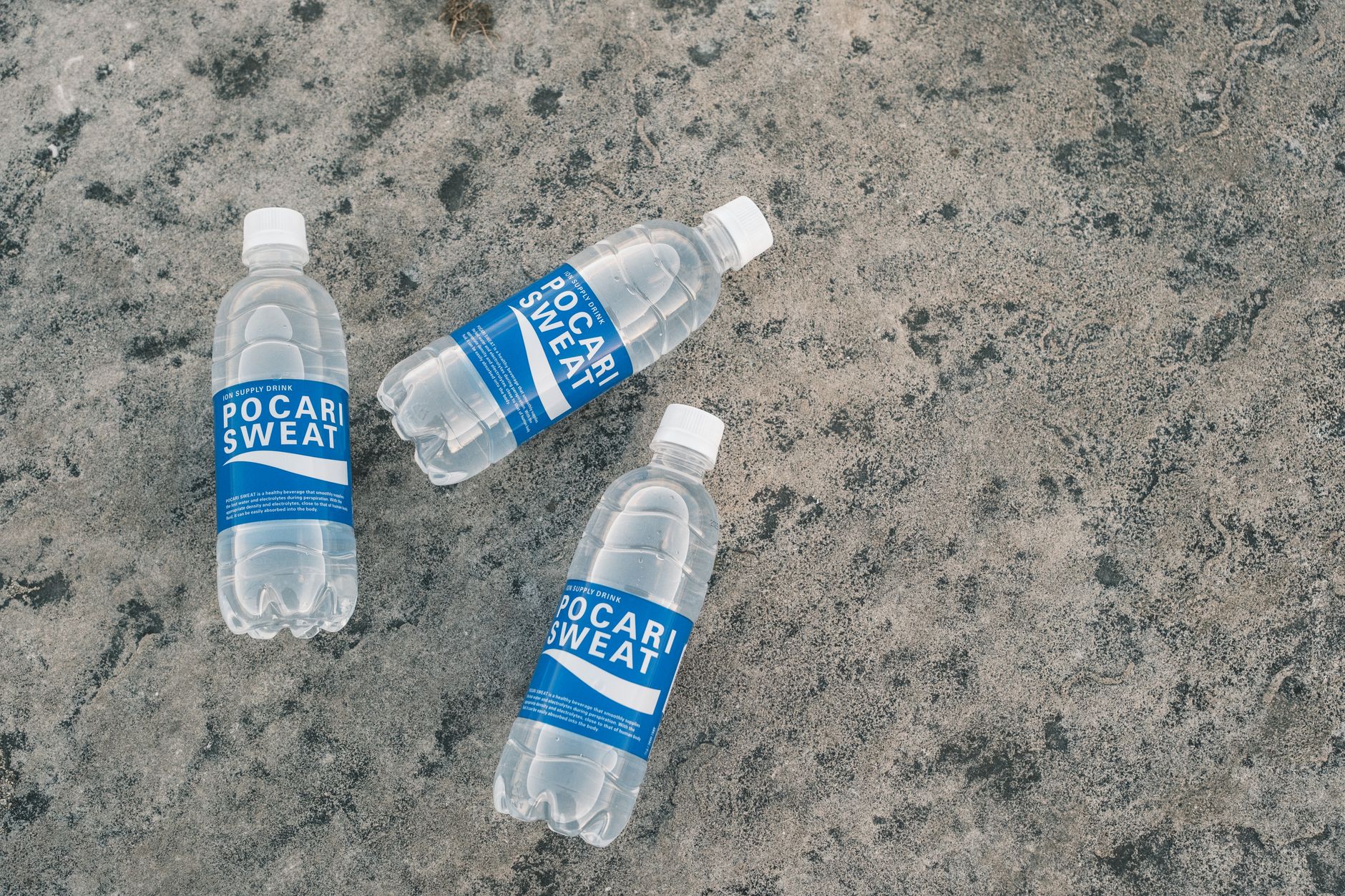
Sports drinks and electrolyte beverages are widely marketed in summer, but they are not necessary for everyone or every situation. These drinks typically contain water, minerals like sodium and potassium, and varying amounts of carbohydrates, usually in the form of sugar. They may be useful for people who engage in longer or more intense activities in hot and humid conditions, such as running for more than an hour, playing outdoor football or tennis, or cycling over long distances. In those situations, both fluid and electrolyte losses can be substantial, and a drink with moderate amounts of minerals and carbohydrates may feel easier to tolerate than plain water alone. However, for routine office days, short walks or light household tasks, regularly choosing sports drinks instead of water can lead to higher sugar intake than intended, so it is worth reading labels, comparing sugar content and considering low-sugar or reduced-sugar versions when needed.
Natural cooling drinks: tea, fruits and simple infusions
For people who enjoy more flavor than plain water but wish to avoid sugary soft drinks, natural cooling drinks can be a pleasant middle ground. Unsweetened herbal teas served chilled, such as mint, barley or hibiscus teas, are popular in many regions during hot months and can provide a refreshing alternative while contributing to fluid intake. Fruit-infused water is another option: slices of lemon, orange, cucumber or berries added to a jug of cold water can create gentle flavor without large amounts of sugar, especially when the fruit is removed after a short time rather than eaten. Some people also like to prepare lightly salted lemon water or a diluted mix of fruit juice with a pinch of salt on particularly hot days, which can add small amounts of electrolytes without the intensity of commercial sports drinks. Individual tastes, cultural traditions and access to ingredients will shape the most practical choices, and experimenting with different combinations can make it easier to drink enough throughout the day.
Coconut water and fruits as gentle electrolyte sources
Coconut water and various fruits are often mentioned as natural sources of electrolytes, especially potassium, though exact amounts vary by variety and serving size. Chilled coconut water is commonly consumed in tropical and subtropical regions during summer, and many people appreciate its light sweetness and mineral content compared with highly sweetened beverages. Fresh fruits such as watermelon, oranges, kiwi and bananas contain both water and minerals, so including them in snacks or light meals can contribute to overall fluid and nutrient intake. Instead of thinking of any single fruit as a magic solution, it is generally more sustainable to enjoy a mix of seasonal produce across the week, paired with adequate water. People who need to monitor their potassium or sodium intake for medical reasons should align fruit and coconut water choices with guidance from their healthcare provider.
Simple homemade electrolyte-style drinks
For those who prefer to control ingredients, homemade electrolyte-style drinks can be prepared in a home kitchen using basic items like water, citrus, a small amount of sugar or honey, and a pinch of salt. A common pattern is to combine water with lemon or lime juice, add a modest amount of sweetener for taste and energy, and include a small pinch of table salt to supply sodium. Some people add a splash of orange juice for extra flavor or a bit of potassium, or include a small amount of crushed fruit such as berries for color and variety. These mixtures are usually milder in flavor and sugar than many commercial drinks, and the recipe can be adjusted based on activity level, weather and personal preference. Anyone with specific dietary restrictions, such as low-sodium or controlled-carbohydrate plans, should adapt ingredients accordingly and consult professionals when in doubt.
Office, travel and high-risk groups in hot weather
Not only athletes need to think about fluids and electrolytes; busy office workers, students and travelers also face challenges during heat waves. Air-conditioned environments can mask thirst, leading people to consume mostly coffee, tea or energy drinks while overlooking plain water. Carrying a reusable bottle, setting reminders and choosing unsweetened or lightly sweetened beverages during meetings can make it easier to maintain a comfortable fluid intake across a long day. Certain groups, such as older adults, young children, pregnant individuals and people who work outdoors, may be more sensitive to heat and may not always notice early signs of fluid loss. For these groups, family members, caregivers and employers can create supportive routines, such as scheduled water breaks and easy access to cool, safe drinks.
Practical tips and safety reminders
Balancing hydration and electrolytes in summer does not require complex products; it mainly depends on consistent habits and thoughtful drink choices. On typical days with light activities, most healthy adults can rely on water, unsweetened teas and regular meals containing fruits and vegetables to keep fluids and minerals in a reasonable range. For longer or more intense efforts in hot environments, sports drinks or well-planned homemade mixtures may be used in moderation, paying attention to sugar content and personal comfort. Health information in this article is for general reference only and does not replace personalized advice from doctors, dietitians or other licensed professionals. Anyone who experiences concerning symptoms in the heat, such as dizziness, confusion, severe fatigue or persistent nausea, should seek prompt medical assessment rather than relying solely on beverages or home strategies.