
Why winter makes hands and feet feel colder
Cold hands and feet are a common winter complaint because the body naturally prioritizes core warmth when temperatures drop. That means circulation to the fingers and toes can feel less active, especially after long hours of sitting, low activity, or exposure to cold indoor air. For many people, the issue shows up first as stiff toes in the morning, icy fingertips at a desk, or feet that stay cold even under a blanket. The goal of daily care is not to chase one instant fix, but to build a routine that supports comfort through the whole day.
Start with warmth where the body loses it fastest
Clothing strategy matters more than many people expect. A warm core often makes the hands and feet feel less cold, so layered clothing, insulated socks, and protection around the waist and ankles are useful first steps. People who commute early, work in air-conditioned spaces, or spend long periods near windows often notice that thin socks and exposed ankles make the cold feel sharper. Simple changes such as keeping a spare pair of socks at work, choosing breathable thermal fabrics, and avoiding damp shoes after rain can make winter days feel much more manageable.
Use movement to wake up circulation
Gentle movement is one of the most practical habits for winter comfort because stillness often makes coldness feel worse. A short routine of ankle circles, calf raises, shoulder rolls, or brisk walking can be done between meetings or after waking up. Office workers, drivers, and students who sit for long stretches are especially likely to benefit from scheduled movement breaks. The point is consistency rather than intensity: a few minutes at a time can fit into a busy schedule and create a more active daily rhythm.
Make bathing and foot care part of the evening routine
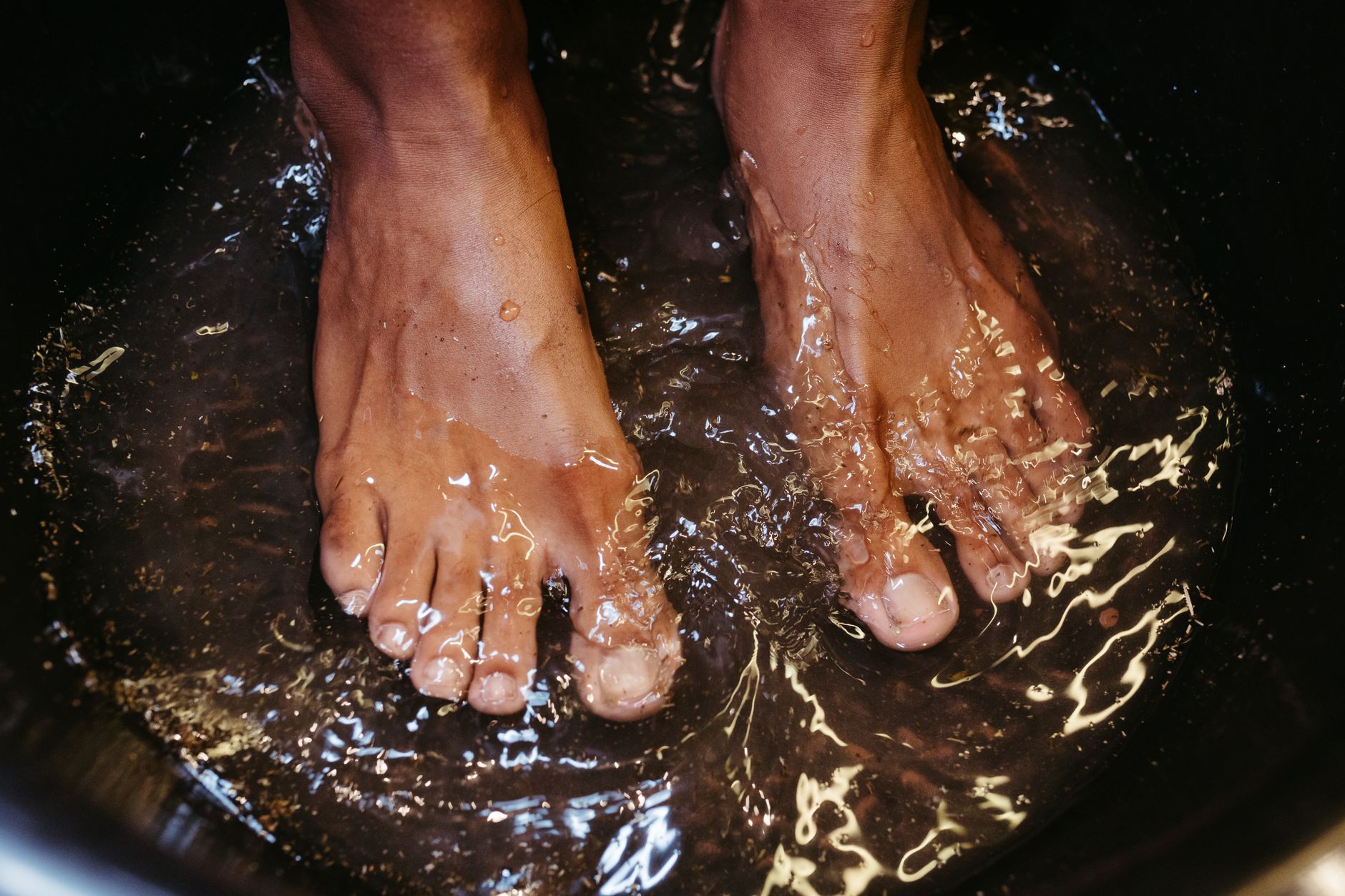
Warm showers, foot soaks, or a bath before bed are popular because they create a clear transition from a cold day to a more relaxed evening. A comfortable warm-water routine can also be paired with drying the feet thoroughly, changing into warm socks, and resting the legs for a few minutes afterward. People who are on their feet all day, wear dress shoes, or experience winter dryness often find that evening foot care feels especially satisfying. This is also a good time to keep the water warm rather than hot, and to avoid rushing the routine.
Rethink winter meals and daily habits
Winter routines are not only about heat from the outside. Skipping meals, relying on cold drinks, or going too long without water can make the day feel less steady, especially for people with busy schedules. Many readers search for winter comfort foods, but the more useful pattern is balance: regular meals, enough protein, and warm drinks that suit the season. Light soups, oatmeal, ginger tea, and cooked vegetables are common examples in many households. Sleep, stress, and late-night screen time also matter because tiredness often makes cold sensations more noticeable.
A simple routine is easier to keep
The most sustainable winter circulation routine is usually the one that fits real life. A person might wear warmer socks in the morning, walk for ten minutes after lunch, soak the feet before bed, and keep a backup layer in a bag or drawer. That combination is more realistic than trying to change everything at once. If cold hands and feet are new, severe, one-sided, or accompanied by pain, numbness, or other health concerns, it is sensible to speak with a medical professional. For everyday winter comfort, small repeated habits often matter more than dramatic changes.