
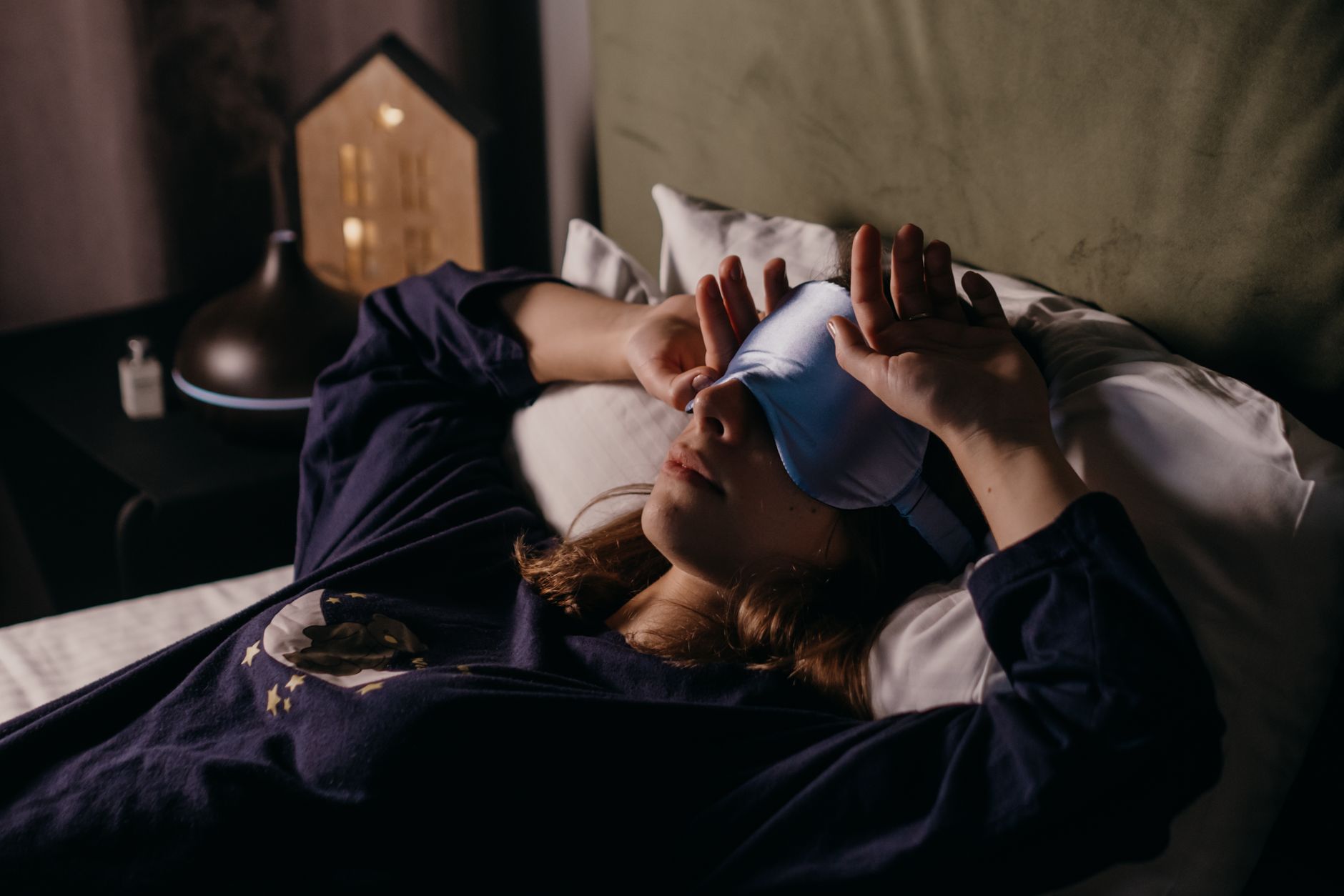
Feeling wired at night after a long, stressful day is a common experience, especially for people juggling work, family, and an always‑online lifestyle. When the mind keeps replaying emails, conversations, or upcoming deadlines, the body may be physically tired but still unable to ease into sleep. Instead of aiming for instant fixes, it is often more realistic to build a set of gentle sleep care habits that gradually tell the nervous system it is safe to rest. This article explores practical ideas around routines, environment, breathing, mindfulness, and daily choices, with a focus on small, doable steps rather than strict rules. Content is for general information only and does not replace advice from health professionals.
Understanding how stress and sleep interact
Stress and sleep are tightly connected: when stress stays high, the body remains in a “ready to fight or react” mode, making it harder to fall asleep or stay asleep through the night. Many office workers notice that during busy periods they fall asleep later, wake up earlier than planned, or wake in the night with their minds racing. Research in sleep medicine has described this pattern as a kind of learned hyper‑arousal, where the brain associates bedtime with worry and overthinking rather than rest. Recognizing this pattern is already a first step in sleep care, because it shifts the focus from blaming oneself for “sleeping badly” to observing how daily stress shows up at night. From there, a realistic goal can be to create a more predictable, soothing wind‑down period so that the brain gradually stops linking bedtime to pressure.
Building an evening wind-down routine
A consistent evening routine can act like a personal “bridge” between a demanding day and a calmer night. About 60 to 90 minutes before the intended bedtime, many experts suggest gently slowing down activities: dimming lights, lowering the volume of conversations, and closing work apps or email. Simple rituals such as a warm shower, light stretching, quiet reading, or listening to soft music can signal that the day is ending without forcing sleep to arrive on command. Some people like to keep a small notebook to write down worries, to‑do lists, or ideas for tomorrow so that those thoughts do not keep circling in bed. The key is not perfection but repetition: doing similar relaxing activities around the same time each night helps the body learn what comes next.
Creating a calm and supportive sleep environment
The bedroom often reflects daily habits: piles of documents, bright screens, or noisy devices can keep the brain in “daytime mode” even late at night. Sleep specialists frequently highlight three elements of a supportive sleep environment: light, sound, and temperature. Darkening the room with curtains or an eye mask, keeping noise low with earplugs or a fan, and maintaining a slightly cool but comfortable temperature all make it easier for the body to wind down. It can also help to reserve the bed mainly for sleep and intimacy, rather than for working, scrolling, or long phone calls, so that the brain builds a stronger association between bed and rest. For people with very limited space, even small gestures like designating a “no‑laptop zone” on the bed or folding away work items at night can create a subtle but meaningful boundary.
Breathing and relaxation techniques for a tense body
When stress is high, the body often feels tight: shoulders creep up, jaw muscles clench, and breathing becomes shallow without being noticed. Gentle breathing and relaxation practices can help shift attention from spiraling thoughts back into physical sensations, which many people describe as grounding. One widely shared pattern is slow breathing, such as inhaling through the nose for a count of four, briefly holding the breath, then exhaling through the mouth for a longer count, repeated several times in a comfortable position. Others find progressive muscle relaxation useful, slowly tensing and then releasing muscle groups from the toes up to the face while lying in bed or sitting on a chair. These practices are not competitions; the goal is not perfect technique but giving the nervous system repeated chances to experience what calmer breathing and looser muscles feel like.
Mindfulness, journaling, and mental buffers
Mental rest is just as important as physical rest, and many stressed sleepers notice that their thoughts speed up exactly when they lie down. Creating a buffer zone before bed, where worries are acknowledged instead of pushed away, can reduce the chance that they surge back in the dark. Mindfulness exercises, such as paying attention to the sensation of breathing, listening carefully to ambient sounds, or scanning the body from head to toe, can anchor attention in the present moment. Some people prefer expressive journaling, where they write freely about the day, frustrations, or gratitude, then close the notebook as a symbolic pause until morning. If difficult emotions or anxious thoughts feel overwhelming or persistent, it is important to consider talking with a mental health or medical professional rather than trying to handle everything alone.
Food, drinks, and gentle movement across the day
Daytime choices can strongly shape how the night feels, even though the effect is easy to overlook. Many sleep guidelines advise keeping caffeine intake moderate and avoiding coffee, strong tea, or energy drinks in the late afternoon and evening, because they can stay in the body for several hours. Heavy, late dinners or large amounts of spicy and greasy food close to bedtime may leave the body busy with digestion when it would otherwise be settling down. A lighter evening meal and, if needed, a small snack containing both carbohydrates and some protein, such as yogurt with oats or toast with nut butter, may feel more comfortable for some people. Regular, moderate physical activity during the day, even simple walks or short home routines, is also linked in many studies with more satisfying sleep, as long as intense exercise is not scheduled too close to bedtime.
When to seek professional support
Gentle self‑care for sleep can make evenings feel more manageable, but it is not a substitute for medical attention when needed. If difficulty sleeping persists for several weeks, affects daytime concentration, mood, or safety, or is accompanied by symptoms such as loud snoring, breathing pauses, strong anxiety, or low mood, professional evaluation is important. Health professionals can explore medical conditions, medications, and psychological factors that may be influencing sleep and suggest appropriate options. In some cases, structured approaches like cognitive behavioural therapy for insomnia, which has been studied in various countries, are recommended as a first‑line treatment. Any information in this article is intended as general guidance, not diagnosis or treatment, and readers are encouraged to consult doctors or qualified specialists for personal concerns.
Bringing sleep care into everyday life
Sleep care is not about never feeling tired or stressed again; it is about building kinder routines around those realities. For people living with long commutes, demanding work, or caregiving responsibilities, even small adjustments—like a consistent wind‑down ritual, a darker bedroom, or five minutes of slow breathing—can gradually shift the tone of the night. It may help to focus on one or two changes at a time, observe how they feel for a couple of weeks, and adjust without harsh self‑judgment. Over time, these small decisions become signals of self‑respect: the message to the body is that rest is not a luxury reserved for vacations, but a regular part of daily life. As with all health‑related topics, the ideas shared here are for reference and may not suit everyone, so personal experimentation and professional guidance both have a place in sustainable sleep care.