
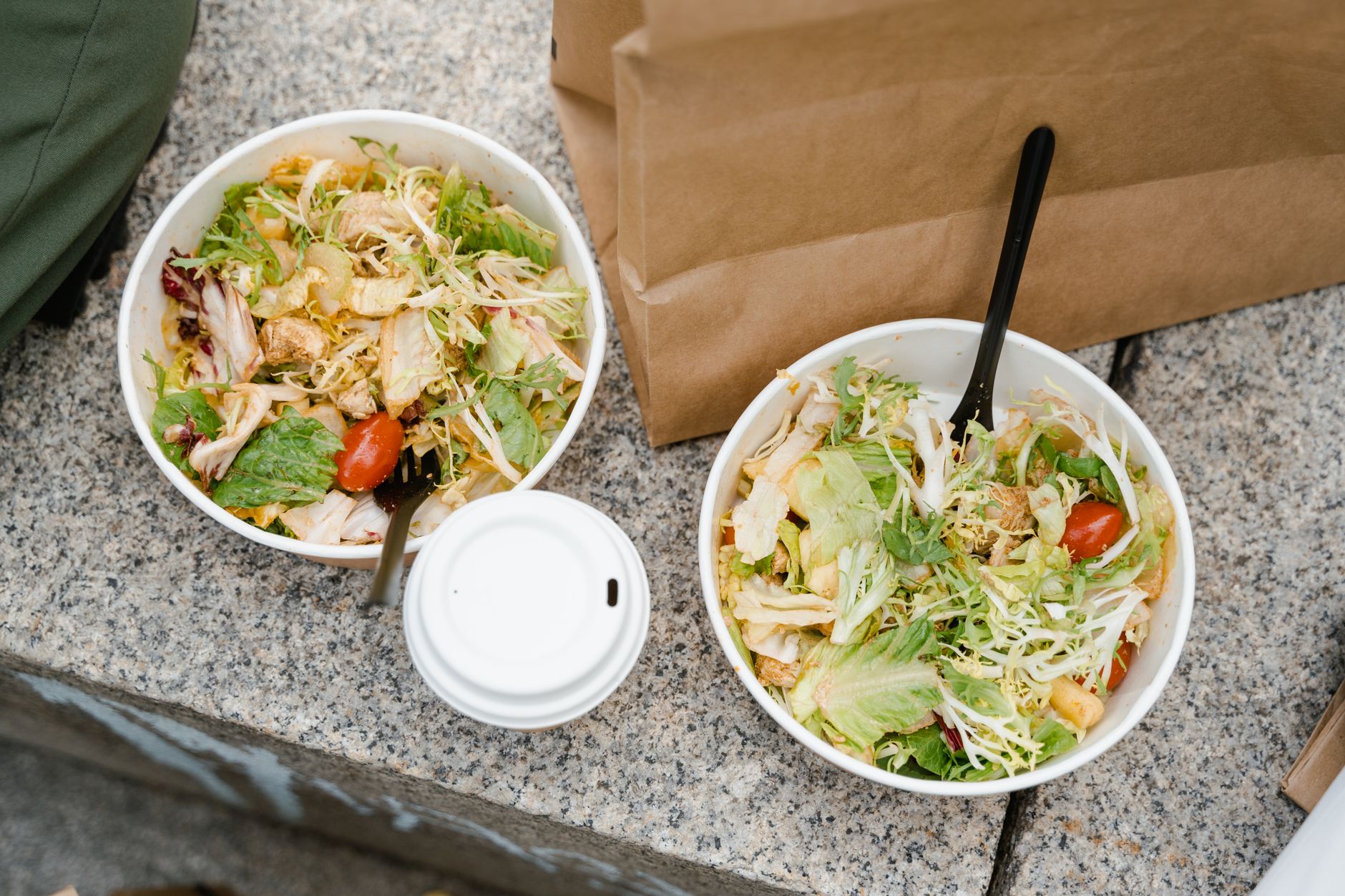
Many people who rely on restaurants, convenience stores or takeout feel that they are eating enough calories, yet still feel tired, lose focus easily or notice changes in skin and digestion. The reason is often not how much food is eaten but what is missing in those meals. Typical eating out patterns tend to be high in refined carbs, fat, sugar and sodium, while falling short on vegetables, fruit, dietary fiber and several key vitamins and minerals. This article looks at what is commonly lacking when eating out frequently, and offers practical ways to fill those nutrient gaps through smarter choices and simple add‑ons, without requiring complicated cooking skills.
Common nutrient gaps in frequent eating out
Restaurant and takeout meals often prioritize flavor, cost and convenience, which makes it easy to overlook micronutrients. Surveys in many countries indicate that people who eat out frequently are more likely to fall short on vitamin D, vitamin C, vitamin E, calcium, magnesium, zinc, omega‑3 fats and dietary fiber. Portions of vegetables and fruit are usually small compared with the amount of rice, noodles or bread, and cooking methods such as deep‑frying or heavy stir‑frying can degrade heat‑sensitive vitamins. Sweetened drinks and desserts easily push sugar and energy intake up, yet do not add much in terms of vitamins or minerals. Over time, this pattern can be linked with fatigue, reduced concentration, and unwanted changes in body composition, even when body weight does not change dramatically.
Rethinking the main dish: carbs, protein and cooking methods
When people are hungry and in a rush, the quickest option often becomes a bowl of noodles, a large sandwich or a big portion of white rice. These choices give fast energy but may lack protein and fiber, so energy levels can swing up and down through the day. A more balanced plate, even when eating out, usually starts with a modest portion of whole grains or starch, paired with a palm‑sized portion of protein such as fish, chicken, eggs, tofu or beans. Choosing steamed, grilled, boiled or lightly stir‑fried dishes instead of deep‑fried options can help reduce excess fat and preserve more nutrients. For example, swapping fried chicken with grilled chicken, or creamy pasta with tomato‑based or oil‑based pasta containing vegetables and seafood, can already recreate a more nutrient‑dense main dish.
Vegetables and fiber: the most common missing pieces
For many office workers and students, the real gap is not protein but vegetables and dietary fiber. Convenience meals often include just a token salad leaf or a few pieces of pickled vegetables, far from the amounts suggested in most dietary guidelines. A practical approach is to make vegetables a non‑negotiable part of each meal when possible. This could mean adding a side salad without heavy dressing, ordering extra stir‑fried or steamed greens, or choosing rice bowls that include mixed vegetables instead of only meat and sauce. Whole‑grain options such as brown rice, multigrain rice, whole‑wheat bread or noodle dishes that include vegetables can further raise fiber intake. Over a week, these small adjustments can gradually bring total fiber intake closer to recommended ranges.
Filling vitamin and mineral gaps in a busy schedule
Micronutrients are harder to spot than the main components of a meal, yet they matter just as much. When eating out, fruit is one of the simplest ways to bring in vitamin C, potassium and various plant compounds. Many people find it convenient to keep easy‑to‑carry options like bananas, mandarins, apples or small grape tomatoes at their desk or in a bag and have them as snacks between meals. Dairy products or calcium‑fortified alternatives can supply calcium and some vitamin D when chosen as part of breakfast or a snack. Nuts and seeds in small handful portions offer magnesium, vitamin E and healthy fats, and can be used to upgrade an otherwise simple sandwich or salad. For those who rarely eat fish, especially oily fish, consciously adding fish dishes to the weekly rotation or considering other food sources of omega‑3 fats can also help close a common gap.
Smart ordering strategies at restaurants and convenience stores
Even when menu options feel limited, there are ways to design a more balanced combination. At quick‑service restaurants, one useful rule is to build a set meal around three elements: a protein source, at least one generous portion of vegetables, and a reasonable serving of whole or minimally processed starch. This might look like a grilled fish bento with extra vegetables instead of more rice, or a soup‑based noodle bowl with added greens and tofu. At convenience stores, combining items can create a more complete meal: a rice ball or sandwich plus salad, yogurt or unsweetened soy milk, and a piece of fruit. Asking for less sauce, skipping sugary drinks in favor of water or unsweetened tea, and tasting food before adding extra salt are straightforward steps that many regular diners outside the home can adopt.
Role of supplements: when food is not quite enough
In real life, long work hours, travel or limited options may mean that even with careful choices, some nutrients remain challenging to obtain in sufficient amounts solely from eating out. In such situations, some people consider using supplements such as multivitamin tablets, vitamin D, calcium or omega‑3 products as a backup. These products are meant to complement, not replace, a varied diet, and their suitability depends on individual health status, existing intake and any medications. Before starting new supplements, especially in higher doses or when chronic health conditions are present, it is advisable to discuss plans with a doctor, pharmacist or registered dietitian. This can help avoid unnecessary overlap between products and ensure the chosen approach fits personal needs.
Building a long‑term mindset for frequent eating out
Frequent eating out does not automatically mean poor nutrition, but it does call for more conscious decision‑making. Instead of aiming for a flawless “perfect” meal every time, many people benefit from focusing on balancing across the whole day or week. If one meal is low in vegetables, the next meal can deliberately include more; if an afternoon includes sugary drinks, dinner can shift toward water and vegetable‑rich dishes. Planning simple backup items such as fruit, nuts or unsweetened dairy alternatives makes it easier to respond flexibly when restaurant choices are limited. Information in this article is intended for general education and does not replace personalized advice; anyone with specific health concerns is encouraged to consult qualified health professionals for tailored guidance.