
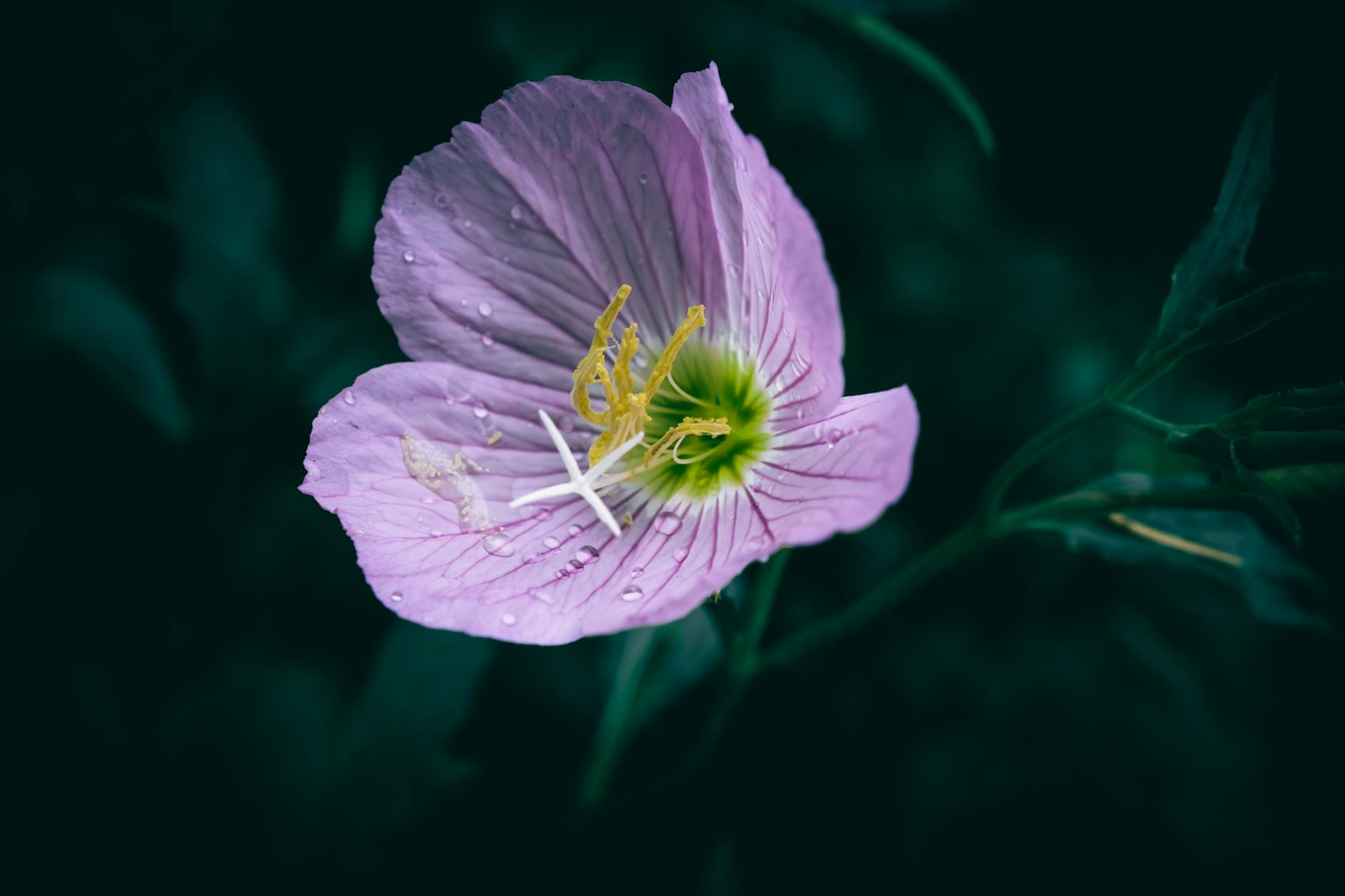
Many women start to notice body changes such as mood swings, breast tenderness or irregular cycles and begin to wonder whether hormones are out of balance. Among the natural ingredients frequently mentioned in this context, evening primrose oil often appears in conversations about hormone balance, PMS comfort and skin wellness. The key component of this oil, gamma-linolenic acid (GLA), has been studied for its role in prostaglandin pathways that are involved in many hormone-related processes, although findings are not always consistent across studies. This article looks at how evening primrose oil is discussed in relation to hormone balance, what current research suggests, practical lifestyle considerations and safety points worth knowing.
What is evening primrose oil and GLA?
Evening primrose oil is extracted from the seeds of the evening primrose plant and is naturally rich in omega-6 fatty acid GLA. GLA is a precursor for certain prostaglandins, which are hormone-like compounds that participate in regulating inflammation, vascular tone and various reproductive functions. Some researchers and practitioners therefore consider EPO a supportive nutrient in discussions of menstrual comfort and female hormone health, especially because typical modern diets may contain limited direct sources of GLA. However, it is important to remember that GLA is only one piece of a much larger hormonal puzzle that also involves genetics, stress, body weight, sleep and underlying medical conditions.
How evening primrose oil is linked to hormone balance
In many popular health resources, evening primrose oil is described as a supplement that may support hormone balance by providing GLA for prostaglandin synthesis. Certain Taiwanese and international articles mention that adequate prostaglandin production is involved in normal ovarian function and cyclical hormone changes, and EPO is sometimes included in protocols aimed at menstrual regularity and overall reproductive wellness. Some practitioners refer to EPO when discussing concerns such as irregular periods, breast discomfort around the cycle or perceived estrogen–progesterone imbalance, although evidence varies by symptom. It is more accurate to see EPO as one potential supportive factor within a broader lifestyle and medical approach rather than a stand-alone solution.
Research on PMS, cycles and life stages
Evening primrose oil has been most widely discussed in relation to PMS symptoms such as mood changes, bloating and breast tenderness. Some clinical reports and brand surveys suggest that a proportion of women feel more comfortable around their period after regular EPO intake, especially regarding cyclical breast tension, though study quality is mixed and placebo effects cannot be ruled out. EPO is also marketed for use during perimenopause and menopause, when shifting estrogen levels can coincide with hot sensations, sleep changes and cycle irregularity. In addition, articles on polycystic ovary syndrome (PCOS) sometimes mention a 12‑week intake of EPO in the context of antioxidant status and metabolic markers, but these findings apply to specific study conditions and do not mean EPO can treat PCOS. For any persistent or severe symptom, medical assessment remains essential.
Beyond hormones: skin, mood and metabolic context
Outside strictly hormonal topics, evening primrose oil is commonly associated with skin comfort and barrier support, especially for dryness or sensitive skin types, because GLA participates in the structure of cell membranes and the skin’s lipid layer. Some users and practitioners also talk about a perceived stabilizing effect on mood and overall well-being around the cycle, possibly tied to the way fatty acids are involved in neurotransmitter pathways, although research results are not uniform. EPO is sometimes grouped with lifestyle strategies used by people dealing with weight changes, busy work schedules or urban stress, where dietary fats, sleep hygiene and movement patterns all interact. It is helpful to view EPO as part of an overall pattern that includes whole-food fats, vegetables, stress management and appropriate medical care.
Dosage, forms and how to choose a product
Evening primrose oil usually comes in softgel capsules or bottled oil, with common daily amounts in commercial products ranging from a few hundred milligrams to around 1,000 mg of EPO, often standardized for GLA content. Some clinical protocols have used daily intakes around this range for several weeks, but appropriate dosage can vary by individual factors, age and concurrent medications. When choosing a product, many consumers look for clear labeling of GLA percentage, quality testing for oxidation and contaminants, and capsules that fit their swallowing comfort. It is also worth checking whether EPO is combined with other ingredients such as vitamin E, wild yam or probiotics, and considering whether these additional components fit one’s needs and medical history. Reading labels carefully and discussing options with a qualified professional can reduce confusion.
Safety, side effects and who should be cautious
For most generally healthy adults, moderate amounts of evening primrose oil are usually considered well tolerated, though mild digestive discomfort or soft stools may occur in some individuals. People who are pregnant, planning pregnancy, taking anticoagulant drugs, living with seizure disorders or managing chronic conditions should seek individual medical advice before using EPO, because fatty acids can interact with blood clotting, medications or neurological conditions. Individuals scheduled for surgery are often advised to inform their healthcare team about all supplements, including EPO. It is also important to remember that natural does not automatically mean risk‑free, and high doses or long-term unsupervised use are not advisable without professional guidance. Any unexpected symptom after starting EPO should prompt discontinuation and discussion with a clinician.
Lifestyle foundations for hormone balance
Evening primrose oil is only one element in the larger picture of female hormone balance, which is strongly influenced by nutrition, body composition, sleep, stress load and movement habits. Research-based guidelines for reproductive and metabolic health emphasize steady weight management, regular physical activity and balanced meals that include fiber, complex carbohydrates, adequate protein and healthy fats. Many women find it helpful to track cycles, note mood or energy changes and share these observations with healthcare professionals, who can then evaluate whether laboratory testing or treatment is needed. In this context, EPO may be considered as an optional adjunct for specific goals, but it cannot replace medical evaluation, prescribed therapies or major lifestyle adjustments where they are indicated.
When to consult a professional and how to use this information
Anyone facing ongoing irregular periods, significant pain, fertility concerns, sudden weight or hair changes, or intense mood shifts should consult a physician or qualified specialist rather than relying on supplements alone. This article is intended for general information only and does not provide medical diagnosis or treatment, nor does it recommend any brand or dosage for individual cases. Decisions about using evening primrose oil, changing diet or adjusting medications should be made together with a healthcare professional who can consider personal history, lab results and other therapies. By combining evidence-informed discussion of EPO with attention to sleep, stress, movement and medical care, readers can make more grounded choices about supporting hormone-related well-being at different life stages.