
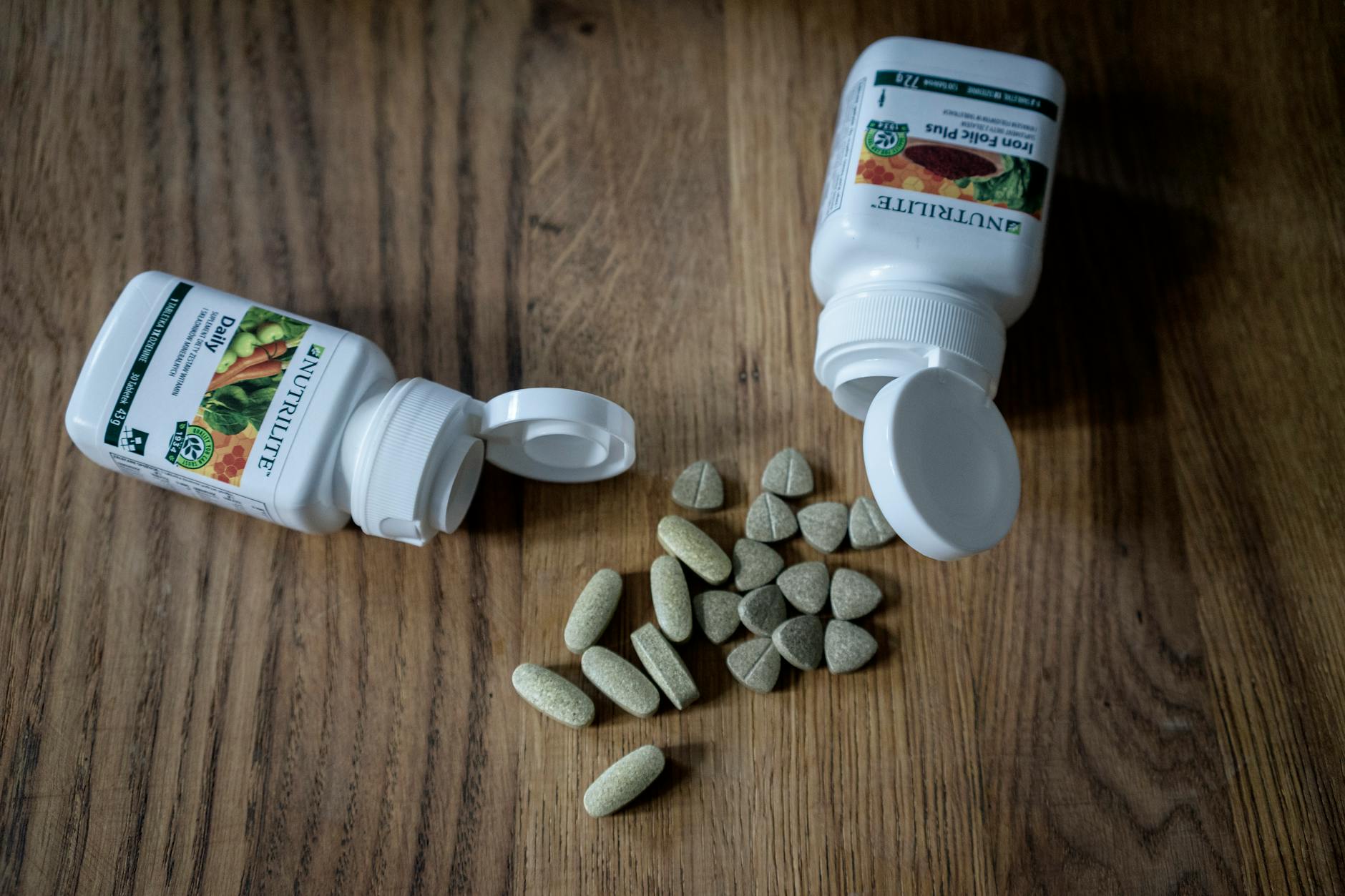
Iron deficiency is one of the most common nutrient-related issues worldwide, and many adults only notice it when fatigue, pale skin, or shortness of breath start to interfere with daily life. This guide focuses on what people should know before and while supplementing iron: how to recognise possible warning signs, how to adjust everyday meals, and what can influence iron absorption. It also outlines basic principles for using iron supplements more safely, and highlights situations where professional medical advice is especially important. The information here is for general education only and does not replace consultation with doctors or dietitians.
Recognising possible signs of iron deficiency
Iron plays a central role in making haemoglobin, the protein that carries oxygen in red blood cells, so low iron stores may be reflected in both physical performance and cognitive function. People often first notice unexplained tiredness, reduced exercise tolerance, or feeling out of breath when climbing stairs that used to feel easy. Some experience pale skin or inner eyelids, cold hands and feet, more frequent headaches, or difficulty concentrating at work or school. In more pronounced deficiency, there may be dizziness on standing, heart palpitations, or brittle nails and hair shedding. These signs can overlap with many other conditions, so blood tests such as haemoglobin and serum ferritin ordered by a healthcare professional are needed to clarify the situation.
Why iron needs vary between people
Daily iron needs are not the same for everyone, and understanding these differences helps people judge their risk level. Women of reproductive age generally have higher requirements due to menstrual blood loss, and needs increase further during pregnancy because of the growing baby and expanding blood volume. Teenagers, endurance athletes, and people who donate blood frequently also have relatively higher demands or losses. On the other hand, those who eat very little meat, follow vegan or strict vegetarian patterns, or often skip meals may take in less iron than their bodies require. Certain digestive conditions or surgeries affecting the stomach or small intestine can also reduce absorption, so people in these groups are often advised to discuss iron status with their doctors.
Food sources of iron: heme and non‑heme
From a nutrition perspective, iron in food appears in two main forms: heme iron from animal sources and non‑heme iron from plant sources. Heme iron, found in red meat, poultry, liver, and seafood such as clams or oysters, is generally absorbed more efficiently by the body. Non‑heme iron in beans, lentils, tofu, nuts, seeds, whole grains, and dark green vegetables is still valuable but more sensitive to other components in the same meal. People who rely mostly on plant-based diets can still meet their needs by planning meals that include a variety of these foods across the day. Combining modest portions of animal protein with plant sources in the same dish, such as beef with vegetables or tofu with leafy greens, is a common strategy used in many cuisines to increase total iron intake.
Everyday diet tips to support iron intake
Simple adjustments in daily eating habits can make a meaningful difference over time. Choosing iron-rich ingredients for main meals, such as lean beef, pork, chicken thighs, sardines, or eggs, builds a foundation for adequate intake. Adding plant sources like lentil soups, chickpea salads, edamame, pumpkin seeds, and spinach or kale side dishes further contributes to iron throughout the week. For breakfast, some people rotate iron-fortified cereals or wholegrain bread with nut spreads, while lunch and dinner might include stir-fries with dark leafy greens or bean-based stews. Rather than focusing on one single “super food,” consistently including a mix of animal and plant sources tends to be more sustainable for most households.
Nutrients and habits that affect iron absorption
Beyond the amount of iron in a meal, several other factors influence how much the body can use. Vitamin C is known to enhance the absorption of non‑heme iron, so pairing beans, whole grains, or vegetables with foods like citrus fruits, kiwifruit, berries, tomatoes, or bell peppers is a common practical tip. For example, a chickpea salad with lemon dressing or a tofu stir-fry with broccoli and red pepper can be both flavourful and absorption friendly. In contrast, substances such as phytates in some whole grains and legumes, and tannins in tea and coffee, can reduce iron uptake when consumed at the same time. Many clinicians therefore suggest spacing tea or coffee at least an hour away from iron-rich meals or supplements, especially in people who are already low in iron.
When and how iron supplements are considered
Dietary changes are the foundation, but in some cases doctors recommend iron supplements when blood tests show clear deficiency or iron deficiency anemia. These products typically contain ferrous iron salts in tablet, capsule, or liquid form, and dosing is tailored to the individual’s age, lab results, and overall health. Health professionals often review existing medications and conditions before starting supplements to reduce the risk of unwanted interactions. Because iron can accumulate in the body, self-prescribing high-dose products for long periods without testing is generally discouraged. For most people with confirmed deficiency, regular follow-up blood tests are used to monitor haemoglobin and iron stores, and the duration of supplementation is adjusted accordingly.
Practical tips for taking iron tablets more safely
People frequently have questions about the best way to take iron tablets and how to deal with potential discomfort. Many guidelines suggest that iron is absorbed better on an empty stomach, but taking it with a small amount of food may be more realistic for those who experience nausea or stomach upset. Vitamin C from a glass of orange juice or a separate supplement is sometimes used alongside oral iron, following a doctor’s advice. At the same time, healthcare providers often remind patients not to take iron at the same moment as calcium supplements, milk, tea, coffee, or high-fibre bran cereals, as these may reduce absorption. Common non-serious changes include darker stools or mild constipation, and any severe abdominal pain, vomiting, or black tarry stools should prompt prompt medical attention.
Safety considerations and when to see a doctor
Although iron is essential, taking more than the body needs can be harmful, so cautious use is important. Iron tablets should be stored safely out of children’s reach, as accidental ingestion can be dangerous for young children. Adults with chronic illnesses such as kidney disease, liver disease, inflammatory bowel disease, or those who already have high iron levels require especially careful evaluation before considering additional iron. Persistent fatigue, chest discomfort, very heavy menstrual bleeding, or blood in stool are warning signs that call for timely medical assessment rather than simply buying supplements. For most people, the safest path is to view this guide as educational background, use it to prepare questions, and then discuss personal needs, test results, and options with doctors or registered dietitians. All health information here is for reference only and should not be taken as a diagnosis or tailored treatment plan.