
Many women start hearing about soy isoflavones when they first encounter topics like irregular cycles, skin dullness, or menopausal discomfort. These plant compounds, naturally found in soybeans and related foods, are often discussed in relation to hormones, bone status, and appearance. Instead of treating them as a magical solution, it is more helpful to understand what they are, how they behave in the body, and how they can be arranged sensibly within daily diet and long‑term self‑care. With a clearer picture, women at different life stages can talk with professionals and make decisions that match their own health history, lifestyle, and personal priorities.
What soy isoflavones are and how they relate to estrogen
Soy isoflavones are a type of phytoestrogen, meaning plant‑derived compounds with a structure somewhat similar to human estrogen. Because of this similarity, they can bind to certain estrogen receptors in the body, yet their action is generally considered milder than endogenous hormones. Researchers often describe them as having selective or modulatory behavior rather than acting like a strong hormone replacement. In practical terms, this means their impact may vary depending on age, hormone levels, gut microbiota, and overall diet pattern. Many reviews emphasize that soy isoflavones should be seen as part of a dietary pattern rather than a standalone fix, and that individual responses can differ from person to person.
Natural food sources and how they fit into daily meals
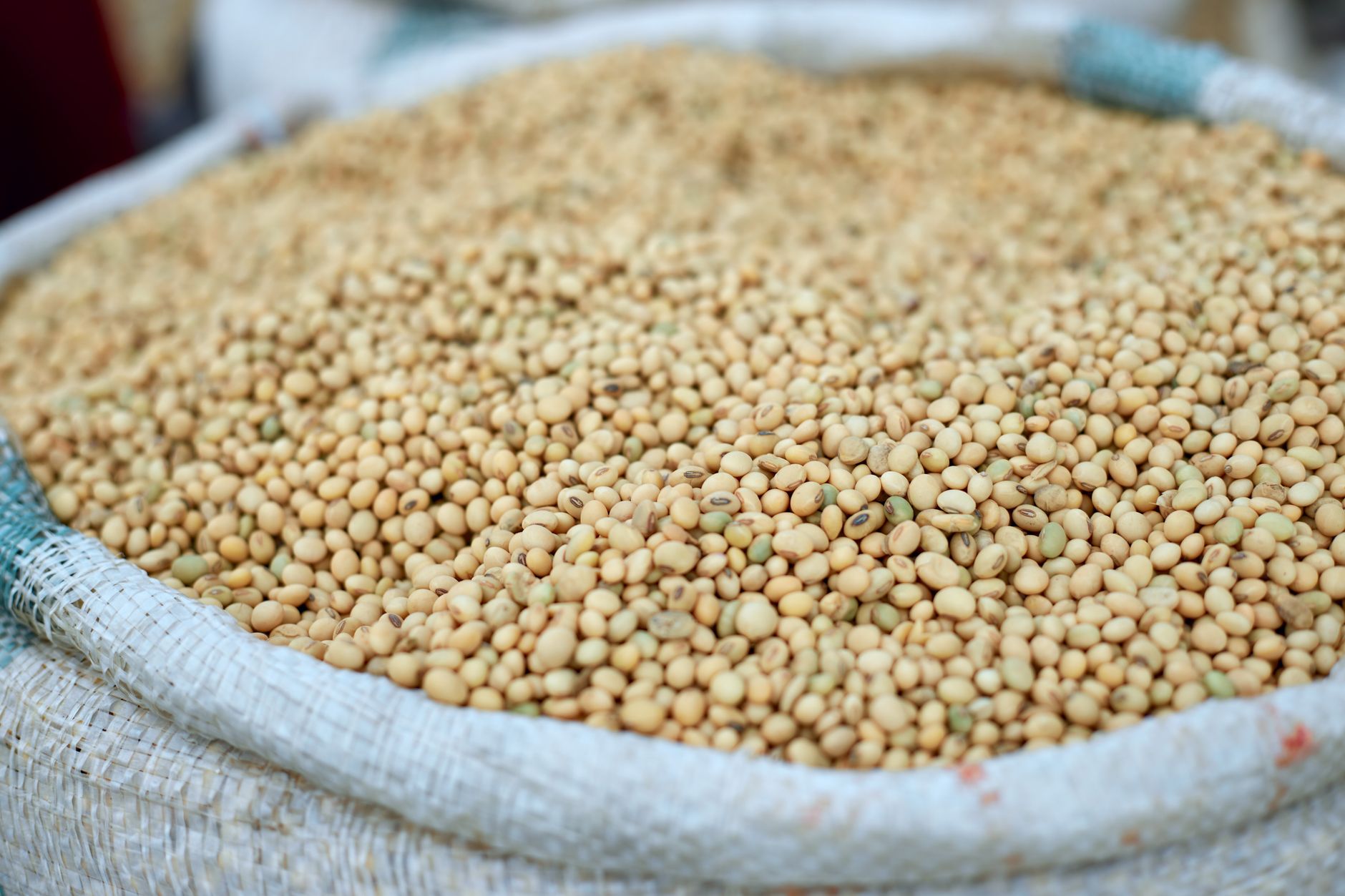
For most women, the first and safest way to encounter soy isoflavones is through soy foods such as tofu, tempeh, natto, miso, and soy milk. These foods not only contain isoflavones but also provide protein, fiber, and minerals that support overall dietary quality. A typical day might include a glass of unsweetened soy milk at breakfast, tofu in a stir‑fry or salad at lunch, and a small portion of miso or tempeh at dinner. Traditional cuisines in East Asia have long included these ingredients as everyday staples rather than special functional foods. Many nutrition organizations describe moderate intakes, such as one to two servings of soy foods per day, as reasonable for most adults, while reminding readers with hormone‑sensitive conditions to seek personalized advice before changing their intake.
Women’s life stages: from early adulthood to menopause
The value of soy isoflavones in women’s care is often discussed along a life‑course perspective. In early adulthood, soy foods can simply act as versatile protein options when building a balanced diet, particularly for those who eat less meat or follow plant‑forward patterns. As women approach their 40s and beyond, conversations more often turn to topics like skin texture, body composition, sleep quality, and hot sensations. Some observational and intervention studies suggest that diets containing soy may be associated with differences in comfort related to these experiences, although results are not identical across all trials. Because many other factors—stress, movement habits, sleep schedule, and cultural diet—also shape these outcomes, soy isoflavones are better viewed as one element within a broader lifestyle approach.
Menopause, comfort, and realistic expectations
Around menopause, fluctuating hormone levels can be accompanied by night warmth, sweating episodes, mood swings, and changes in tissue moisture. This is the phase where soy isoflavones receive the most attention in research and marketing. Some clinical studies report that certain doses of soy isoflavones or standardized extracts are associated with improvements in perceived heat episodes and overall comfort, while other studies show modest or unclear effects. Because study designs, durations, and formulations vary, experts usually avoid sweeping claims and instead describe soy isoflavones as a potential option for women seeking non‑hormonal strategies. It is important to emphasize that they do not replace medical hormone therapy prescribed for specific indications, and decisions about either approach should involve a healthcare professional who understands the individual’s medical history.
Bone, heart, and skin: frequently discussed areas
Beyond comfort around menopause, soy isoflavones are often discussed in relation to bone status, cardiovascular markers, and skin appearance. Some long‑term population data from regions with high soy consumption suggest favorable patterns in bone density and heart‑related indicators compared with populations with very low soy intake. However, these observations are influenced by many factors such as physical activity, body weight, smoking, and other dietary components. In skin discussions, researchers note that soy components, including isoflavones, may play a role in supporting barrier function, reducing water loss, and buffering oxidative stress from the environment. Rather than expecting dramatic cosmetic results, many specialists position soy foods and moderate supplementation as a steady, background ally, especially when combined with sun protection, sleep hygiene, and a diverse diet.
Supplements, safety, and who should be cautious
Because busy lifestyles do not always allow for cooking, some women turn to soy isoflavone supplements in capsule or tablet form. These products can provide more concentrated doses than ordinary meals, which is why guidance from professionals becomes more important. Current evidence generally describes dietary intakes and moderate supplemental doses as well tolerated for most healthy adults, though mild discomfort such as digestive upset has been reported in some cases. Individuals with a history of hormone‑sensitive conditions, such as certain breast or uterine diagnoses, are often advised to prioritize food‑based sources and to discuss any high‑dose supplement plans with their doctor or dietitian. Checking labels for clear ingredient information, avoiding exaggerated claims, and staying within recommended daily amounts are sensible steps for anyone considering supplementation.
Putting soy isoflavones into a balanced self‑care plan
When thinking about women’s self‑care, soy isoflavones work best when integrated into an overall pattern that includes balanced meals, movement, stress management, and regular checkups. Instead of looking for fast changes, many women find it more realistic to think in terms of months and years, using simple habits like enjoying soy dishes a few times a week and noting how their body responds. Keeping a symptom or mood diary can help during discussions with healthcare providers, especially around menopause. Above all, soy isoflavones are only one tool among many: sleep, social support, meaningful activity, and appropriate medical care all matter at least as much. Any information in this article is for general reference only and does not replace personalized advice from physicians or registered dietitians.