
What curcumin is
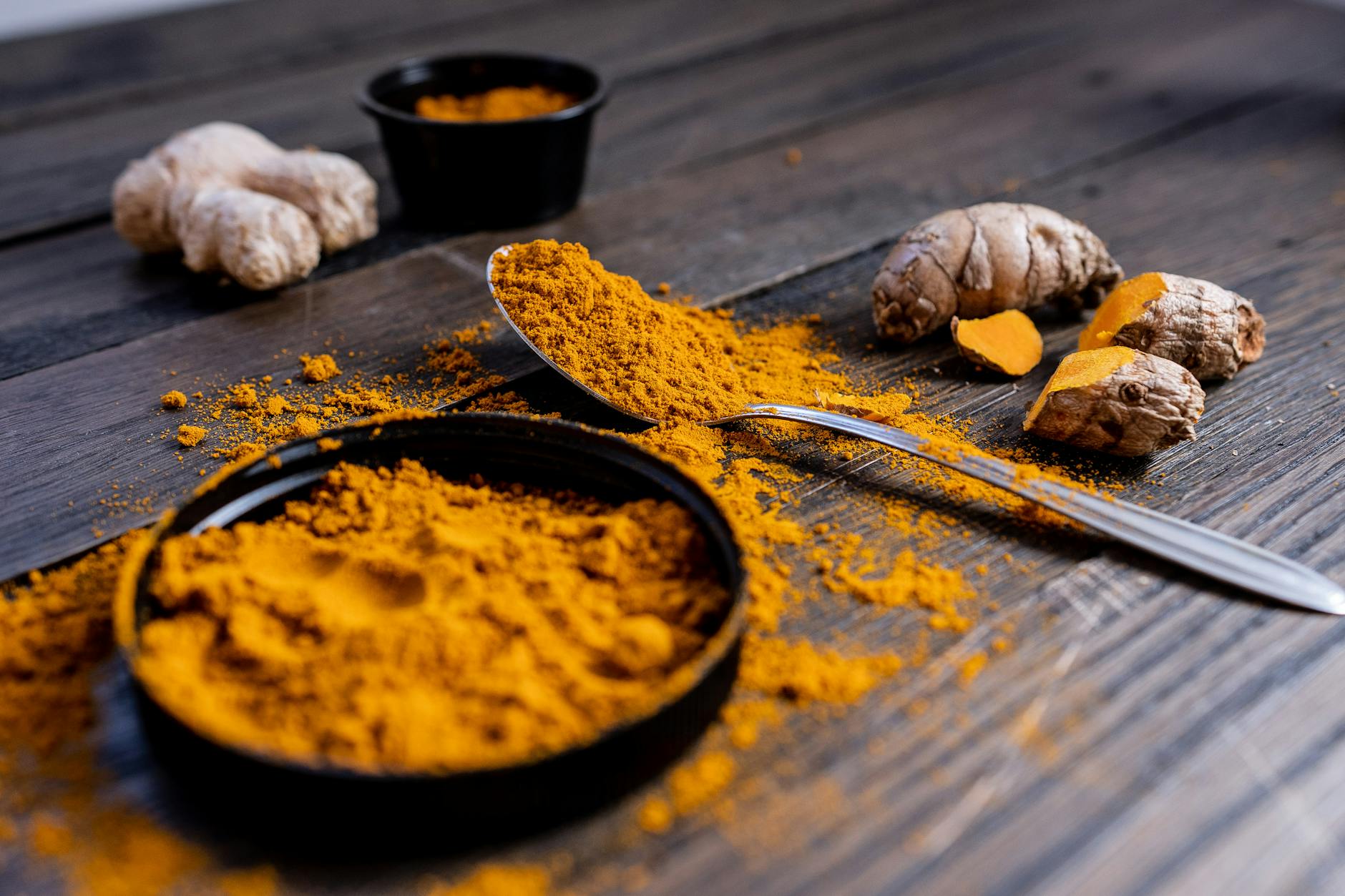
Curcumin is the best-known active compound in turmeric, and it is often discussed in the context of food, supplements, and daily wellness routines. In practical terms, many people encounter it through turmeric powder, capsules, or curry-style dishes, but curcumin itself is only one part of the turmeric plant. That distinction matters because the name on a package does not always tell the full story about how much curcumin is actually present.
Curcumin is usually described as a fat-soluble compound, which means it does not mix well with water. This characteristic is one reason it is often paired with meals that contain some fat, rather than taken alone with plain water. For readers comparing turmeric powder and curcumin extract, the main question is not only what is inside the product, but also how the body can use it in real-life eating habits.
Why absorption is a central issue
A major reason curcumin attracts attention is that it is discussed less like an ordinary spice and more like a compound with specific absorption limitations. In daily use, that means a spoonful of turmeric powder may look simple, but the amount the body can take in may differ depending on the form, the meal, and the surrounding ingredients. This is why articles on curcumin often focus on bioavailability rather than only on ingredient lists.
Food and supplement sources commonly note that curcumin is not highly water-soluble and is handled quickly by the body after ingestion. The practical takeaway is straightforward: the same ingredient can behave differently when taken as part of a meal, a drink, or a supplement formula. For consumers, that makes label reading and serving context more important than chasing a single “best” product format.
Fat, meals, and practical pairing
Because curcumin is fat-soluble, many everyday recipes and supplement routines pair it with oils, dairy foods, or other fat-containing meals. A curry lunch, a turmeric drink made with milk, or a capsule taken with dinner are all examples of this pattern. The reason is not culinary fashion; it is the simple chemistry of how fat-soluble compounds are commonly handled in digestion.
For many readers, the most useful rule is to think in terms of with meals rather than on an empty stomach. That does not mean every serving must be heavy or oily, only that a small amount of dietary fat is often part of the conversation when people talk about curcumin intake. In everyday English, this is why “take it with food” comes up so often in product guidance and nutrition articles.
Piperine and other common formula choices
Another frequent topic is black pepper extract, especially piperine. Many curcumin products include it because it is widely discussed in relation to curcumin absorption. In supplement marketing and nutrition writing, this pairing is often presented as a formulation strategy rather than a standalone ingredient benefit.
At the same time, formula design varies widely. Some products focus on standard turmeric extract, others add oils, lecithin, or black pepper-derived ingredients, and some rely on food-based combinations instead of capsules. That means the right choice depends on the user’s routine, budget, and tolerance for combination formulas, not just on a single headline claim on the front of the bottle.
Safety, labels, and realistic use
Curcumin is usually approached as part of supplements or nutrition rather than as a medical treatment. That is important for readers who are comparing everyday use with higher-dose products, because the context changes from seasoning to concentrated intake. General guidance from food and health authorities emphasizes reading labels carefully and paying attention to total intake, especially when a product is designed for regular use.
People who take medication, are pregnant, have bleeding concerns, or are considering a high-dose supplement should review the label and consult a qualified professional. This article is for reference only and is not a substitute for personalized medical advice. For most household use, the most practical approach is still simple: understand the ingredient form, pair it thoughtfully with meals, and avoid assuming that a more concentrated product is automatically a better fit.
How to compare products more wisely
A useful way to evaluate curcumin products is to ask three questions: how much curcumin is listed, what other ingredients are included, and how the product is meant to be taken. A turmeric seasoning used in cooking, a curcumin capsule with piperine, and a powder mixed into a latte are all different use cases, even if they share a similar sounding name. That difference matters because the real-world setting shapes the user experience.
Readers looking for kitchen-friendly options may care more about taste and convenience, while supplement users may care more about ingredient standardization and daily routine fit. In both cases, the best choice is usually the one that matches the person’s eating pattern, not the one with the loudest promise. For many households, the most sensible starting point is to treat curcumin as a nutrition topic first and a product topic second.