
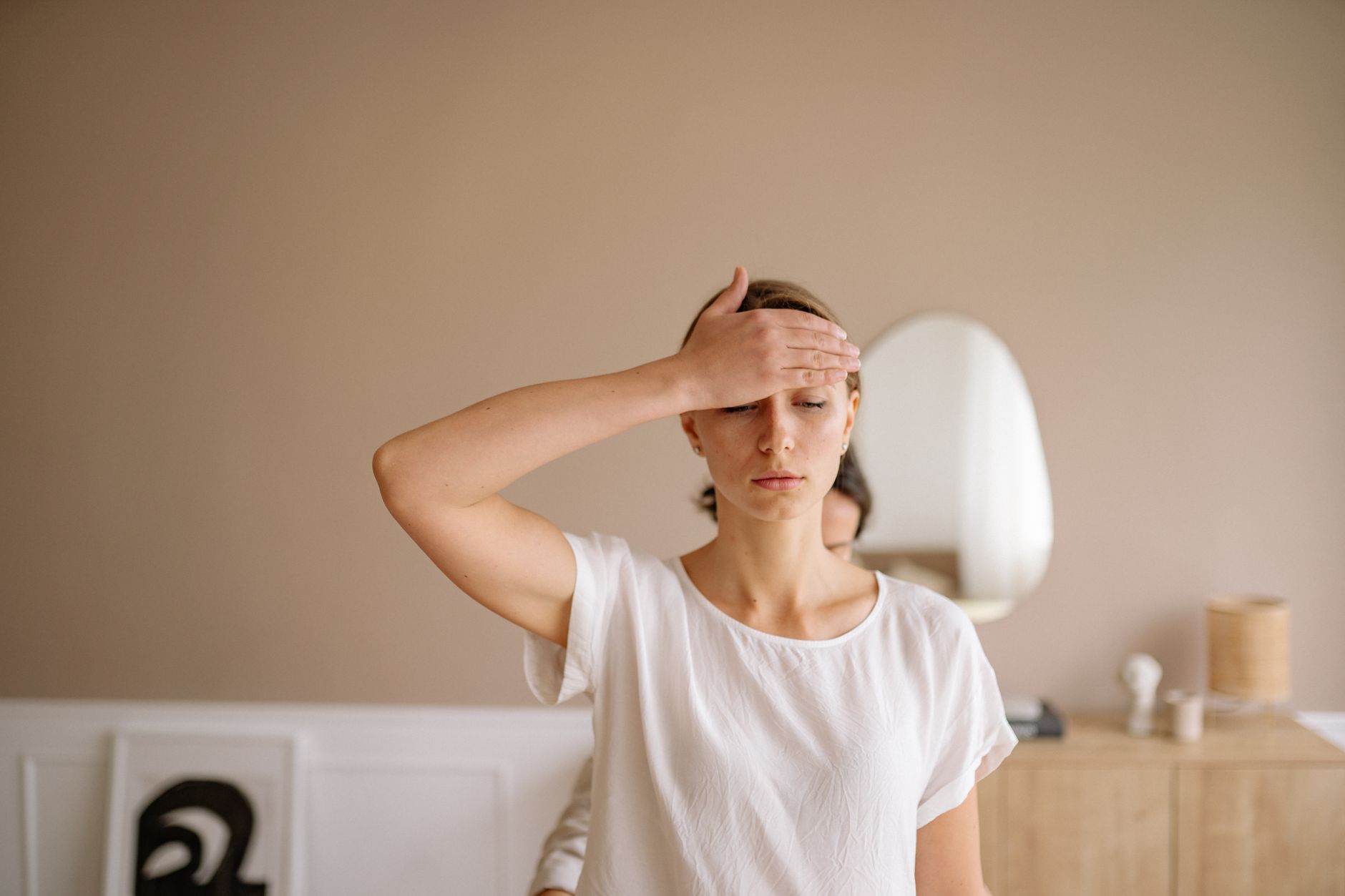
Understanding everyday menopause discomfort
Menopause is often discussed as a single phase, but day-to-day experience can look very different from one person to another. Some notice hot flashes or night sweats, while others feel sleep changes, mood swings, joint stiffness, or a sense that recovery from a busy day takes longer than before. A practical daily routine does not need to be extreme; it should be simple enough to keep on ordinary workdays, weekends, and travel days.
Build meals around steady energy
Food choices matter because irregular meals, heavy late-night eating, and highly processed snacks can make the day feel less predictable. A useful pattern is to keep meals regular, include vegetables, fruit, whole grains, and protein, and pay attention to hydration across the day. Many people also choose calcium-rich foods, vitamin D sources, soy foods, nuts, and fish as part of a wider menopause-friendly eating pattern.
Make movement part of normal life
Daily movement is easier to maintain when it is tied to routines rather than treated as a special project. Brisk walking after lunch, climbing stairs at work, light strength training at home, or a short evening stretch can fit into a packed schedule. Health guidance in Taiwan notes that women should aim for at least 150 minutes of moderate-intensity activity per week, with weight-bearing exercise being a practical option for bone health.
Protect sleep and recovery time
Sleep often becomes the first thing people notice when menopause discomfort starts affecting daily life. A calmer evening routine can matter more than a perfect schedule: keeping bedtime and wake-up time fairly steady, reducing late caffeine or alcohol, and making the bedroom cooler and quieter are all common strategies. For those with night sweats or frequent waking, tracking patterns for a week or two can help identify triggers worth discussing with a clinician.
Manage stress in realistic ways
Stress can make menopause feel more intense because heat, fatigue, and irritability are harder to tolerate when the body is already under pressure. Short breathing exercises, a 10-minute walk, journaling, gentle yoga, or listening to music may be more realistic than trying to overhaul the entire routine at once. The goal is not to eliminate stress completely, but to create small pauses that make the day easier to navigate.
Know when professional advice is important
Daily self-care is useful, but persistent or severe symptoms deserve professional evaluation, especially when sleep is repeatedly disrupted, urinary issues appear, or pain and mood changes interfere with work and relationships. Clinicians may discuss lifestyle changes, health checks, or other options depending on a person’s age, medical history, and symptom pattern. This article is for general reference only and is not a substitute for medical advice.
Keep the routine simple and repeatable
The most sustainable menopause routine is usually the one that feels ordinary enough to repeat. A balanced breakfast, a glass of water after waking, a walk after meals, and a fixed wind-down time at night can do more for consistency than an ambitious plan that collapses after a few busy days. The best starting point is to choose one habit from food, movement, sleep, or stress and make it easy enough to keep for two weeks before adding another.