
Concerns about circulation and cardiovascular wellness are increasingly common as populations age and sedentary lifestyles become the norm. Many people encounter the term nattokinase when searching for natural options related to circulatory health and wonder how it connects to blood flow, blood clots, and overall vessel condition. Modern research has focused on nattokinase as a notable enzyme derived from natto, a traditional Japanese fermented soybean food, and has explored how it interacts with components such as fibrin, blood viscosity, and clot formation. This article summarizes current evidence, mechanisms that scientists have proposed, and practical considerations, while reminding readers that the information is for general knowledge only and does not replace professional medical advice.
What is nattokinase and where does it come from?
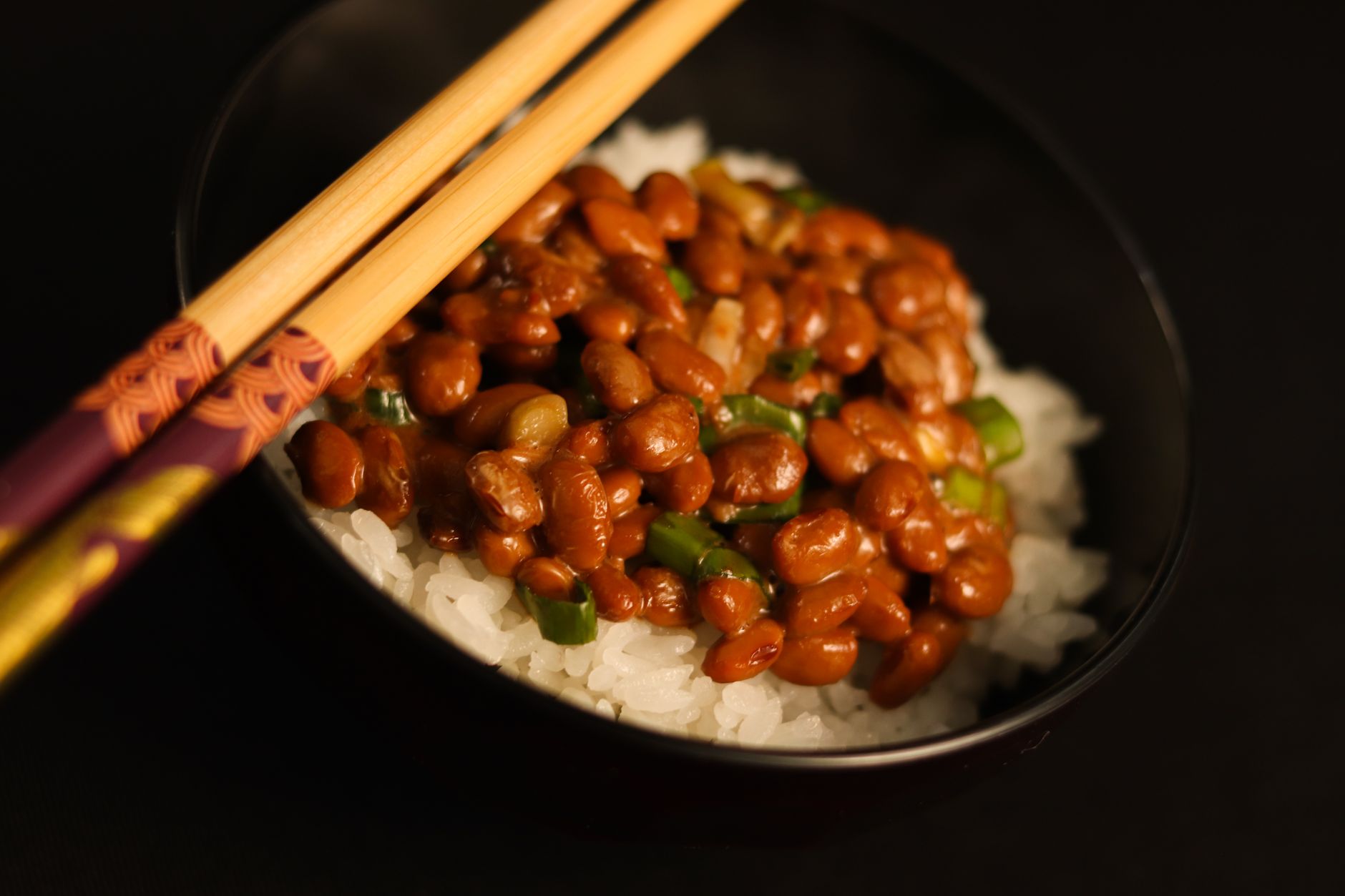
Nattokinase is a serine protease enzyme produced when boiled soybeans are fermented with Bacillus subtilis var. natto during the making of natto, a sticky, strongly flavored dish long eaten in Japan. Researchers first isolated nattokinase in the 1980s when they noticed that natto seemed to influence clot‑related processes in laboratory settings, leading to more detailed biochemical analysis. Unlike many synthetic agents, nattokinase is obtained from a food that is already part of traditional diets, although the purified enzyme in capsules is far more concentrated than what is typically eaten at the table. In scientific writing, nattokinase is often discussed together with other natto‑derived compounds, such as vitamin K2 (menaquinone‑7) and probiotic strains, which together make natto an interesting model for studying the relationship between fermentation, nutrients, and circulatory health.
How nattokinase is thought to act on fibrin and blood flow
When researchers talk about nattokinase and circulation, they often focus on its interaction with fibrin, a structural protein that forms the mesh of blood clots. Laboratory experiments suggest that nattokinase can break down fibrin directly and may also influence the body’s own fibrinolytic system, which includes plasmin and related factors. In vitro and animal studies have reported changes in clot formation, clot breakdown, and blood flow characteristics after nattokinase exposure, leading scientists to describe it as a potential "fibrinolytic" or "clot‑modulating" enzyme. Human studies, though more limited in number and scale, have explored outcomes such as blood viscosity, certain coagulation markers, and indices of circulation, indicating that nattokinase may be associated with smoother blood flow in some contexts. However, these findings vary by study design, dose, and population, so they are better viewed as promising signals rather than definitive proof for any one effect.
Nattokinase and circulatory wellness: key research directions
In the context of circulatory wellness, nattokinase is often discussed with respect to blood circulation, thrombosis, and broader cardiovascular markers. Some clinical trials have examined nattokinase intake over weeks to months and monitored parameters like plasma fibrinogen, certain clotting factors, or surrogate indices of arterial function. Several of these reports describe modest shifts in laboratory values that are considered favorable for circulation, such as lower fibrinogen or changes in factors related to clot stability, though not every study has shown the same magnitude of change. Observational and pilot studies have also looked at nattokinase as part of multi‑ingredient formulations, sometimes including red yeast rice, coenzyme Q10, or antioxidants, making it difficult to isolate the enzyme’s specific contribution. Overall, experts generally agree that more large‑scale, well‑controlled human research is needed before drawing firm conclusions about long‑term cardiovascular outcomes.
Natto, vitamin K2, and their broader role in vascular health
To understand nattokinase in context, it is useful to look at natto as a whole food and its nutrient profile. Natto contains high‑quality plant protein, fiber, and particularly notable levels of vitamin K2 (MK‑7), which has been studied for its role in bone and vascular biology. Epidemiological research from Japan has explored associations between natto consumption, vitamin K2 intake, and markers of bone strength and arterial calcification, suggesting that regular natto eaters may have different risk profiles than non‑consumers. While vitamin K2 and nattokinase act through different mechanisms, both are considered part of natto’s contribution to overall cardiovascular and skeletal health discussions. For everyday readers, this means that thinking only in terms of an isolated enzyme may be too narrow; the broader dietary pattern, including fermented foods, plant‑based proteins, and lifestyle habits, also matters when considering circulatory wellness.
Typical intakes, supplement forms, and usage scenarios
In Japan, natto is commonly eaten as a breakfast or dinner item, with a small pack of around 40–50 grams providing a food‑based source of nattokinase along with other nutrients. Supplement manufacturers, by contrast, usually standardize nattokinase by fibrinolytic units (FU), a measure of enzyme activity, and many commercial products cluster around daily intakes in the range often cited in research, such as approximately 2,000 FU per day. Some observational data and expert groups have used this level as a reference point when discussing general maintenance intake, while higher amounts appear in certain studies under medical supervision. People who explore nattokinase supplements often include office workers concerned about long sitting time, middle‑aged adults paying more attention to cardiovascular markers, or individuals who rarely eat natto but are curious about its key components. Regardless of interest, professional guidance is especially important for anyone with existing cardiovascular conditions, prior clotting events, or complex medication regimens.
Safety, interactions, and who should be cautious
Most reports suggest that nattokinase is generally well tolerated in healthy adults when used within commonly studied ranges, and serious adverse events appear uncommon in published data. However, because the enzyme interacts with clot‑related pathways, there is particular concern about potential interactions with anticoagulant or antiplatelet medications, as well as with bleeding disorders or upcoming surgical procedures. Case reports and expert opinions therefore often recommend that people on warfarin, direct oral anticoagulants, aspirin regimens, or with a history of hemorrhagic events seek personalized medical advice before considering nattokinase. Pregnant or breastfeeding individuals, children, and those with active cancer or severe systemic illness are usually advised to rely on physician guidance rather than self‑supplementation. As with any health‑related decision, information about nattokinase should be considered one piece of a larger picture that includes diet, movement, sleep, stress, and evidence‑based medical care.
Lifestyle context: placing nattokinase in a heart‑smart routine
From a lifestyle perspective, nattokinase is best discussed not as a stand‑alone "solution" but as one potential element in a heart‑smart routine that also emphasizes established approaches. Regular physical activity, such as walking, cycling, or swimming, supports circulation by engaging the muscle pump and encouraging blood flow throughout the day. A diet rich in vegetables, fruits, whole grains, and healthy fats, with limited excess salt and refined sugars, remains central in most cardiology and public health guidelines. For those who enjoy Japanese cuisine, including natto alongside other fermented foods can be an interesting culinary way to obtain nattokinase and vitamin K2, while also expanding dietary diversity. Because health is highly individual, the information in this article is intended for educational purposes only and does not provide diagnosis, treatment, or personalized recommendations; readers are encouraged to consult qualified healthcare professionals before making changes related to nattokinase, circulation, or cardiovascular management.