
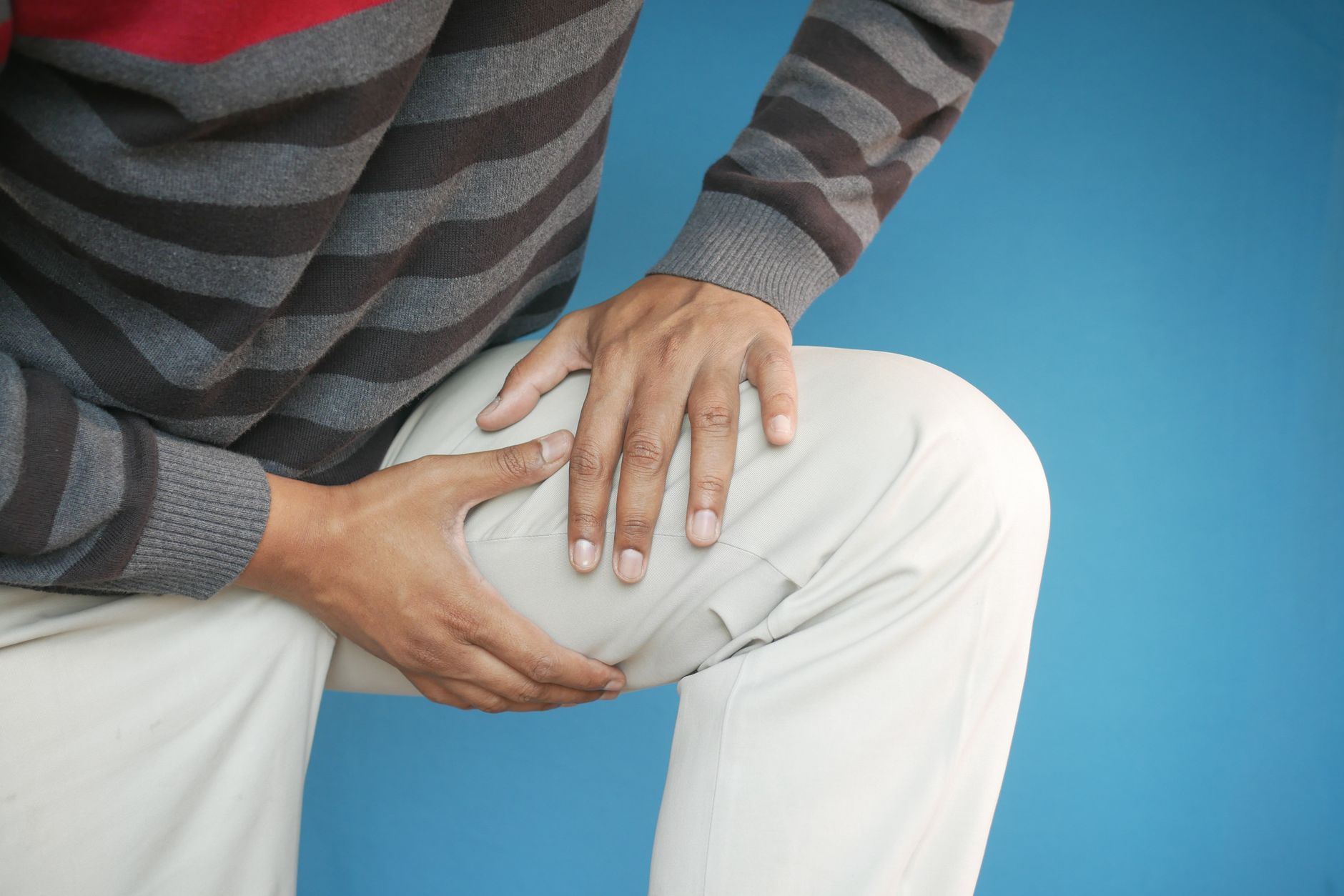
Many service staff, medical workers and factory employees spend most of their shifts on their feet,常常在下班時感到腿沉、腫脹或發緊。For these long-standing workers, leg care and circulation routines are not a luxury but a basic part of staying comfortable and productive through the week. Rather than relying on a single trick, a combination of posture awareness, small movements, footwear choices and simple home rituals can make standing shifts feel more manageable. All suggestions here are general lifestyle tips and are for information only; anyone with persistent pain or medical conditions is encouraged to discuss their situation with a healthcare professional.
Understanding what long hours on your feet do to your legs
Standing still for long stretches places continuous load on the feet, calves and lower back. Over time, muscles work like a static pump holding the body upright, which can leave the lower limbs feeling heavy and tight after a shift. Unlike walking, where the calf muscles contract and relax repeatedly, prolonged standing often means very little movement at the ankles, so circulation can feel less efficient and fluid can accumulate more easily in the lower legs. Many workers describe a combination of tired arches, stiff calves and a dull pulling sensation around the knees after busy days. Long-term, habits such as locked knees, leaning on one leg or wearing unsupportive shoes can add extra strain to joints and soft tissue, so early attention to daily care is worthwhile.
Building better standing posture during shifts
Good posture may sound abstract, but for long-standing workers it starts with small, concrete adjustments. Keeping the pelvis neutral, avoiding exaggerated arching of the lower back and gently drawing the chin in can help distribute weight more evenly through the spine and legs. When possible, knees should stay slightly soft rather than locked straight, and weight can alternate between left and right foot instead of resting on one leg all day. Many workers find it useful to imagine the crown of the head lifting upward while the shoulders stay relaxed, which naturally lengthens the spine without forcing a rigid stance. If the workplace allows, using an anti-fatigue mat or occasionally placing one foot on a small step or low bar can change the angle at the hips and knees and reduce the sense of being "stuck" in one position.
Micro-movements to encourage lower-limb circulation
Even in cramped or busy environments, micro-exercises woven into the day can keep the calves active. Simple heel raises, where the heels lift and lower while the toes stay on the ground, gently engage the calf muscles and ankle joint. Some workers repeat this for 10 to 15 reps every hour when customers are not directly in front of them. Another option is ankle circles or flexing and pointing the toes inside the shoes, especially during moments such as waiting for a machine cycle to finish or while listening to a customer’s order. Short, slow steps on the spot or shifting weight forward and back can also help the legs feel less stiff. The key is frequency rather than intensity, so movements stay discreet and do not interfere with work tasks, yet give the lower-limb circulation a regular nudge.
Stretching breaks: using short pauses wisely
Break time is a valuable opportunity to reset tired legs and hips. During a five- to ten-minute pause, many people like to perform gentle calf stretches against a wall, placing one leg back with the heel down until a mild stretch is felt in the lower leg. Thigh stretches, such as holding the ankle behind the body while keeping the knees close together, can ease tension across the front of the leg after long hours in one posture. Hamstring stretches with the foot on a low step or seated forward bends can address the back of the thigh if space permits. It is helpful to move into each stretch slowly and hold for around twenty to thirty seconds without bouncing. On longer breaks, sitting down and elevating the legs on a low stool or spare chair so that the feet rest slightly above hip level can reduce a sense of heaviness before returning to the floor.
Footwear, compression options and workplace tools
Shoes and socks form the foundation of everyday leg comfort for long-standing staff. Supportive footwear with enough room in the toe box, cushioning under the heel and midfoot, and a stable sole can make long shifts feel noticeably different compared with thin or overly rigid shoes. Many workers choose insoles designed to distribute pressure more evenly across the foot or to support the arch, especially on hard floors. Some also consider compression socks as one option for managing end-of-day leg tiredness; these are typically chosen for fit and comfort rather than solely for appearance. Using them is a personal decision, and people with underlying medical issues should check with a health professional before adopting stronger compression gear. Where possible, employers can contribute by providing rubber mats, allowing position changes and planning shift patterns so that staff are not confined to a single spot for the entire day.
After-work rituals for leg comfort at home
How long-standing workers wind down after a shift can influence how their legs feel the next morning. Many people appreciate a short leg-elevation routine, such as lying on a sofa with calves propped on cushions or resting the legs up the wall for several minutes, to ease the sensation of pressure in the lower limbs. A warm footbath at a comfortable temperature, soaking up to the calves, can become a relaxing transition between work and home life while encouraging the muscles to loosen. Gentle self-massage with hands, a massage ball or foam roller along the calves and under the feet can help workers tune in to tight spots and adjust habits that might be contributing to discomfort. Hydration and balanced meals in the evening also support overall recovery from a long day of standing, alongside a consistent sleep routine.
When to seek professional advice
While many long-standing workers only experience temporary soreness that eases with rest, others may notice persistent swelling, marked asymmetry between legs, skin changes or pain that interferes with walking or sleep. In such situations, self-care routines alone may not be sufficient, and a healthcare professional such as a doctor or physical therapist can help assess what is happening and suggest appropriate next steps. Workplace health teams, where available, can also review floor layout, break policies and footwear guidelines as part of broader workplace health management. The suggestions in this article are general in nature and are not intended as medical advice or a substitute for personalised assessment. Anyone who is uncertain about which strategies suit their situation is encouraged to discuss options with a qualified professional so that leg care becomes a sustainable part of everyday working life.