
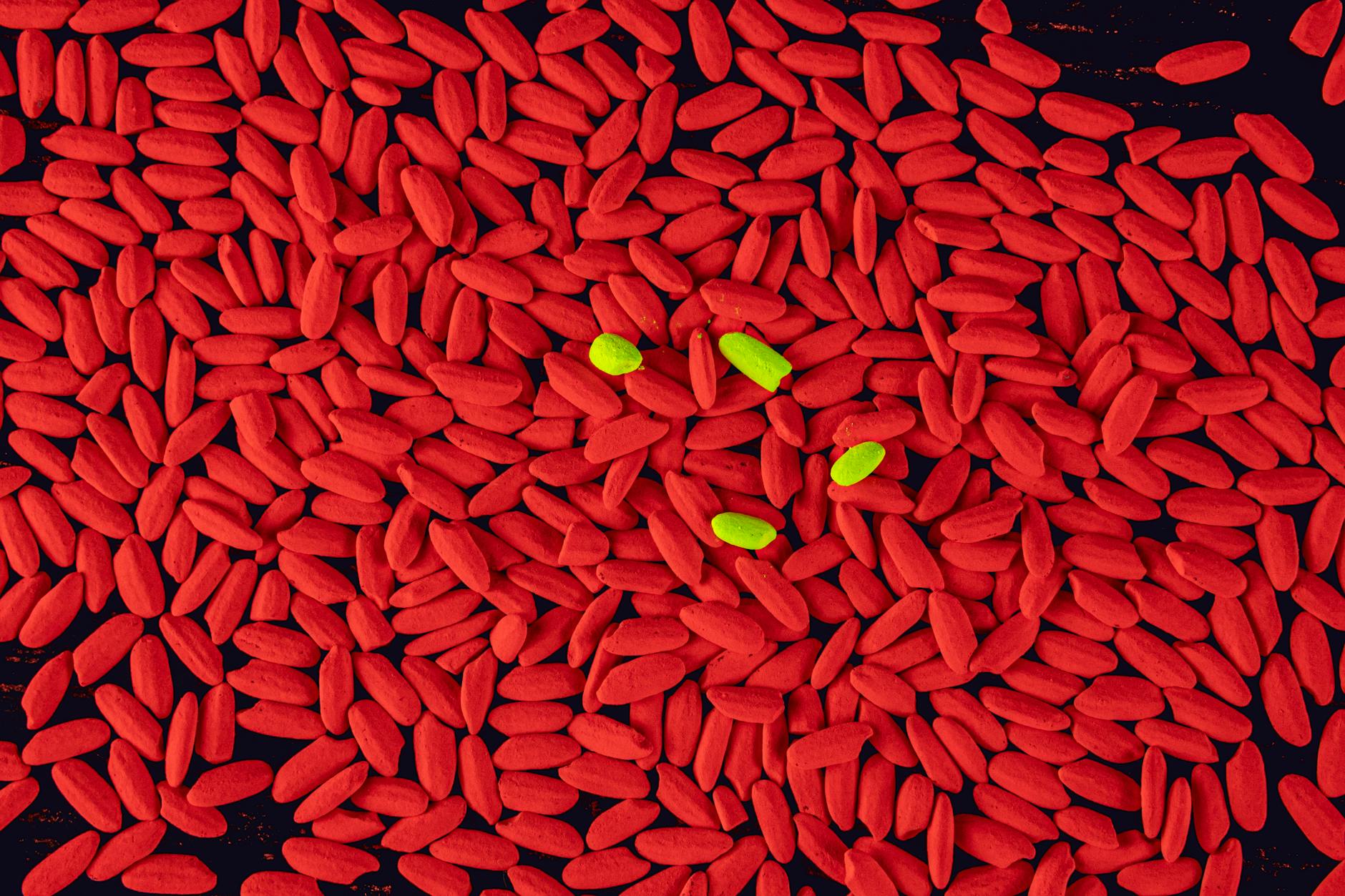
Red yeast rice has attracted global attention as a traditional food ingredient that also appears in many modern dietary supplements. Consumers often hear that it contains Monacolin K, a substance related to prescription statins, and wonder how it works and whether it is suitable for them. This article introduces the key characteristics of red yeast rice, summarizes important safety issues raised in recent reports, and explains usage precautions for different groups. The goal is to offer balanced, evidence‑based information so readers can discuss options more clearly with healthcare professionals, rather than to recommend self‑medication or replace medical treatment.
What red yeast rice is and how it is produced
Red yeast rice is traditionally made by steaming rice and inoculating it with Monascus fungi, then letting it ferment until the grains turn red or purple. During this fermentation, the fungus produces various secondary metabolites, including pigments, flavor compounds, enzymes, and the monacolin family. Monacolin K, chemically identical to lovastatin, is the best‑known representative of this group. In many Asian cuisines, red yeast rice has long been used as a natural colorant or flavoring in items such as fermented bean curd, rice wines, and cured meats. Modern manufacturers, however, also concentrate or standardize certain components into capsules or tablets, which means the amount of active substances in supplements can be very different from that in traditional foods.
Main components and functional characteristics
From a composition perspective, red yeast rice contains monacolins (including Monacolin K), pigments, gamma‑aminobutyric acid (GABA), and other fermentation products. Research has focused heavily on Monacolin K because it inhibits the liver enzyme HMG‑CoA reductase, the same enzymatic step targeted by statin drugs. Other components, such as GABA and certain antioxidant molecules, have been explored in animal or small human studies for their potential influence on blood pressure, oxidative stress, or metabolic indicators. However, the amount and ratio of these substances vary widely among strains and production conditions, so the effect of one product cannot be assumed for another. Readers should treat functional claims as research observations, not as universal promises, and distinguish between results from controlled clinical trials and marketing language on commercial websites.
Variability between food and supplement products
One crucial characteristic of red yeast rice is the large variability between products. Traditional food uses typically involve modest quantities integrated into meals, while modern supplements may contain standardized doses of Monacolin K measured in milligrams. Some health authorities have set upper limits for daily monacolin intake; for example, in Taiwan regulatory documents for health foods, the daily intake limit for monacolin K has been set around 15 mg, and adverse events such as digestive discomfort, headache, or muscle symptoms are more common at higher intakes. In addition, fermentation conditions that are not well controlled may lead to the formation of citrinin, a mycotoxin with kidney and liver toxicity, which has been detected in a substantial proportion of sampled products in some reports. These factors mean quality control, laboratory testing, and regulatory status are central when comparing red yeast rice foods and supplements.
Safety concerns: citrinin, liver and kidney burden
Safety discussions around red yeast rice focus on two main aspects: the statin‑like effect of Monacolin K and potential contamination with citrinin. Experimental data indicate that long‑term intake of citrinin at high levels can be harmful to kidney and liver tissues in animals, and surveillance reports have found that a portion of imported red yeast rice products exceeded recommended citrinin levels. Separately, because Monacolin K acts similarly to lovastatin, excessive intake or use in vulnerable individuals may put extra burden on the liver and muscles. There have been case reports of muscle pain, abnormal liver function tests, and, in rare situations, serious muscle breakdown in association with red yeast rice products. Recent incidents involving red yeast rice supplements and kidney problems in Japan further highlight the importance of manufacturing hygiene, strain selection, and independent safety testing, rather than assuming that all “natural” products are inherently low‑risk.
Groups who should be especially cautious
Not everyone is an appropriate candidate for red yeast rice supplementation, even at commonly marketed doses. Clinical guidance and educational materials from hospitals generally advise that pregnant and breastfeeding women avoid red yeast rice products, because Monacolin K is structurally the same as lovastatin and statins are contraindicated in these periods. People with pre‑existing liver disease, unexplained persistent liver enzyme elevations, or significant kidney impairment are often advised to avoid statin‑like substances, including monacolin‑rich red yeast rice, unless closely supervised by a physician. Individuals with a history of statin‑induced muscle problems, such as myopathy or rhabdomyolysis, should also approach red yeast rice carefully. For older adults taking multiple medications, those with serious chronic illnesses, and anyone considering long‑term use, consultation with a healthcare professional is strongly recommended before starting.
Drug interactions and combination use
Because Monacolin K shares the same target as prescription statins, combination use raises a significant risk of overlapping effects. Taking red yeast rice along with statin medications or fibrate‑class lipid‑lowering drugs may increase the likelihood of muscle damage, including serious conditions like rhabdomyolysis. There are also reports of interactions with anticoagulants such as warfarin, where red yeast rice may influence drug levels or coagulation parameters, and with certain antibiotics like clarithromycin or erythromycin, which can alter metabolism in the liver. In addition, grapefruit and related citrus fruits are known to affect the metabolism of some statins, so some experts suggest avoiding regular grapefruit intake when using monacolin‑containing products. Anyone already on prescription medication, especially for cholesterol, blood clotting, blood pressure, or infections, should not add red yeast rice on their own but instead discuss possible interactions with their doctor or pharmacist.
Practical usage tips and product selection
For consumers who, after consulting professionals, still decide to use red yeast rice products, a few practical guidelines can reduce unnecessary risk. First, pay attention to the labeled monacolin content and avoid doses that exceed regulatory recommendations, particularly when considering total daily intake from multiple products. Second, choose products from manufacturers that provide citrinin testing data, clear batch numbers, and regulatory approvals or health food certification where applicable. Third, avoid using red yeast rice as a substitute for prescribed lipid‑lowering therapy without medical supervision; stopping or changing statin therapy based solely on advertising claims can delay appropriate management of cardiovascular risk. Finally, observe for early signs of adverse reactions such as muscle soreness, unusual fatigue, dark urine, persistent abdominal discomfort, or jaundice, and seek medical advice promptly if such symptoms appear after starting a new product.
When red yeast rice might be considered and key takeaways
In clinical research, red yeast rice with standardized Monacolin K content has been studied mainly in adults with elevated cholesterol who either cannot tolerate standard statin doses or are managed in controlled settings. Even in these studies, participants are typically monitored for liver enzymes, kidney function, and muscle‑related complaints, underlining that this is not a trivial supplement. For the general public, the most important points are to understand that red yeast rice is not a harmless kitchen spice once concentrated into capsules, that product quality and citrinin control matter greatly, and that interactions with medicines can be clinically significant. Any decisions about using red yeast rice for cholesterol management or other health goals should be made in discussion with qualified healthcare professionals. The information in this article is for educational purposes only and does not replace personalized medical advice, diagnosis, or treatment.