
Vitamin E is often described as a key antioxidant that supports everyday cellular health, but the question many readers have is how it actually works at the microscopic level. Research in nutrition and biochemistry describes vitamin E as a fat‑soluble vitamin that settles into the fatty layers of cell membranes, where it can interact directly with reactive molecules produced during normal metabolism. These reactive molecules, commonly called free radicals, are highly unstable and tend to react with nearby components such as membrane lipids. By donating an electron or a hydrogen atom, vitamin E can neutralize certain free radicals before they trigger chain reactions in the membrane. This biochemical role helps explain why a steady, balanced intake of vitamin E from food sources is often discussed in the context of long‑term health maintenance, while still leaving room for other nutrients and lifestyle factors.
What is vitamin E and where does it sit in the cell?
Vitamin E is a group of related compounds, with alpha‑tocopherol being the most biologically active form in humans. Because it is fat‑soluble, vitamin E dissolves in lipids rather than water and is therefore drawn to fatty structures such as cell membranes and lipoproteins. Cell membranes are built largely from phospholipids that contain polyunsaturated fatty acids, which are chemically prone to oxidation. When vitamin E embeds itself among these phospholipids, it essentially becomes part of the membrane’s protective environment. This positioning allows vitamin E to interact very quickly with radicals that form right inside the membrane, rather than having to diffuse in from the watery surroundings of the cell.
Free radicals, lipid peroxidation and oxidative stress
Free radicals are molecules or atoms with unpaired electrons, making them highly reactive with proteins, DNA and especially lipids. In cell membranes, a common process is lipid peroxidation, where radicals attack polyunsaturated fatty acids and generate lipid radicals that propagate a chain reaction. If this chain reaction continues, more and more lipids are modified, which can alter membrane fluidity, permeability and even the function of membrane proteins. Over time, repeated oxidative events are grouped under the term oxidative stress, a state in which reactive molecules and defensive systems are out of balance. Researchers discuss oxidative stress in relation to normal aging and many chronic conditions, although individual risk always depends on multiple factors such as genetics, diet, environment and existing health status.
How vitamin E interrupts lipid peroxidation
Vitamin E’s most discussed role is its capacity to act as a chain‑breaking antioxidant in lipid environments. When a lipid peroxyl radical forms within the membrane, vitamin E can donate a hydrogen atom to this radical, converting it into a more stable lipid hydroperoxide. In doing so, vitamin E itself becomes a relatively stable tocopheroxyl radical, which is less reactive and does not readily attack neighboring lipids. This step effectively stops or slows the chain reaction of lipid peroxidation, preserving the physical properties of the membrane. Other antioxidants, such as vitamin C, can participate in redox cycles that regenerate vitamin E from its oxidized form, illustrating how nutrients often work in interconnected networks rather than in isolation.
Vitamin E and the integrity of the cell membrane
Because cell membranes separate the inside of the cell from its surroundings, their structural integrity is crucial for maintaining ion gradients, signaling and nutrient transport. Studies summarized in nutrition references describe vitamin E as contributing to membrane stability, particularly in red blood cells and muscle cells where membranes experience mechanical and oxidative challenges. When vitamin E is present in adequate amounts, it can reduce the likelihood that oxidative changes will rigidify the membrane or cause it to leak. This is especially relevant in tissues rich in polyunsaturated fats, such as nerve tissue and certain parts of the eye, where membrane composition makes them more sensitive to oxidation. It is also one reason why discussions about vitamin E often highlight its presence in cell‑rich, metabolically active organs rather than in isolation as a single "magic" nutrient.
Food sources and typical intake patterns
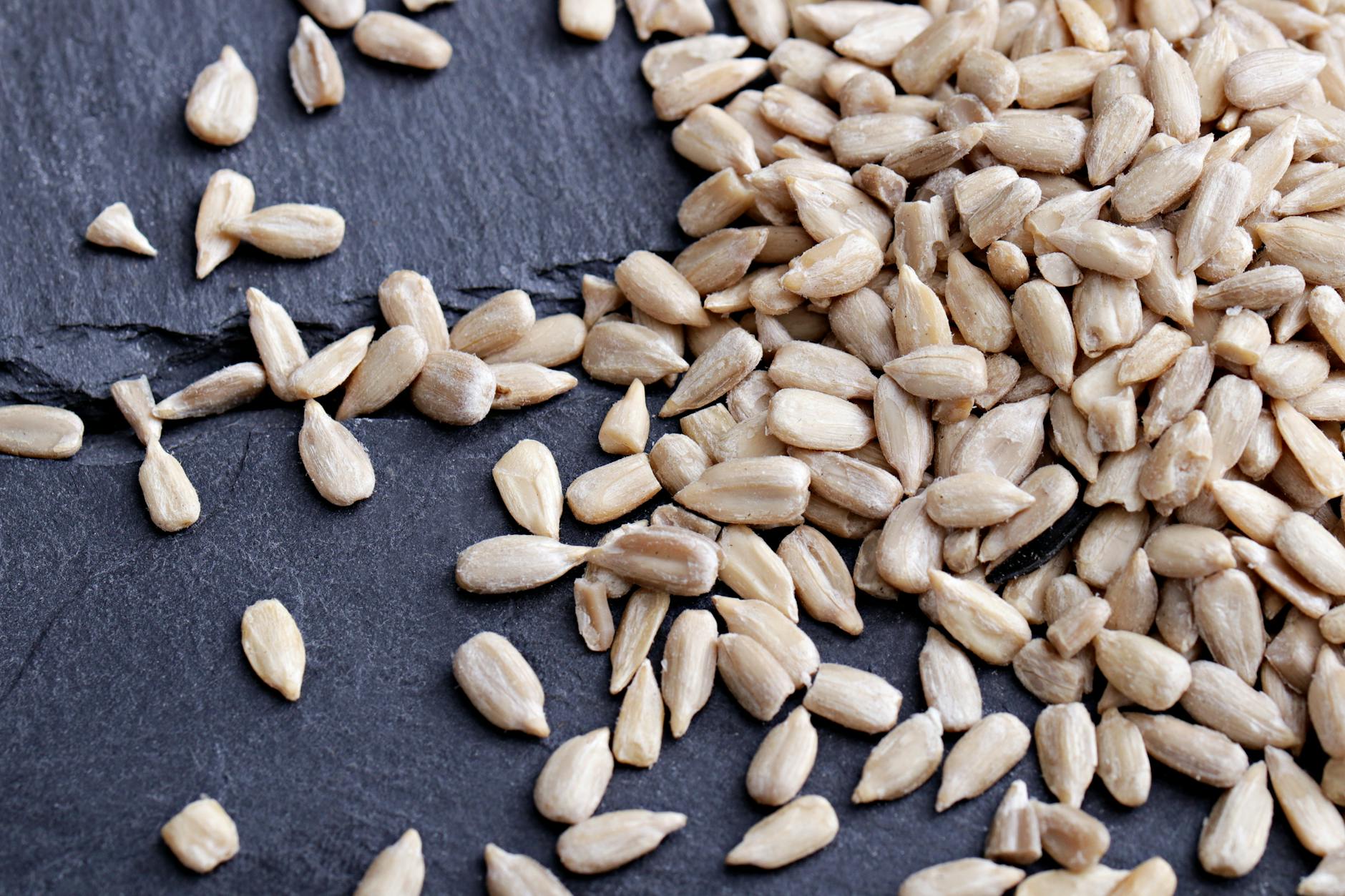
For most people, vitamin E intake comes primarily from dietary fats such as vegetable oils, nuts and seeds. Sunflower oil, safflower oil, almonds, hazelnuts and sunflower seeds are common examples of foods that provide notable amounts of vitamin E per serving. Leafy green vegetables and whole grains also contribute, although in smaller amounts compared with high‑fat sources. Nutrition guidelines in various countries typically suggest adult intakes in the range of about 12–15 milligrams of vitamin E per day, mainly from regular meals rather than high‑dose supplements. Because vitamin E is fat‑soluble, dietitians often note that consuming it together with some dietary fat supports absorption, which is usually naturally achieved in mixed meals.
Supplements, dosage and safety considerations
Vitamin E supplements are widely available, and many people are curious whether higher doses offer additional benefits beyond a balanced diet. Reviews from medical organizations point out that while vitamin E’s antioxidant role is well established in the laboratory, results from large clinical trials using high‑dose supplements are mixed and sometimes raise safety questions. For example, research discussed by the Mayo Clinic notes that very high supplemental doses may increase bleeding risk and could be associated with a higher risk of certain conditions in specific populations. Some observational and interventional studies have also reported a possible increase in prostate cancer risk with high‑dose vitamin E supplementation, though results are not uniform and are still being evaluated. Because of these uncertainties, public health recommendations generally emphasize meeting needs through food first and consulting a physician or dietitian before using high‑dose vitamin E products, especially for individuals with existing health issues or those taking anticoagulant medications.
How vitamin E works together with other lifestyle factors
Vitamin E does not operate alone in the body; it is part of a broader network of nutrients and lifestyle habits that influence oxidative balance. Other antioxidants from fruits, vegetables and whole foods, such as vitamin C and various phytochemicals, interact with vitamin E by regenerating its active form or by scavenging radicals in different parts of the cell. Regular physical activity, sufficient sleep, avoiding tobacco smoke and moderating exposure to environmental pollutants all change the overall oxidative environment that cells experience. From a practical perspective, this means that increasing vitamin E intake without considering the rest of one’s diet and lifestyle may not provide the outcomes some people expect. Readers interested in tailoring vitamin intake to their own situation are often advised to discuss individual needs with healthcare professionals, since age, medications, digestive health and medical history can all influence what level of intake is appropriate.
Practical takeaways and when to seek professional advice
From a biochemical standpoint, vitamin E plays a clear role as a fat‑soluble antioxidant located in cell membranes, where it can intercept free radicals and limit lipid peroxidation. At the same time, research on high‑dose supplementation shows that more is not always better, and that context matters for interpreting study outcomes. For many adults, a varied eating pattern that includes nuts, seeds, vegetable oils and leafy greens appears to cover typical needs, while specific groups with absorption problems or particular medical conditions may require professional guidance. Any decision to use vitamin E supplements, especially at doses above standard multivitamin levels, is best made in conversation with a doctor or registered dietitian who can review current medications, lab results and personal risk factors. Information in this article is intended for general education and should not replace individualized medical advice or diagnosis.