
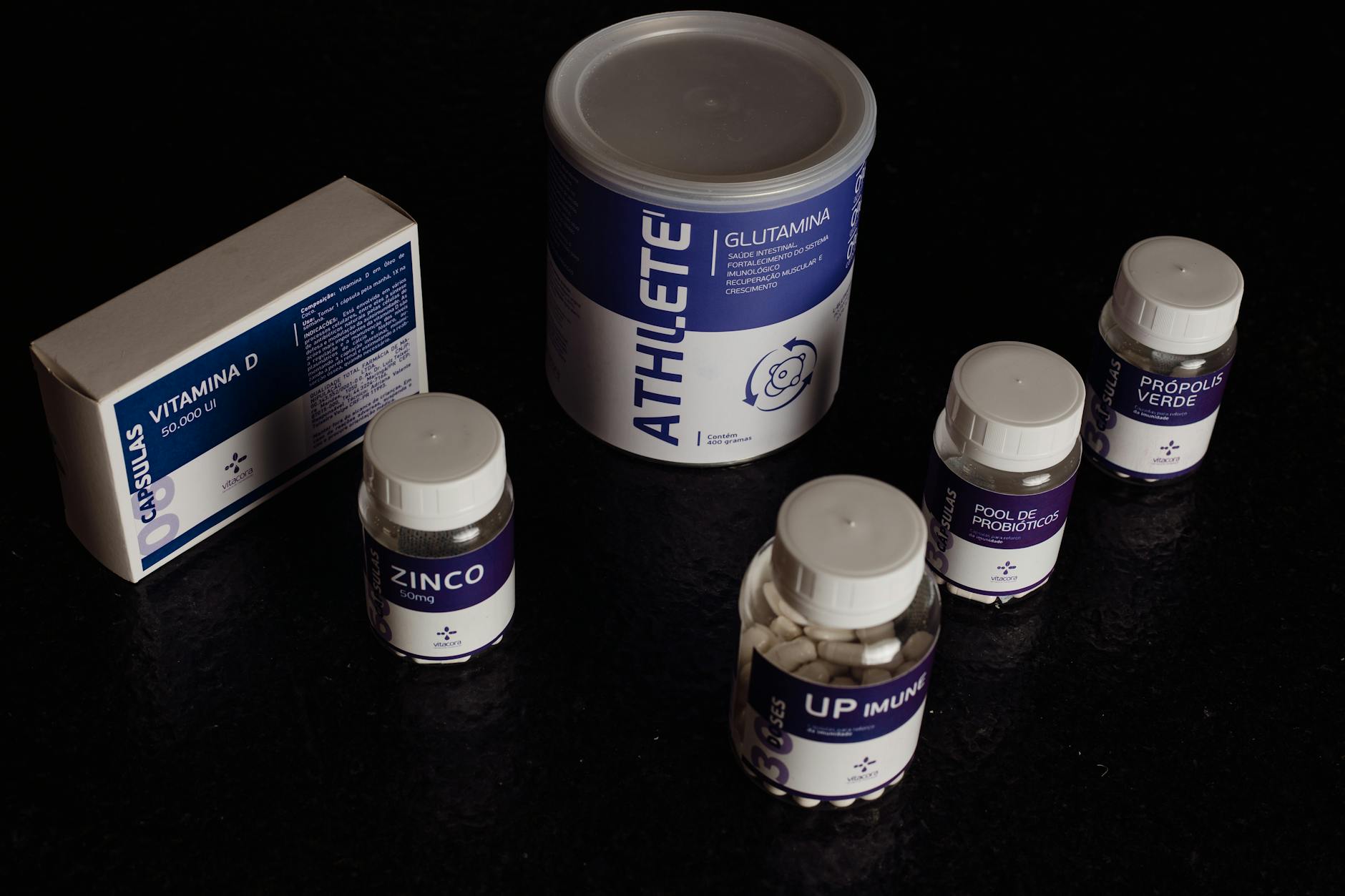
Zinc is often mentioned in discussions about immunity and skin, but the way it fits into the bigger picture of health is more nuanced than simple slogans. Research over the past few decades has shown that zinc participates in hundreds of enzyme reactions, many of which are involved in immune cell development, inflammatory signaling and tissue repair. At the same time, modern diets and lifestyle patterns can lead some people to fall short of recommended intakes. This article explains how zinc relates to immune responses and skin health, how to recognize potential low intake, and how to approach food and supplements with a cautious, evidence-aware mindset.
What zinc does in the body beyond the buzzwords
Zinc is a trace mineral, meaning the body needs only small amounts, yet it is built into more than 300 enzymes and numerous proteins. These enzymes are involved in DNA and RNA synthesis, antioxidant defense and cell division, all of which are fundamental processes for tissues that renew quickly, such as skin and immune cells. Because the body cannot store large reserves of zinc, a steady supply from food is important across all life stages. When intake is chronically low, subtle changes like reduced appetite or delayed wound closure may appear before more obvious signs. Understanding zinc as part of a network of nutrients, rather than as a standalone “booster,” helps set realistic expectations about what it can and cannot do.
Zinc and immune function: from thymus to innate defenses
In the immune system, zinc is closely involved in the development and function of several key cell types, including T cells, natural killer cells and various white blood cells that coordinate responses to microbes. Studies have linked low zinc status with altered thymus function, which can affect how T cells mature and how effectively they respond to challenges. Zinc also participates in signaling pathways that help immune cells communicate and regulate inflammatory reactions so they do not become excessive. Clinical research suggests that correcting a clear deficiency may allow immune function to return toward a more typical pattern, while taking more zinc than needed does not necessarily make immune responses stronger. For people comparing supplements, it is important to remember that overall sleep, stress, vaccination and other nutrients also play major roles.
Zinc and skin health: structure, renewal and wound repair
Skin is one of the fastest renewing organs in the body, and zinc is involved in several steps of this renewal process. As a cofactor for enzymes that build and remodel proteins, zinc contributes to the integrity of skin structure and to the normal formation of keratin in the outer layer. It also participates in antioxidant systems that protect skin cells from everyday environmental stressors such as UV exposure and pollution. When zinc intake is too low for an extended period, symptoms can include dry or rough skin, delayed wound closure and, in more severe cases, characteristic rashes described in clinical literature. Topical and oral zinc have been explored in research for various dermatologic concerns, but findings are mixed and condition specific, so individuals with persistent skin issues are usually advised to consult a dermatologist rather than self-manage solely with supplements.
The mucosal barrier: where zinc, immunity and skin intersect
Beyond the visible skin, zinc is also relevant for mucosal barriers such as those in the mouth, respiratory tract and gut, which are often described as the body’s first line of contact with the outside world. These surfaces rely on rapidly dividing cells and tight junctions to maintain their structure, processes that depend on adequate zinc and other nutrients. When mucosal integrity is compromised, the immune system may be exposed to more irritants or microbes, potentially leading to exaggerated local responses. Researchers have investigated zinc’s role in maintaining the architecture of these barriers and in modulating cytokines, the signaling molecules that coordinate immune reactions. While these findings provide mechanistic insight, they do not translate into a simple guarantee that a zinc product will achieve a particular health outcome, and health claims should therefore be interpreted cautiously.
Signs of low zinc intake and who might be at higher risk
Potential indicators of low zinc status can be non‑specific and may overlap with many other conditions. Commonly described signs include reduced sense of taste or smell, poor appetite, delayed wound closure, frequent skin irritation and increased susceptibility to infections, but these can also appear for reasons unrelated to zinc. Groups often discussed in the literature as having a higher likelihood of inadequate intake include people with limited animal protein in their diet, those with chronic digestive conditions, older adults, and some children and adolescents during periods of rapid growth. High intakes of certain minerals, like iron or calcium from supplements, can also interfere with zinc absorption. Because of this complexity, laboratory testing and medical evaluation are usually needed before concluding that zinc status is the main issue.
Food sources of zinc and how diet patterns matter
For most people, a varied diet is the primary and safest way to obtain zinc. Animal‑based foods such as oysters, beef, lamb, pork, dark meat poultry and eggs typically provide zinc in forms that are readily absorbed. Plant‑based sources include pumpkin seeds, cashews, chickpeas, lentils and whole grains; however, compounds called phytates in some grains and legumes can reduce zinc absorption, especially when these foods are not soaked or fermented. Many traditional cuisines naturally pair zinc‑rich foods in ways that improve bioavailability, for example combining meat with whole grains or using sourdough and fermented products. People who follow vegetarian or vegan patterns can still reach recommended intakes with careful planning, but may need to pay closer attention to total zinc density and preparation methods.
Supplements and dosage: safety, limits and expectations
Zinc supplements come in several forms, including zinc gluconate, sulfate and picolinate, with modest differences in absorption that are often less important than consistency and total dose. Nutrition guidelines in multiple countries set recommended daily intakes in the range of around 8–11 mg for most adults and upper intake levels near a few tens of milligrams per day, above which the risk of adverse effects increases. Reported side effects from excessive zinc intake include nausea, digestive discomfort and, with prolonged high doses, interactions that lower copper status and potentially affect blood parameters. Short‑term use of lozenges has been studied in the context of common cold duration, but results vary and evidence summaries emphasize that zinc should not replace medical care when symptoms are severe. Anyone considering long‑term supplementation, especially at doses above routine dietary recommendations, is generally advised to discuss the plan with a physician or dietitian.
Practical takeaways and important disclaimers
For readers thinking about immune resilience and skin appearance, zinc is one meaningful piece of a larger lifestyle puzzle that also involves diet quality, sun exposure habits, sleep, stress and, when needed, medical treatment. Paying attention to regular meals that include zinc‑containing foods, rather than relying solely on pills, aligns with most public health guidance. At the same time, people with ongoing infections, unexplained skin changes or suspected nutrient deficiencies benefit from professional evaluation instead of self‑diagnosis. All information in this article is intended for general education and does not replace personalized advice from a qualified healthcare professional. Decisions about testing, supplement use or treatment plans should be made in consultation with a doctor, pharmacist or registered dietitian who can consider individual medical history and current medications.