
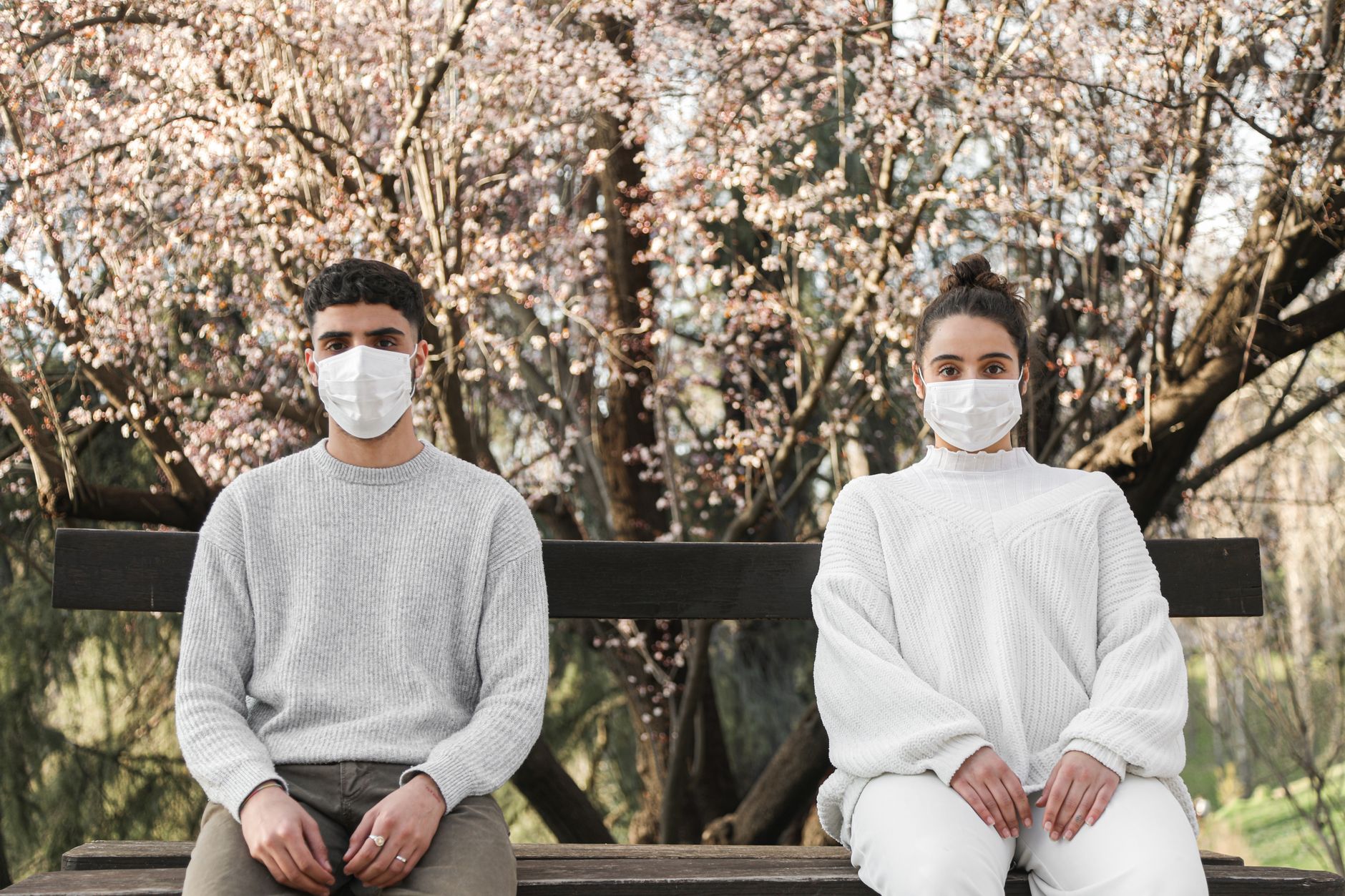
Seasonal transitions are when many people first notice their airways becoming more sensitive: a dry tickle in the throat during the commute, sneezing fits in the office,或 waking up with a stuffy nose even though they are not clearly sick. Temperature swings, shifts in humidity and higher levels of pollen or dust can all challenge the respiratory system at the same time. In these periods, small details in daily life — such as how a room is ventilated, what someone drinks throughout the day or whether they pack an extra scarf — often make a noticeable difference in comfort. This article looks at airway care during changing seasons from an overall lifestyle perspective, with practical tips that readers can adjust to their own routines. The information is for general education only and does not replace consultation with a doctor or other health professional.
Why seasonal changes challenge the airways
When seasons change, the body needs to adapt to wide temperature gaps between morning and evening, sudden cold fronts or stretches of dry indoor heating. The lining of the nose, throat and bronchi works like a protective filter, and abrupt changes in cold or dry air may irritate this lining and make it feel scratchy or reactive. At the same time, outdoor pollen, indoor dust mites and pollutants can be more noticeable when windows are opened after a long time closed or when heaters and air conditioners are switched on again. Many people find that existing sensitivities in the nose or bronchi show up more clearly during these weeks, for example as repeated sneezing when entering an air‑conditioned train or a feeling that a mild cold lingers longer than in summer. Understanding these patterns helps people prepare in advance instead of reacting only when discomfort becomes strong.
Clothing and physical protection for the airways
Thoughtful clothing choices provide a simple physical buffer between the airways and the environment. In regions with cool mornings and warmer afternoons, layering light garments makes it easier to avoid sudden chills when stepping outdoors or moving into heavily air‑conditioned spaces. A soft scarf around the neck and lower face can gently warm and humidify the air before it reaches the throat on windy days, which many people find more comfortable than breathing in cold air directly. For those who cycle or walk near busy roads, masks that fit well and are designed to filter particles can reduce inhalation of dust and exhaust, especially during high‑traffic hours. Indoors, avoiding strong perfumes, cigarette smoke and harsh cleaning fumes reduces extra irritation for sensitive airways. None of these measures is a medical treatment, but together they form a practical layer of everyday protection.
Home environment and air quality
The air at home or in the workplace is where people spend most of their time, so its quality matters during season changes. Regularly airing out rooms helps reduce stuffiness, but timing is important: on high‑pollution or high‑pollen days, short ventilation during lower‑traffic hours is often more comfortable than keeping windows wide open all afternoon. Cleaning routines can focus on dust traps such as carpets, fabric sofas, curtains and bedding, which may harbour dust mites and fine particles. Using a vacuum cleaner with a suitable filter rather than a dry broom helps reduce the amount of dust stirred into the air. In damp climates or during rainy seasons, dehumidifiers or air conditioners set to a moderate humidity can keep rooms from feeling muggy, while in very dry climates, a well‑maintained humidifier set to a balanced level may prevent the air from feeling overly parching. Whatever devices are used, filters and water tanks need regular cleaning to avoid becoming sources of indoor pollution themselves.
Hydration, warm drinks and airway comfort
Adequate hydration is one of the simplest ways to support the natural function of the airway lining. Many office workers discover that they drink less water on busy, cooler days because they do not feel as thirsty as in summer, yet their throat feels rough by late afternoon. Keeping a bottle of water on the desk and taking small sips throughout the day keeps mucus less thick and may make it easier for the body to clear particles. Warm drinks, such as herbal teas or clear soups, are often described as soothing because the warmth and moisture feel pleasant on a dry throat, especially after time in air‑conditioned or heated environments. Some people enjoy Asian‑style recipes with Asian pear, apple, or white fungus as part of seasonal home cooking; these are cultural food traditions rather than medical prescriptions, but they illustrate how different cuisines have long linked certain textures and temperatures with a sense of airway comfort. Individuals with specific health conditions or dietary restrictions should adjust their choices accordingly.
Eating patterns and overall resilience
There is no single food that controls how the airways react to season changes, yet overall eating patterns influence how energetic and resilient someone feels. Diets that emphasise a variety of vegetables, fruits, whole grains and adequate protein give the body the building blocks it needs for normal tissue maintenance, including the cells lining the respiratory tract. In some East Asian traditions, naturally orange or yellow vegetables such as pumpkin or carrots are valued in autumn cooking, partly because of their colour and partly due to their texture in slow‑cooked dishes. From a modern nutrition perspective, such ingredients provide carotenoids and other plant compounds as part of a diverse diet. People who know they have food allergies or intolerances should be especially attentive during seasonal transitions, as unfamiliar seasonal dishes or snacks might contain ingredients that have triggered reactions before. For personalised dietary guidance, consulting a dietitian or other qualified professional is advisable.
Daily habits, movement and rest
Beyond food and environment, everyday habits also influence how the airways feel during weather shifts. Gentle, regular movement such as walking, light jogging or indoor stretching encourages deeper breathing and can make people more aware of how their chest and shoulders are moving. Many find that exercise in fresh air feels pleasant when they choose times and places with cleaner air, such as parks away from major roads or early mornings when pollen counts may be lower in some regions. At the same time, overexertion when already feeling run‑down may leave the throat more scratchy and the body more tired, so pacing is important. Sleep is another major factor: irregular bedtimes and long evenings in dry, heated rooms may leave the nose and throat feeling parched on waking. Simple routines such as placing a glass of water by the bed, avoiding late‑night smoking and keeping screens away from the pillow help many people feel more refreshed, which indirectly supports how they cope with seasonal discomfort.
Hygiene, masks and when to seek help
Good hygiene plays a central role in limiting the spread of common respiratory infections that tend to circulate more actively during season changes. Washing hands with soap and water after public transport, before eating and after blowing the nose is a basic habit that reduces contact with germs on shared surfaces. In crowded indoor spaces, well‑fitting masks can reduce the exchange of droplets between people, which is especially relevant for those with chronic respiratory conditions or for caregivers of young children and older adults. Nasal rinses with saline solutions are used by some individuals to keep nasal passages feeling clear; these should be performed with clean equipment and according to instructions to avoid irritation. It is also important to know when self‑care is not enough. If someone experiences persistent high fever, severe shortness of breath, chest pain or a cough that lasts for weeks, seeking timely medical evaluation is essential. The suggestions in this article are for general wellbeing during seasonal transitions and are not a substitute for diagnosis or treatment from healthcare professionals.
Putting it all together during seasonal transitions
Airway care during seasonal transitions is less about one dramatic change and more about layering many small, realistic habits. A city commuter might combine a light scarf, a reusable mask and a habit of sipping warm tea on the way to work, while also adjusting the home environment with regular dusting and mindful ventilation. A parent might pay extra attention to washing children’s hands after playground visits and keeping indoor air comfortable without being overly dry or humid. Over time, these routines become almost automatic, like carrying an umbrella in the rainy season. Each person’s situation, health history and local climate are different, so readers are encouraged to adapt the ideas that fit their lives and to discuss ongoing respiratory concerns with doctors, nurses or pharmacists. Used in this way, information about seasonal airway care becomes a tool for planning ahead rather than a set of strict rules, helping people move through shifting weather with more ease and awareness.