
As temperatures drop and the air turns crisp, many people notice that their face feels tight after washing, lips crack more easily, or the throat feels scratchy after a long day in air‑conditioned or heated rooms. Autumn dryness is not only about cooler weather; it is a mix of lower humidity, stronger indoor heating, and lifestyle changes such as longer office hours and less water intake. These shifts may leave both the skin and the airways feeling uncomfortable. This article looks at autumn from a daily‑life perspective, explaining why dryness shows up so strongly in this season and how small adjustments in routines, home environment, and product choices can keep skin and breathing more at ease.
Why autumn feels especially dry to skin and airways
In many regions, autumn brings a clear drop in humidity as summer’s moisture fades and cooler winds pick up. When the air holds less water, moisture from the skin’s surface evaporates more quickly, so even people who normally have balanced skin may start to feel roughness or flaking on cheeks and around the mouth. At the same time, the lining of the nose and throat is exposed to drier air, which may lead to that familiar feeling of tightness in the chest or a need to clear the throat more often, especially on days with strong wind or dust. Indoor factors add another layer: long hours in air‑conditioned offices or heated homes can make air even drier, while less frequent ventilation concentrates indoor pollutants that may irritate the airways.
Building an autumn‑friendly skincare routine
When the season changes, using the exact same routine from summer often feels insufficient, especially for those with naturally dry or sensitive skin. One practical approach is to focus on layering lightweight, moisture‑friendly products instead of relying on a single heavy cream. After a gentle cleanse, a hydrating toner or essence with ingredients like glycerin or hyaluronic acid can replenish water, followed by a serum and then a cream or balm to slow evaporation. Many people find that reducing exfoliation frequency in autumn helps the skin maintain its barrier, since over‑exfoliating can make tightness and redness more noticeable. Paying extra attention to delicate areas such as around the eyes and lips with dedicated balms or creams can also make daily life more comfortable when the wind picks up.
Gentle cleansing and bath habits in cooler weather
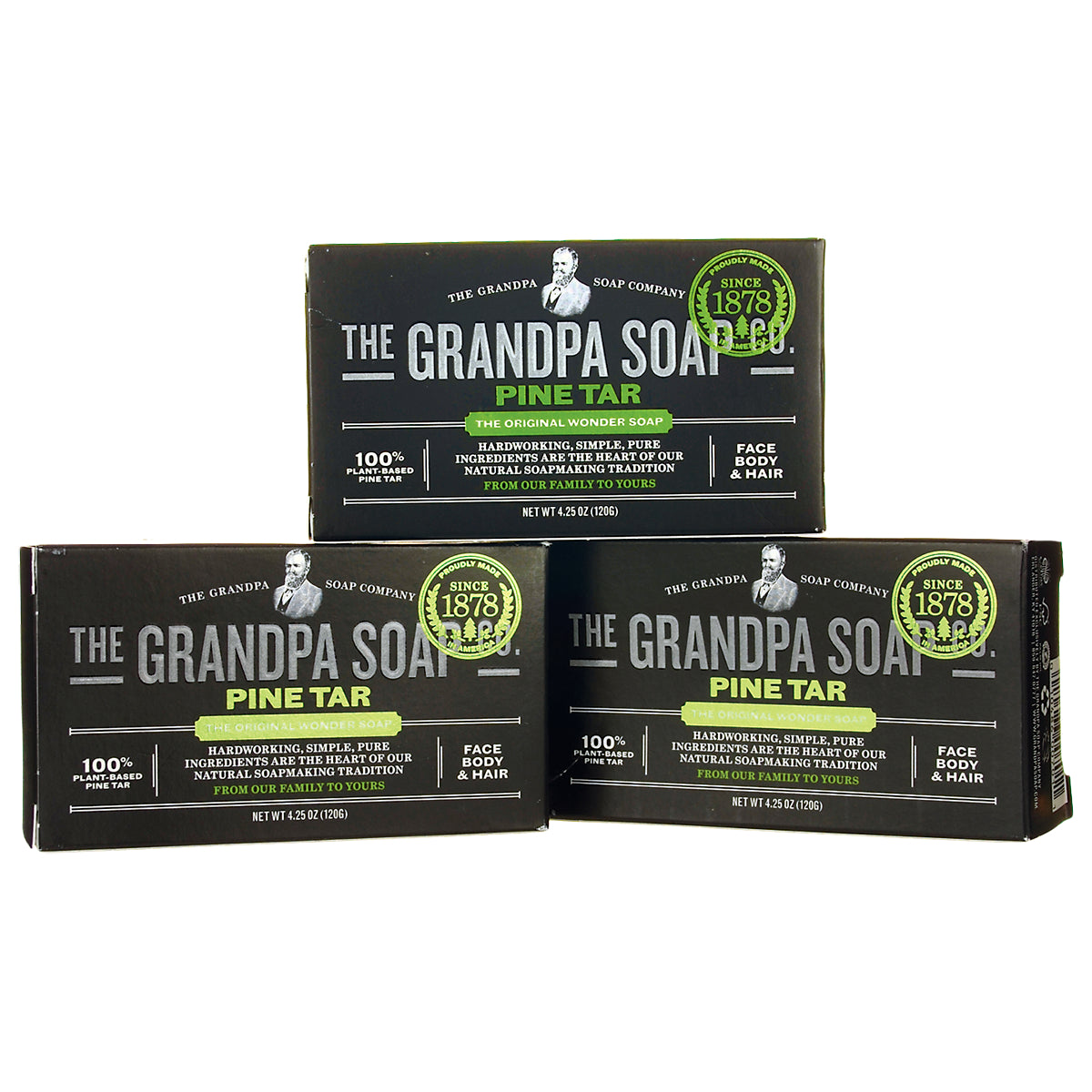
Cleansing is often overlooked when people think about autumn care, yet it plays a central role in how the skin feels throughout the day. Foaming cleansers that worked well on sweaty summer skin may feel too stripping once humidity drops. Switching to a gentle cleanser with milder surfactants or cream textures can reduce that squeaky, tight sensation after washing. Water temperature matters as well: hot showers feel relaxing on a chilly evening, but very hot water can remove natural oils from both facial and body skin, leading to more dryness within hours. Shorter showers with lukewarm water, followed by prompt application of body lotion or oil while the skin is still slightly damp, help lock in comfort. For makeup users, choosing oil or milk cleansers instead of repeated strong wipes can protect the skin barrier across the season.
Supporting airway comfort through environment and habits
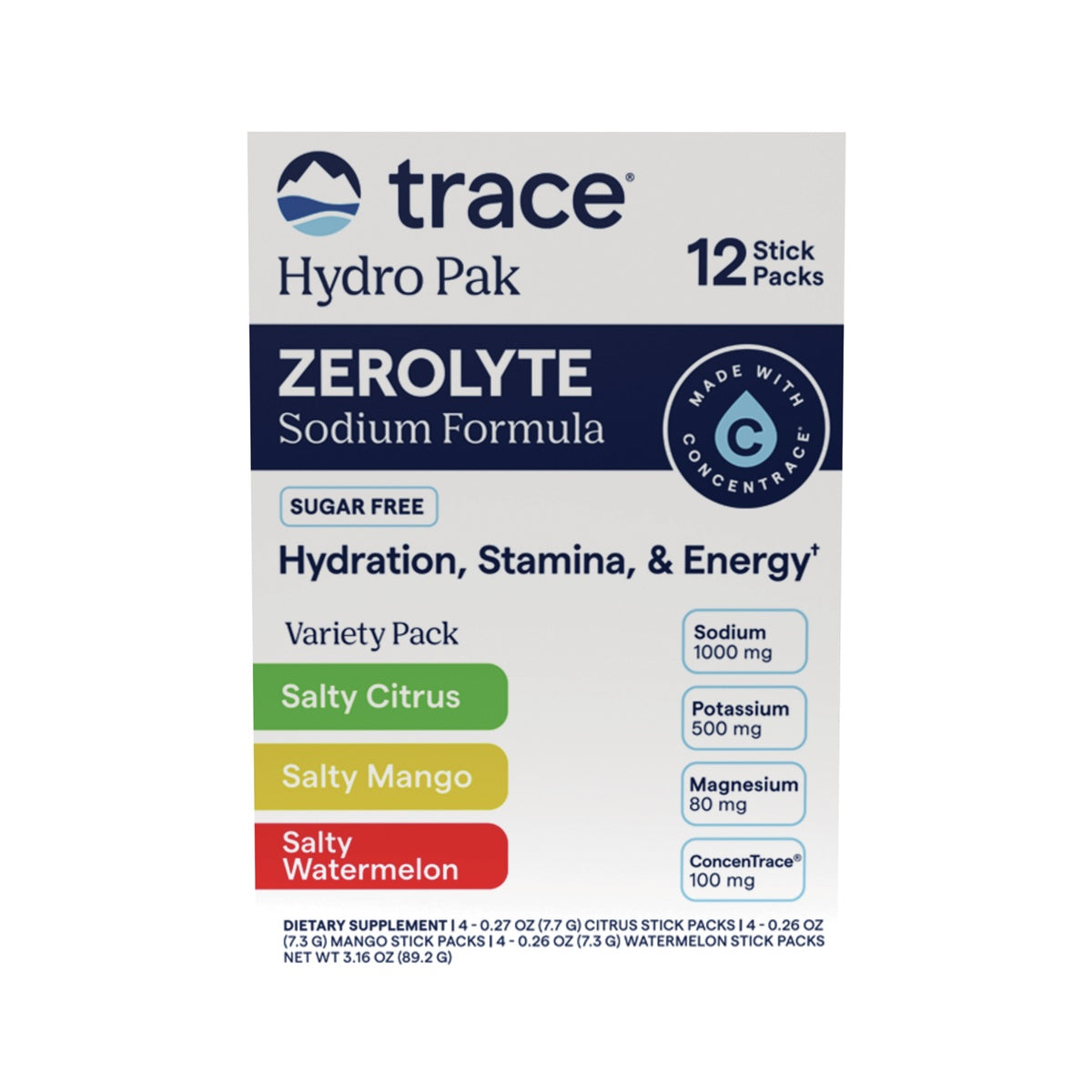
The same dry air that affects skin also passes through the nose, throat, and bronchial tree with every breath. Many people notice a morning scratchy throat, more frequent throat clearing, or a tendency to cough slightly after spending time in heated rooms or on windy days. While these sensations have many possible causes, some simple, non‑medical habits are often used to create a friendlier environment for the airways. Staying mindful of regular water intake throughout the day, instead of drinking large amounts only in the evening, keeps the mouth and throat less parched. Some households place a bowl or mug of warm water on the desk or bedside table, or use a humidifier according to the manufacturer’s instructions, to add modest moisture to the air. Keeping living spaces clean by vacuuming and dusting can reduce the build‑up of dust, pet dander, and other particles that may feel irritating when inhaled.
Clothing, outdoor habits, and seasonal transitions
Autumn weather can shift quickly from daytime warmth to chilly evenings, and this temperature swing is often felt strongly in the neck and chest. Many people find that light layering, such as carrying a scarf or thin jacket, makes commuting and outdoor time more comfortable for both muscles and breathing. Covering the neck in particular reduces exposure to cold wind, which some individuals associate with a tendency to feel tightness in the throat or a need to clear it after being outside. On dry, windy days, wearing sunglasses and masks may also reduce the direct impact of airborne dust on the eyes and airways. Those who enjoy outdoor exercise in autumn can consider gentle warm‑ups and cooldowns, allowing the body to adapt to cooler air rather than moving abruptly from a warm indoor space to intense activity in the cold.
Food and drinks that fit the mood of a dry season
Eating patterns often shift in autumn, with more soups, warm drinks, and seasonal produce appearing on the table. Many traditional food cultures pay special attention to this season, recommending dishes that feel soothing to the throat or leave the skin looking less dull. Warm broths, lightly cooked vegetables, and fruits with higher water content can be both comforting and practical choices after a long day in heated indoor spaces. Some people enjoy drinks made with lemon and honey or herbal teas that feel smooth on the throat, while others focus on foods rich in healthy fats, such as nuts, seeds, and certain fish, as part of a balanced diet that supports the skin’s natural barrier. Anyone with specific medical conditions or dietary restrictions should discuss individual food choices with a healthcare professional or dietitian before making major changes.
Daily routines and when to seek professional advice
Autumn is a good time to review daily routines as a whole, not just products or one‑off remedies. Sleeping hours tend to creep later as evenings get longer, yet consistent, adequate sleep is closely linked with how the skin looks and how resilient people feel to everyday stressors. Limiting long, late‑night screen sessions, ventilating rooms regularly, and creating a simple wind‑down ritual can all contribute to overall comfort through the season. If skin becomes very red, itchy, cracked, or painful, or if breathing feels difficult, noisy, or persistently uncomfortable, it is important not to rely on general wellness tips alone. In such situations, consultation with a dermatologist, family doctor, or respiratory specialist can provide assessment and personalised advice. The information in this article is for general reference only and does not replace professional medical evaluation, diagnosis, or treatment.