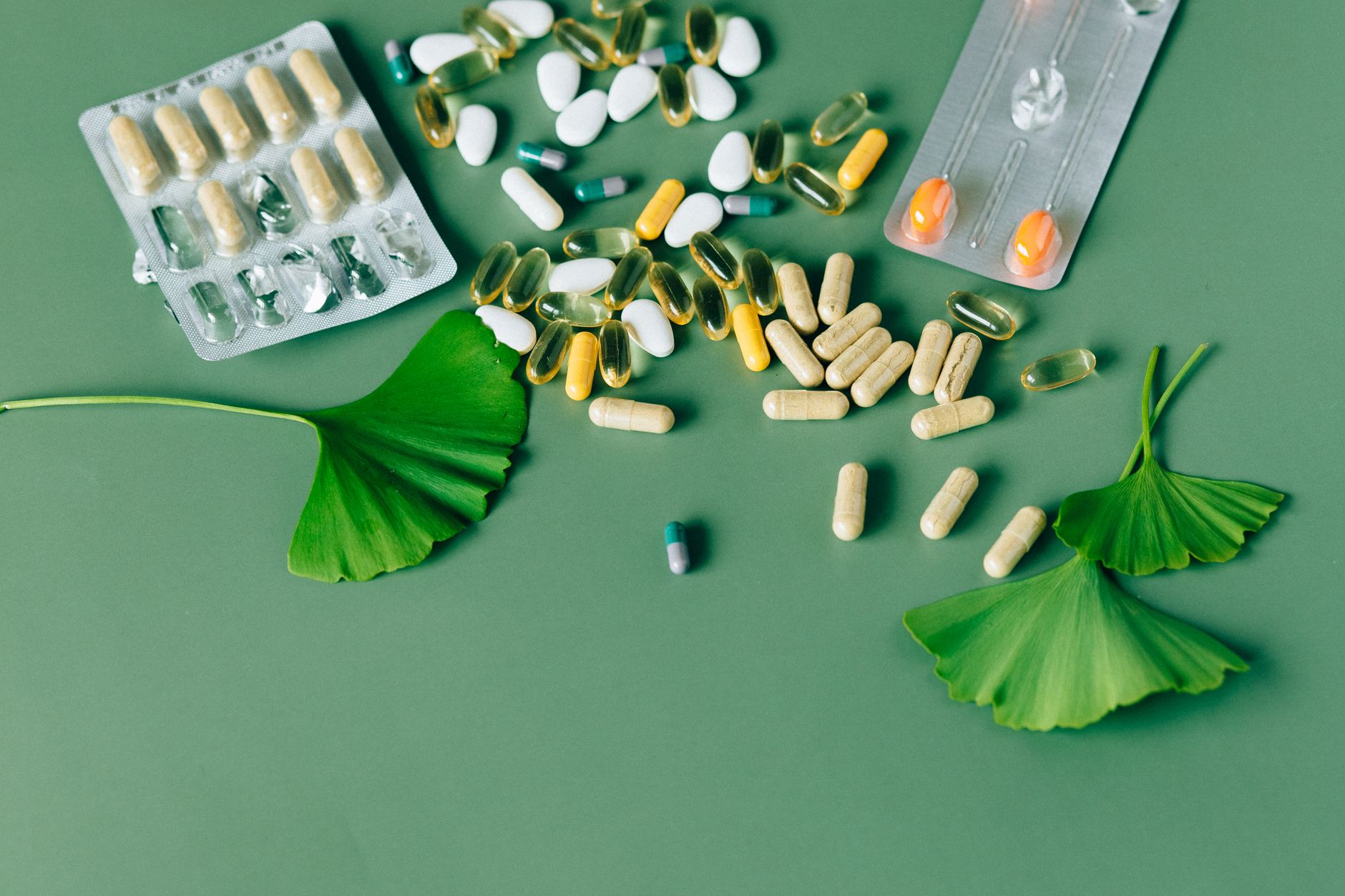
Many people are drawn to products described as natural supplements, assuming they are automatically safer or more suitable for long‑term use than conventional options. Marketing messages often highlight herbal ingredients, plant extracts, or traditional formulas to create a sense of comfort and familiarity. Yet the label “natural” can be vague, and different brands may use it in very different ways. Before choosing any supplement, it is important to understand what this term actually covers, how it relates to ingredient quality and safety, and which factors matter more than the slogan on the package.
What does “natural” really mean on supplement labels?
When a supplement is promoted as natural, it usually suggests that ingredients come from plants, minerals, or other non‑synthetic sources. However, there is no single global standard that defines how natural a product must be to use this wording. Some formulations may include whole herbs or minimally processed extracts, while others combine natural origin ingredients with highly refined compounds or added fillers. The manufacturing process also changes the character of a substance, which means a plant extract can behave quite differently from the raw herb. For consumers, this makes it important to look beyond the front‑of‑pack claim and examine the ingredient list, concentration, and any available quality assurance data.
Why “natural” does not automatically mean safer
The idea that natural equals safer is common, but it does not always match real‑world experience. Many plants contain strong active compounds that can influence the body in meaningful ways, and some can be harmful in large amounts or for specific groups such as pregnant people or those with chronic conditions. A supplement derived from nature can still cause side effects like digestive discomfort, skin reactions, or changes in blood pressure, depending on the ingredient and dose. In addition, contamination with heavy metals, pesticides, or microbes is possible if cultivation and processing are not well controlled. Safety depends more on evidence, manufacturing standards, and appropriate use than on whether the source is natural or synthetic.
The role of dosage, quality control, and evidence
Whether a supplement is natural or not, dosage and quality control are key to how suitable it is for regular use. Concentrated extracts can deliver much higher amounts of active compounds than traditional food or tea, so serving size and frequency matter. Reputable brands usually provide clear information about standardized extract levels, batch testing, and adherence to good manufacturing practices. Evidence from clinical studies, traditional use, or safety monitoring reports can also help clarify which ingredients fit certain situations and which carry more uncertainty. Without these details, a natural label alone does not offer enough information for a well‑informed decision.
Common myths about natural supplements
Several recurring myths about natural supplements shape how people interpret marketing claims. One frequent belief is that natural products are gentle enough for everyone, including children and older adults, which may encourage self‑selection without checking for potential risks. Another misconception is that combining multiple natural formulas is always fine as long as they come from plants, ignoring that similar ingredients can add up or influence the same body systems. Some users also assume that traditional remedies used for generations are automatically suitable for modern lifestyles, even though diet patterns, stress levels, and medical treatments have changed. Recognizing these myths helps readers question slogans and focus on concrete information such as composition and instructions.
Interactions with medications and individual differences
Natural supplements can interact with medications or underlying conditions, so personal context matters. Certain herbs may affect how the liver processes drugs, changing their concentration in the body. Others can influence blood clotting, heart rhythm, or hormone levels, which might be relevant before surgery or in long‑term treatment plans. Individual differences such as allergy history, digestive sensitivity, or overall body constitution also play a role in how someone responds to a given product. For example, one person may tolerate a particular plant extract well, while another experiences headaches or rashes. These variations show why generalized claims about natural formulas being suitable for everyone can be misleading.
How to evaluate natural supplement products more carefully
A more balanced approach is to treat natural supplements as one option among many, evaluated using consistent criteria rather than special trust. Reading labels for dosage, active ingredients, and added components such as sweeteners or carriers is a practical starting point. Looking for third‑party testing, clear contact information, and transparent sourcing can provide extra assurance about manufacturing quality. Paying attention to how a product fits into the overall lifestyle—diet, sleep, physical activity, and existing medical treatment—also makes a difference, since supplements are usually only one part of a broader routine. When in doubt, noting any unusual reactions and reassessing use rather than continuing automatically helps maintain a cautious attitude.
In the end, natural supplements are not automatically better or worse than other options; they are simply products that need the same level of scrutiny and context‑based judgment. The natural label can be a starting point for understanding ingredients, but it should not replace careful reading, awareness of personal health status, or discussion with a professional. Because health‑related decisions can have long‑term consequences, information in articles like this is best treated as general guidance only. People with ongoing conditions, medication use, or specific concerns are encouraged to consult healthcare providers for personalized advice before adding or changing any supplement in their routine.