
The gut and immune system are connected through a constant exchange of signals, nutrients, and microbial activity. The digestive tract is not simply a passageway for food; it contains a large concentration of immune tissue and a complex community of bacteria, fungi, and other microorganisms. Together, these components help the body distinguish between harmless food, resident microbes, and potentially harmful invaders. Understanding this relationship can make everyday food and lifestyle choices more informed, while also clarifying why no single food, supplement, or routine can guarantee a particular health outcome. This article explains the connection in practical terms and keeps the discussion within general health information rather than personal medical advice.
Why the Gut Matters to Immune Function
The intestinal tract contains gut-associated lymphoid tissue, commonly called GALT, which participates in local immune surveillance. Its position is significant because the gut is exposed to food compounds and microbes every day. The immune system must respond to genuine threats without reacting unnecessarily to every harmless substance that enters the digestive tract. Research reviews describe the gut microbiota and immune system as mutually influential: microbial signals shape immune development, while immune activity also affects which microbes can thrive. This relationship is dynamic rather than fixed, changing with age, diet, illness, medication exposure, stress, sleep, and other aspects of daily life. The National Institute of General Medical Sciences notes that the gut microbiome plays an important role in controlling immune activity, while research literature describes the intestinal microbiota as part of the body’s defense against pathogen colonization.
For example, a diverse microbial community can occupy ecological space and compete with incoming organisms for nutrients and attachment sites. Some gut microbes also produce compounds that interact with intestinal cells and immune cells. These signals do not operate like a simple on-and-off switch, and a larger number of bacteria is not automatically better. The relevant question is whether the overall community, intestinal lining, and immune responses remain appropriately coordinated. Individual differences are substantial, so a food or supplement that suits one person may cause discomfort or provide little noticeable value to another.
The Intestinal Barrier and Immune Communication
The intestinal barrier includes the mucus layer, epithelial cells, cell-to-cell junctions, immune molecules, and the microbial community that lives near the gut lining. Its role is selective: nutrients and water must pass through, while many unwanted substances and organisms should remain outside deeper tissues. This barrier is supported by several overlapping mechanisms rather than one physical wall. Scientific reviews describe microbial metabolites such as butyrate as relevant to epithelial barrier integrity and immune signaling, although the effects depend on the wider biological context and the person’s health status.
When the barrier and its surrounding ecosystem are functioning in a coordinated way, immune cells receive information from the intestinal environment and can respond proportionately. Gut microbes also interact with innate immune receptors and may influence adaptive immune processes, including the activity of T cells and antibody-producing pathways. These findings help explain why digestive symptoms, dietary patterns, infections, and medication use can be discussed alongside immune health. They do not mean that every digestive complaint indicates an immune disorder, nor do they support self-diagnosis based on microbiome claims found online.
How Food Shapes the Gut Microbiome
Food is one of the most practical influences on the gut microbial environment because it supplies both nutrients and substrates for fermentation. A varied eating pattern that includes vegetables, fruit, beans, lentils, whole grains, nuts, and seeds can provide different types of dietary fiber. Gut microbes ferment some fibers into short-chain fatty acids, including acetate, propionate, and butyrate. These compounds are studied for their roles in communication between microbes, intestinal cells, and immune pathways, but their presence should not be presented as a guaranteed treatment or a substitute for medical care.
A realistic example is a gradual shift from a highly repetitive, low-fiber routine toward meals that include oats at breakfast, beans or lentils at lunch, vegetables at dinner, and fruit or unsalted nuts as snacks. Gradual changes may be easier to tolerate than suddenly adding large amounts of fiber, especially for people who already experience bloating or altered bowel habits. Adequate fluids and attention to personal tolerance also matter. Fermented foods such as yogurt with live cultures, kefir, kimchi, or sauerkraut may fit some diets, but product quality, sodium content, added sugar, allergies, and individual tolerance should be considered rather than assuming that every fermented product has the same effect.
Daily Habits Beyond the Plate
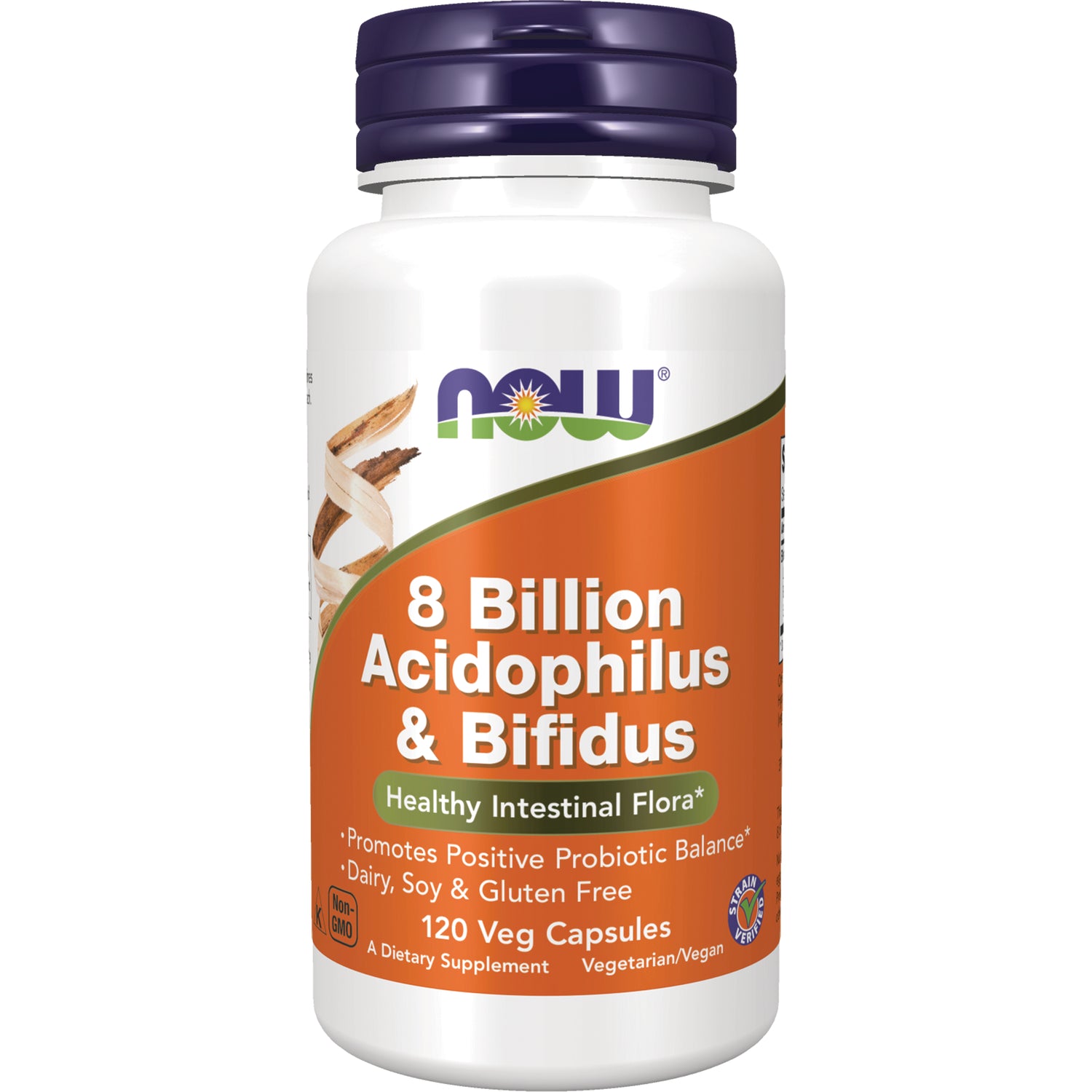
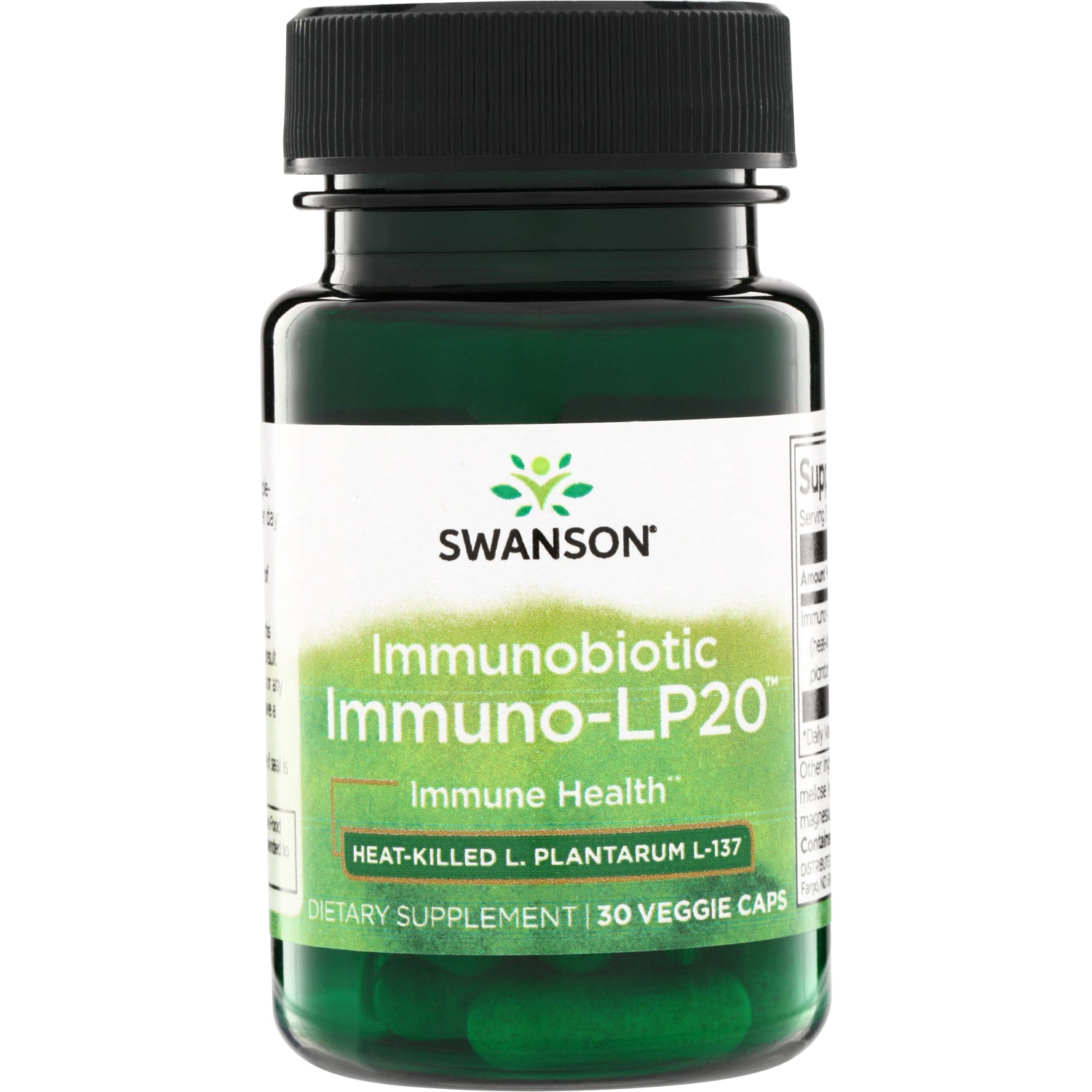
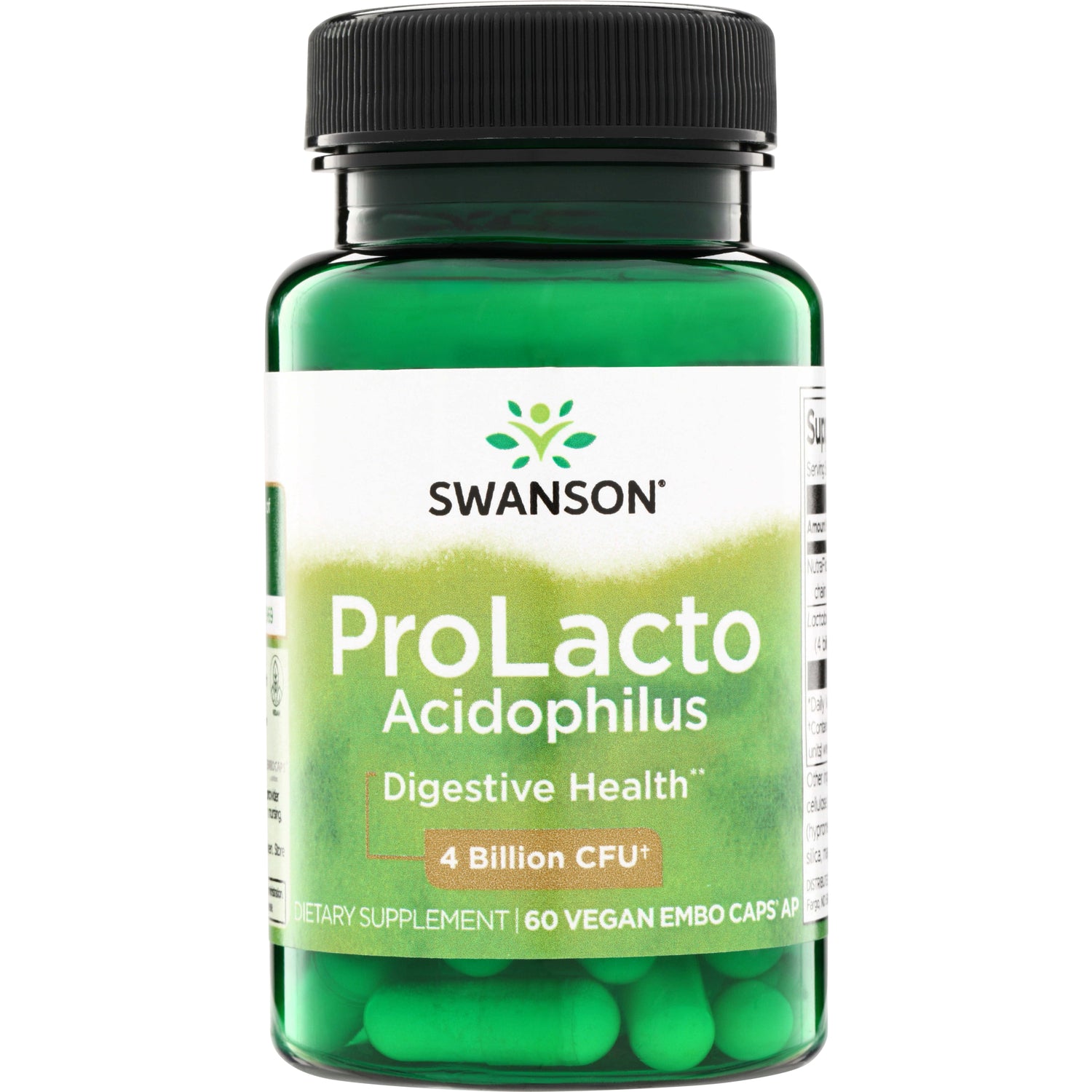
Gut and immune health are influenced by more than food. Regular movement, sufficient sleep, stress management, and appropriate use of medicines all form part of the wider context in which the microbiome operates. Antibiotics can be essential and medically appropriate, but they may also alter microbial communities; stopping a prescribed course early or avoiding needed treatment because of microbiome concerns is not a safe strategy. Nonprescription products marketed as probiotics, prebiotics, or microbiome solutions also vary in strains, doses, labeling quality, and evidence.
A practical routine might include consistent sleep and meal timing, moderate physical activity suited to the person’s abilities, and meals built around minimally processed ingredients most of the time. Keeping a short food-and-symptom record can help identify patterns, but it should not be used to create unnecessarily restrictive diets. Persistent diarrhea, blood in the stool, unexplained weight loss, fever, severe abdominal pain, repeated vomiting, or symptoms that disrupt daily life warrant professional evaluation. People who are pregnant, immunocompromised, taking complex medication regimens, or managing chronic digestive disease should seek individualized advice before using supplements or making major dietary changes.
Common Misunderstandings About Gut Immunity
One frequent misunderstanding is that the microbiome can be “reset” instantly by a single drink, capsule, or short cleanse. Microbial communities are shaped by long-term diet, environment, medication exposure, age, and host biology, so brief marketing claims rarely capture the full picture. Another misconception is that more probiotic bacteria always means better health. Probiotic effects are strain-specific and context-dependent, and not every product has been studied for every intended use.
It is also misleading to treat the gut as an isolated organ. The microbiome communicates with intestinal immune tissue and may influence signals beyond the digestive tract, but these pathways are complex and still under active study. A balanced interpretation separates established principles from early findings: dietary variety, adequate nutrition, and appropriate medical care are reasonable foundations, whereas claims that a particular product can prevent or cure broad categories of disease require careful scrutiny. Readers should check whether a claim names a specific strain, population, outcome, and source rather than relying on vague language about “detoxifying” or “boosting” immunity.
A Practical, Evidence-Aware Approach
Supporting the gut–immune relationship does not require perfection or expensive products. The most sustainable approach is to build meals around a range of plant foods, include protein and healthy fats, introduce fiber gradually, drink according to thirst and medical guidance, and maintain regular movement and sleep. These habits support general nutrition and digestive well-being, but they should be described as supportive foundations rather than guaranteed medical interventions. The gut microbiome is individual, and a plan that causes pain, anxiety, or severe restriction is not automatically healthier.
Before purchasing a supplement, readers can ask what exact ingredient or microbial strain it contains, what population was studied, whether the product has relevant quality testing, and whether it could interact with medication or an existing condition. A clinician or registered dietitian can help interpret persistent symptoms and determine whether testing or treatment is appropriate. General health information is for reference only; new, severe, or ongoing symptoms should be discussed with a qualified healthcare professional. A careful, varied, and sustainable routine is more reliable than chasing a single “perfect” gut-health solution.
The information in this article is for reference only and does not constitute professional advice. For specific decisions, please consult a relevant professional based on your personal situation.