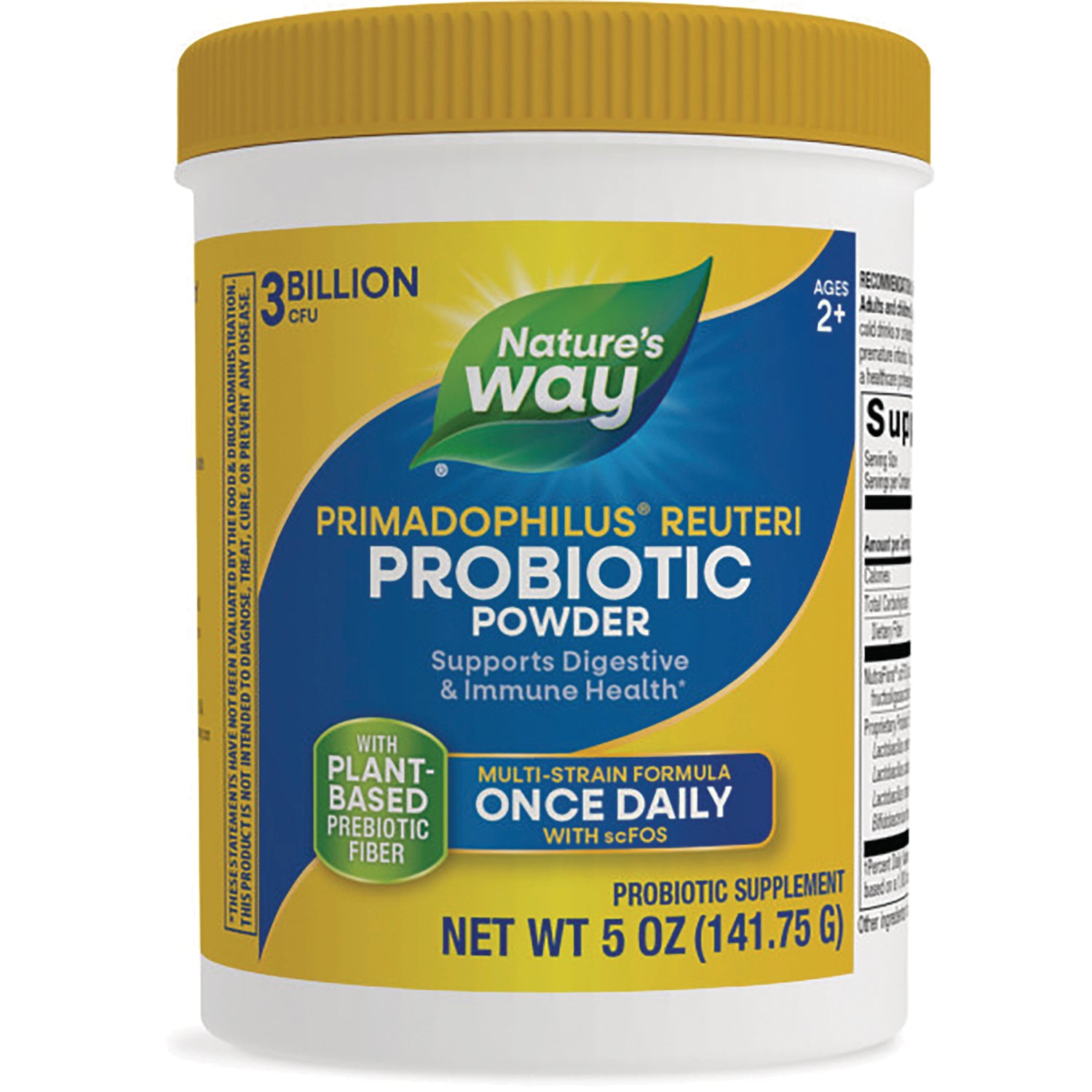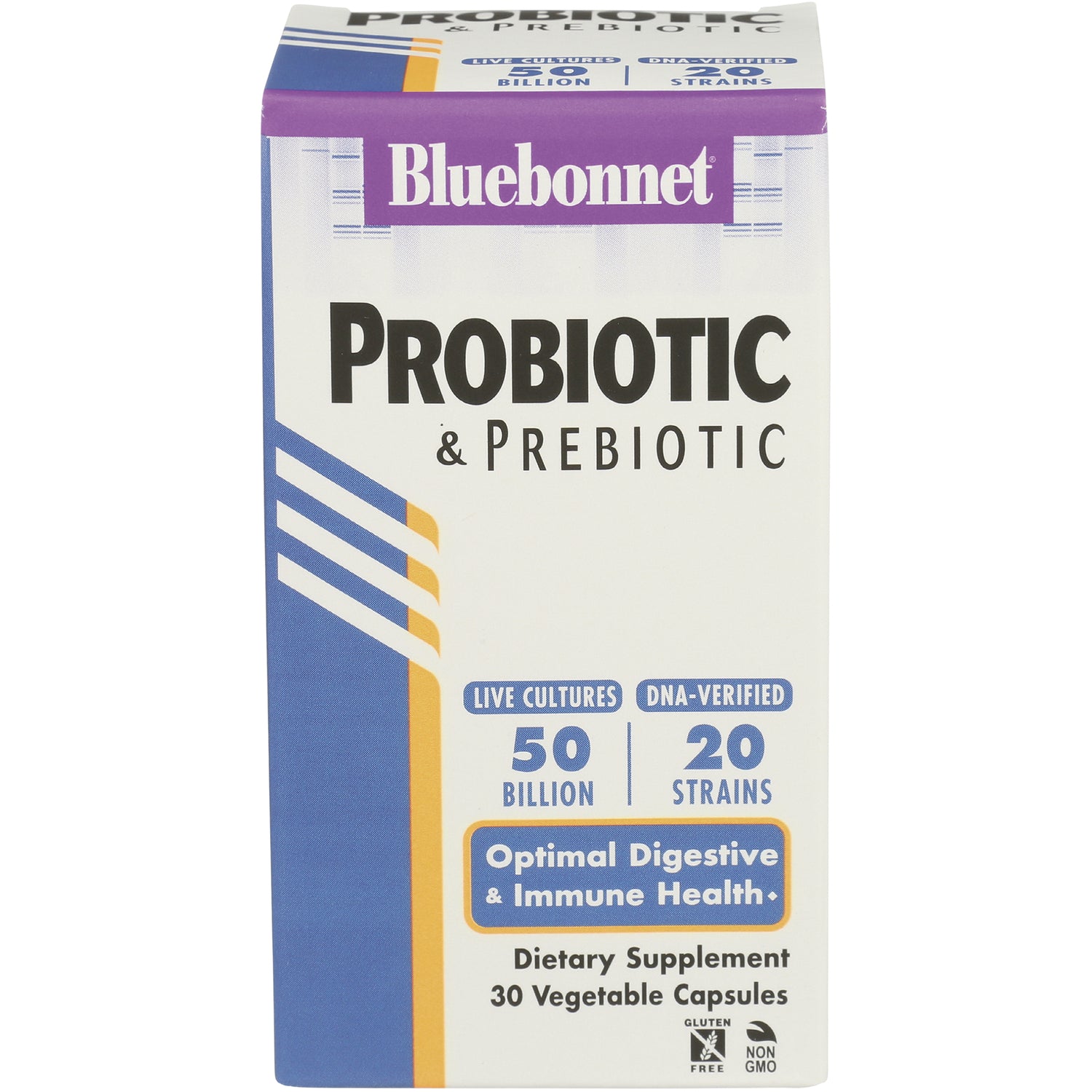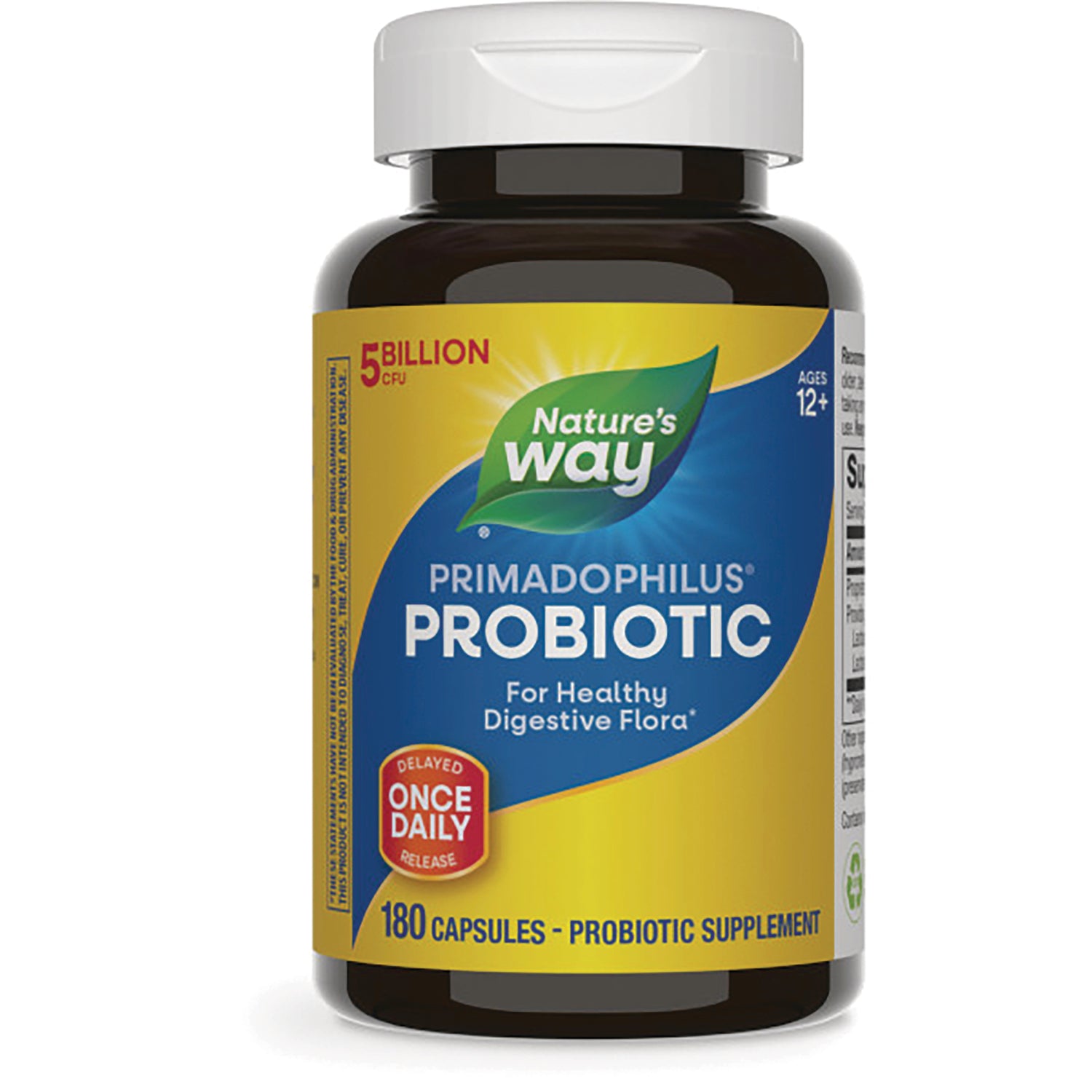

Probiotic powder and capsules each have clear use cases
Choosing between probiotic powder and capsules is usually less about which format is universally better and more about which one fits a person’s routine. Some readers care most about convenience at work or while traveling, while others pay attention to ingredient lists, packaging, or how easy the product is to take every day. In practice, the better format is often the one that matches the user’s schedule and habits, because consistency matters when evaluating a supplement over time.
What people usually notice first: convenience and taste
For many buyers, the first difference is daily convenience. Powder can be easier for people who dislike swallowing pills, and it may feel more flexible for mixing into water or taking after meals at home. Capsules are often preferred by people who want a quick, no-fuss routine, especially during busy commutes, office hours, or travel days. Taste also matters: powder may have added flavors or sweeteners, while capsules usually keep the taste more neutral.
Ingredient lists and formulation can matter more than the format
The format alone does not tell the whole story, because product quality depends on the full formulation. Some powder products are designed to be simple and easy to mix, while some capsule products are chosen for their neat packaging and reduced flavoring. Shoppers often compare the strain names, labeled CFU count, expiration date, and whether the product uses extra flavoring or sweeteners. For people who read labels carefully, the key question is not just powder or capsule, but what is inside each serving.
Storage, portability, and lifestyle are practical deciding factors
Packaging and storage are another important part of the decision. Powder products may come in sachets or sealed containers, which can be convenient for home use but less tidy for some daily carry situations. Capsules are often simpler to put in a bag, desk drawer, or travel kit, which makes them appealing for people who need a portable option. On the other hand, users who want to avoid large capsules or who prefer a more visible serving amount may lean toward powder.
Different users often prefer different formats
There is no single best choice for everyone, because the ideal format depends on age, routine, and personal preference. Office workers may value compact packaging and speed, parents may look for easy daily use, and older adults may care about swallowing comfort. Some users also prefer powder when they want a product that feels more adaptable to morning routines, while others choose capsules because the serving process feels simpler and more consistent. The most practical approach is to compare the format with the person’s actual daily habits.
How to choose a format that fits the user
A useful way to decide is to start with the question, “What makes this product easiest to take every day?” If swallowing pills is a problem, powder may be a better fit. If portability and simplicity matter more, capsules may be more practical. It also helps to compare the label, packaging, and ingredient list before deciding, rather than choosing based on format alone. For health-related choices, readers may also want to ask a pharmacist, dietitian, or healthcare professional for advice that matches their situation.