
Spring is often seen in East Asian traditions as the season that corresponds to the liver, a time when nature starts to grow and the body is thought to respond to this rising energy. In modern life, people frequently face long desk hours, late nights, rich food and alcohol, which can place extra burden on the liver’s metabolic work. Spring therefore becomes a good reminder to review eating habits, adjust daily routines, and notice emotional balance. This article looks at spring liver care from a lifestyle perspective, blending traditional concepts with practical, easy-to-apply ideas. All information is for general wellness reference and does not replace professional medical advice; anyone with liver disease or chronic conditions should discuss individual plans with a healthcare professional.
Spring and the liver: how seasonal thinking shapes habits
In traditional Chinese medicine, spring is associated with the element wood and the liver, symbolising growth, flexibility and smooth circulation. Many people use this seasonal concept as a framework to reflect on daily choices rather than as strict medical rules. The idea is that when the season changes from cold to warm, the body gradually shifts from conserving energy to becoming more active, so diet and routine can also move from heavy and greasy to lighter and fresher. For office workers or students who often stay indoors, spring is a chance to add more outdoor movement, sunlight and fresh air, which may support overall circulation and mood. Seen this way, spring liver care is less about special remedies and more about coordinating lifestyle with the rhythm of the environment.
Key spring diet principles: light, green and balanced
For spring liver care, many traditional sources emphasise light, simple meals and seasonal produce rather than extreme restrictions. A practical approach is to build plates around vegetables, whole grains and moderate protein, while keeping fried, heavily salted and very sweet foods as occasional choices. Green vegetables are particularly highlighted because they are in season in many regions and fit the idea of “green entering the liver” in five-colour eating. Dishes using broccoli, spinach, celery, leafy greens, asparagus or pea shoots can be rotated through the week to keep variety. Instead of very sour or very spicy dishes every day, a balanced mix of gentle flavours is often easier on digestion, which indirectly supports overall comfort and energy during the seasonal transition.
Green vegetables and colour-based eating ideas
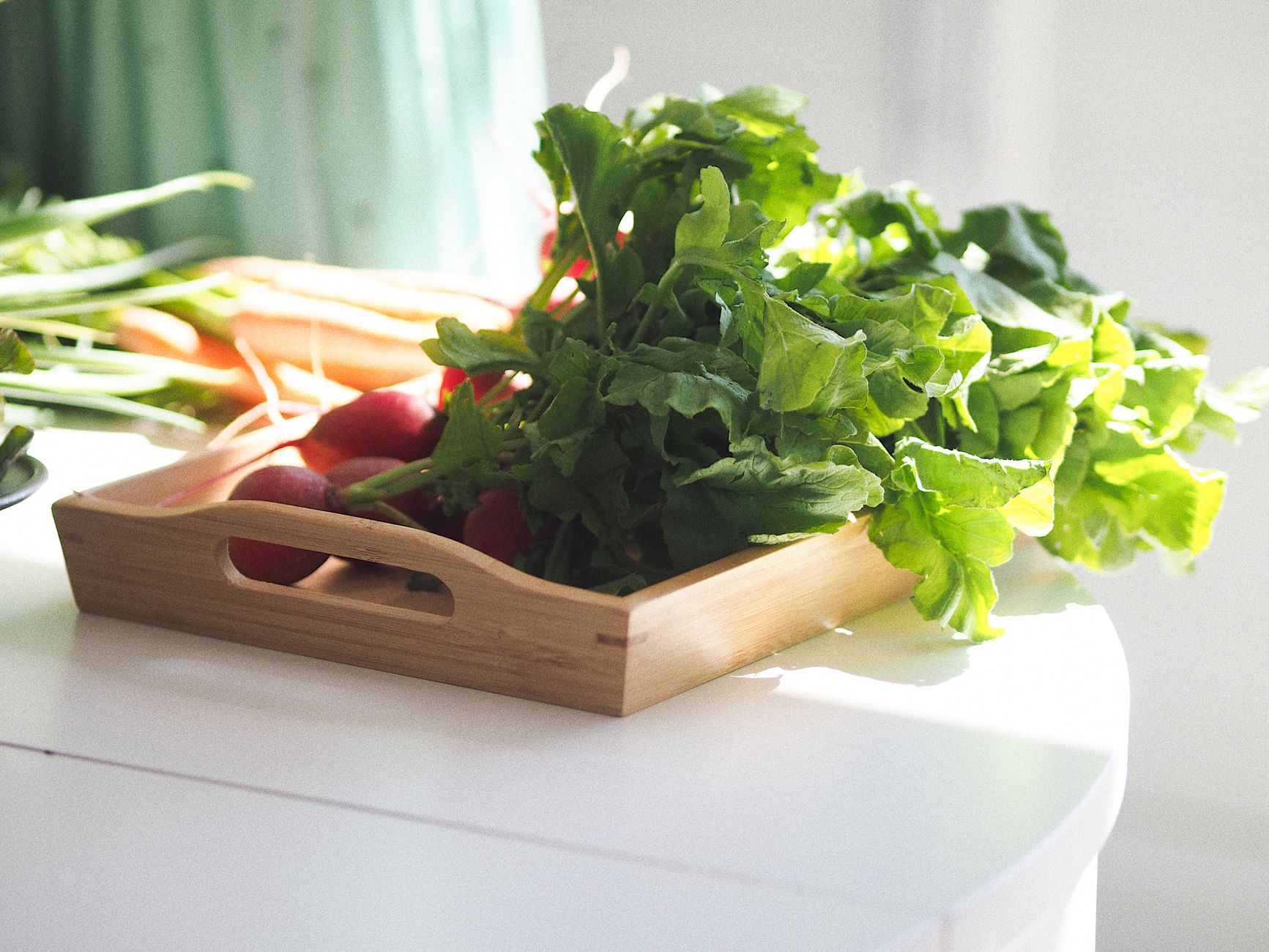
Colour-based eating does not replace nutrition science, but it can help people remember to diversify plant foods. In spring liver care, green vegetables are seen as especially suitable because they are often rich in fibre and various micronutrients. A simple weekday pattern might include a warm spinach and egg soup for breakfast, mixed salad with broccoli and peas at lunch, and stir-fried leafy greens with brown rice at dinner. People who do not enjoy raw salads can lightly blanch vegetables or cook them in soups to make them easier to digest. Rotating different green items, such as cabbage, bok choy, kale or choy sum, prevents boredom and broadens nutrient intake. Some individuals also like to add green fruits such as kiwi or green grapes as snacks, which can fit spring themes while adding natural sweetness.
Balancing flavours: gentle sweetness and moderate sourness
Traditional texts often mention ideas such as “reducing sour and gently increasing sweet” in spring, which many modern practitioners interpret as avoiding overly intense sour foods that feel contracting. In practice, this may mean not relying every day on very sour pickles, strong vinegars or large amounts of citrus if they make the stomach uncomfortable. At the same time, a mild natural sweet taste from whole foods like sweet potatoes, red dates, oats or pumpkins can be used to build satisfying meals without heavy sugar. This kind of sweetness is different from refined sugar in desserts or sweetened drinks, which can be easy to overconsume. The aim is not to cut out any one taste completely, but to let gentle sweetness and balanced seasoning support stable energy and appetite through the day.
Daily routine and emotional care for the liver
Liver care in spring is not only about food; sleep and emotions are often described as just as important. Many traditional views suggest that late nights may interfere with the body’s restorative processes, so aiming for a regular bedtime before midnight can be a useful guideline for most adults. While exact hours vary by individual, a consistent schedule usually helps mood and concentration. Emotionally, anger and prolonged stress are frequently linked with the liver in traditional theory, echoing modern observations that pressure at work or home can affect digestion, sleep and overall comfort. Simple practices such as deep breathing, gentle stretching after long meetings, or short walks in parks during lunch breaks can give the mind time to reset. When stress feels overwhelming, seeking support from counsellors or mental health professionals is advisable.
Gentle exercise and stretching to support spring energy
In many cultures, spring is considered a good time to return to outdoor movement after a relatively quiet winter. For liver care, traditional advice often focuses on smooth, flowing exercises rather than intense strain. Activities such as tai chi, yoga, light jogging, brisk walking, or simple stretching in the morning can help muscles feel more flexible and may support circulation. People who wake with stiffness can start with a short series of neck, shoulder and hip stretches by an open window to get fresh air. The goal is not athletic performance but a feeling of relaxed openness in the chest and sides of the body, areas often linked with the liver in TCM theory. Those with heart, joint or liver conditions should adapt intensity under medical guidance, increasing duration slowly instead of making sudden changes.
Herbal teas, soups and spring-friendly ingredients
Many households like to prepare herbal teas or light soups in spring, drawing inspiration from traditional recipes. Common combinations include chrysanthemum with goji berries, or light broths with root vegetables and a few medicinal herbs chosen by a practitioner. These drinks are usually consumed in moderate amounts as part of daily hydration, not as replacements for prescribed medication. When choosing ingredients, it is important to consider individual constitution and existing illnesses; for example, people with kidney or liver disease should consult doctors or registered dietitians before adding unfamiliar herbs. For those who prefer simpler options, warm water, mild roasted barley tea or unsweetened green tea at suitable caffeine levels can also match the spring theme. Any new recipe that causes discomfort, such as palpitations or digestive upset, should be discontinued and discussed with a professional.
Putting it together: practical spring liver care routine
A realistic spring liver care plan focuses on small, repeatable habits rather than complicated rules. A typical day might start with a warm drink, a breakfast including some whole grains and lightly cooked greens, followed by a short stretching routine. Lunch could centre on seasonal vegetables, balanced protein and a reasonable portion of carbohydrates, with heavy fried foods kept as occasional treats instead of everyday staples. In the evening, gentle walks or relaxed indoor exercise, along with limited screen time before bed, can support better sleep. Throughout the season, moderating alcohol, not smoking, and having regular health check-ups remain important for liver health in modern medicine. All suggestions in this article are for general education and should be viewed as complementary lifestyle ideas; personalised advice from physicians or other qualified professionals remains essential, especially for anyone with diagnosed liver conditions.