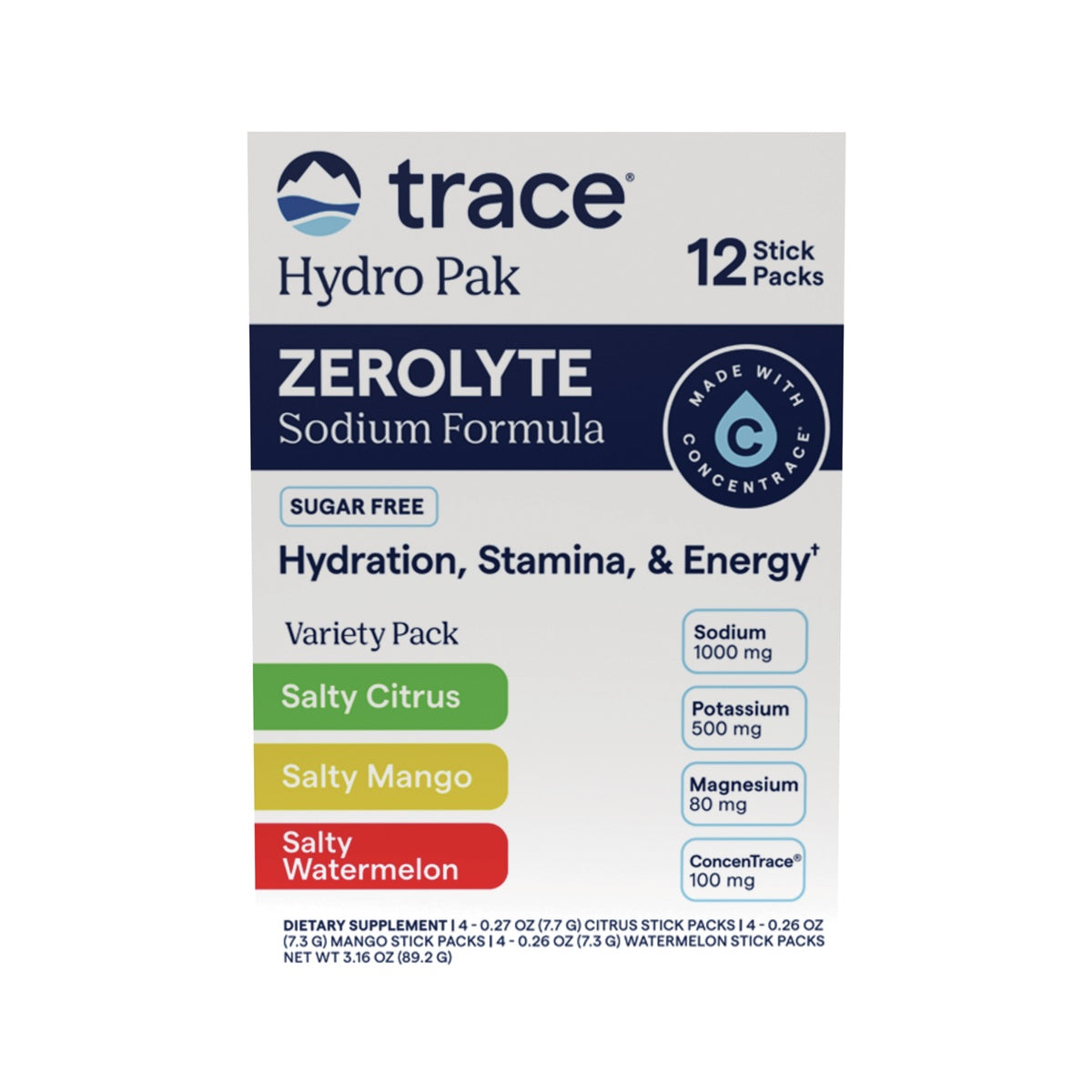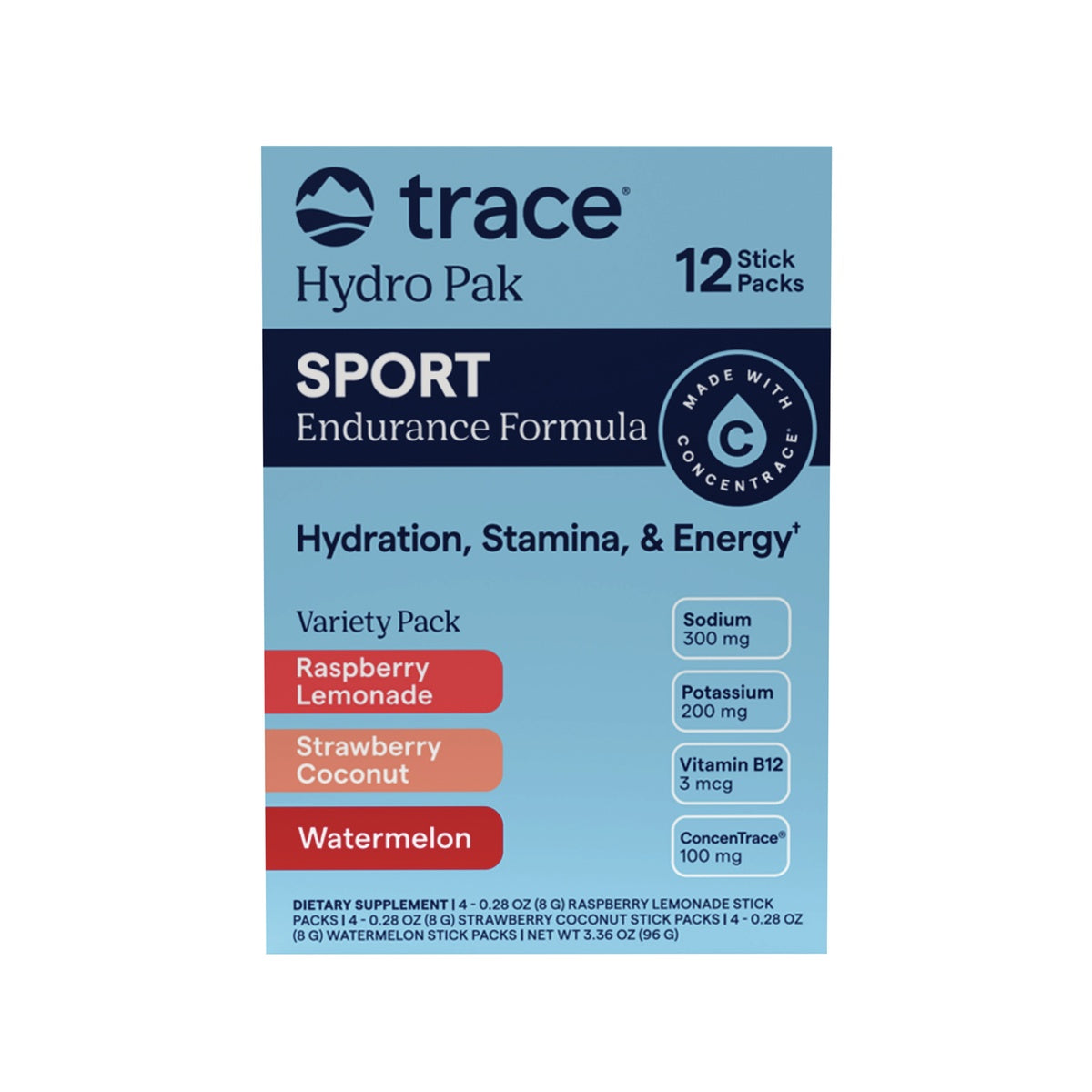

Many adults add vitamins, herbal formulas, or protein powders to their routine, hoping to feel more energetic or support long-term wellness. Supplements are easy to buy online, come in eye-catching packaging, and often sound simpler than changing sleep, exercise, or diet. Yet when several products are taken at the same time, or doses quietly creep up over months, some people begin to wonder whether this habit is truly harmless. This article looks at what can happen when intake is higher than the body needs, why “more” does not always mean “better,” and how to think about supplements as one small part of a broader lifestyle.
What counts as “too many” supplements?
“Too many” does not only mean a large pile of pills on the table; it can also describe a combination that overlaps in ingredients or is not matched to a person’s health status. For example, someone might take a multivitamin, a separate vitamin C, and an immunity blend that also contains vitamin C, without realizing the total amount has multiplied. Another person may use several herbal products that all affect the liver or kidneys. The body has ways to handle extra nutrients, but these systems have limits, and exceeding them regularly can place avoidable stress on organs. Rather than focusing only on the number of bottles, it is more useful to review doses, repeated ingredients, and whether there is a clear reason to use each product.
Potential risks of overusing vitamins and minerals
Vitamins and minerals are essential, yet in high amounts some can become problematic. Fat-soluble vitamins such as A, D, E, and K are stored in the body more easily than water‑soluble ones, so taking high-dose capsules on top of fortified foods may gradually lead to excessive levels. Certain minerals, like iron or zinc, can also be a concern when taken for long periods without medical guidance, especially for people with underlying conditions. Symptoms of excess intake can be vague at first, such as stomach discomfort, nausea, or headaches, which makes them easy to overlook. In more serious cases, very high doses can affect organs like the liver or disrupt the balance of other nutrients, which is why long-term, high-dose use should be discussed with a healthcare professional.
Interactions with medications and medical conditions
Another concern is how supplements interact with prescription or over-the-counter medicines. Some herbal ingredients may influence how quickly the body breaks down drugs in the liver, which can change the amount of medication circulating in the bloodstream. For instance, a product that speeds up breakdown might reduce the effect of a medication, while an ingredient that slows it down might increase side effects. People with kidney or liver conditions, heart disease, diabetes, or blood clotting disorders are often more sensitive to these shifts. Combining several supplements that affect the same body system may add up in unexpected ways, even when each product seems modest by itself. Because of this, pharmacists and doctors usually encourage patients to share a complete list of everything they take, not just prescription drugs.
Reading labels and understanding serving sizes
Product labels can look technical, but learning how to read them makes it easier to avoid unintentional excess. A key step is to check the serving size, because some labels list nutrients “per 2 tablets” or “per scoop,” while people may assume the numbers refer to a single pill. It is also important to compare the “amount per serving” with the percentage of daily value, as very high percentages may signal a concentrated formula that is meant for short-term use only. When using more than one product, looking for repeated ingredients can reveal where doses stack up. For example, a person might find vitamin B6, magnesium, or certain herbal extracts in several different bottles. Keeping a simple list of what is taken each day, including strength and timing, can help both the user and their healthcare team keep track.
Special considerations for older adults and specific groups
Certain groups need to be especially cautious with multiple supplements. Older adults often manage more than one chronic condition and may already be taking several medications, so adding extra pills increases the chance of confusion or interaction. People who are pregnant, planning pregnancy, or breastfeeding also have different nutrient needs and safety thresholds, making unsupervised high-dose use inappropriate. Teenagers drawn to fitness or beauty trends may experiment with large amounts of protein powders, energy boosters, or weight‑focused products without fully understanding the strain this can place on the body. In these situations, guidance from a doctor, dietitian, or pharmacist familiar with the person’s health history can support safer decisions and reduce reliance on self-diagnosis.
Building a supplement plan around food and lifestyle
Rather than asking which pill to add next, many professionals suggest starting with everyday habits. A pattern of meals that includes vegetables, fruit, whole grains, healthy fats, and varied protein sources usually provides a broad base of nutrients, leaving just a few possible gaps to address. Sleep quality, physical activity, and stress management also play major roles in how energetic and resilient a person feels. When these areas are reviewed first, it often becomes clearer which, if any, supplements make sense and at what dose. Many people benefit from bringing all their bottles to a medical or nutrition appointment once a year, so a professional can help decide which items are still relevant and which may be unnecessary duplicates.
Practical tips for using supplements more safely
A few simple habits can make supplement use more organized and transparent. Keeping all products in one place, rather than scattered around the home or office, makes it easier to see what is actually being taken. Writing down start dates and reasons for each supplement can be helpful when evaluating whether it still serves a purpose months later. It is also wise to be cautious about online claims or anecdotal success stories that promise dramatic changes, as individual experiences vary and may not apply to everyone. When in doubt, taking a pause, lowering a dose, or delaying the addition of a new product until after speaking with a professional can lower the chance of overload. For health-related decisions, the information in this article is for general education only and cannot replace personalized advice from a qualified healthcare provider.