Why D2 and D3 are compared
Vitamin D supplements often look similar on the shelf, but D2 and D3 do not come from the same sources or behave identically in the body. D2 is commonly associated with plant-based or fortified sources, while D3 is the form more often linked with animal sources and skin synthesis after sunlight exposure. For shoppers, the real question is usually not which name sounds better, but which form fits their diet, their routine, and the reason they are buying a supplement.
The main difference is source and biological behavior
Both D2 and D3 are forms of vitamin D, but several sources note that D3 tends to raise and maintain blood 25(OH)D levels more effectively than D2. One review cited a 2011 study in healthy adults that found D3 increased and sustained serum 25(OH)D about 87% more than D2, and stored vitamin D in fat 2 to 3 times more effectively. That said, product choice still depends on context, because labels, dosage, and whether a person eats animal products all matter.
What the labels usually mean
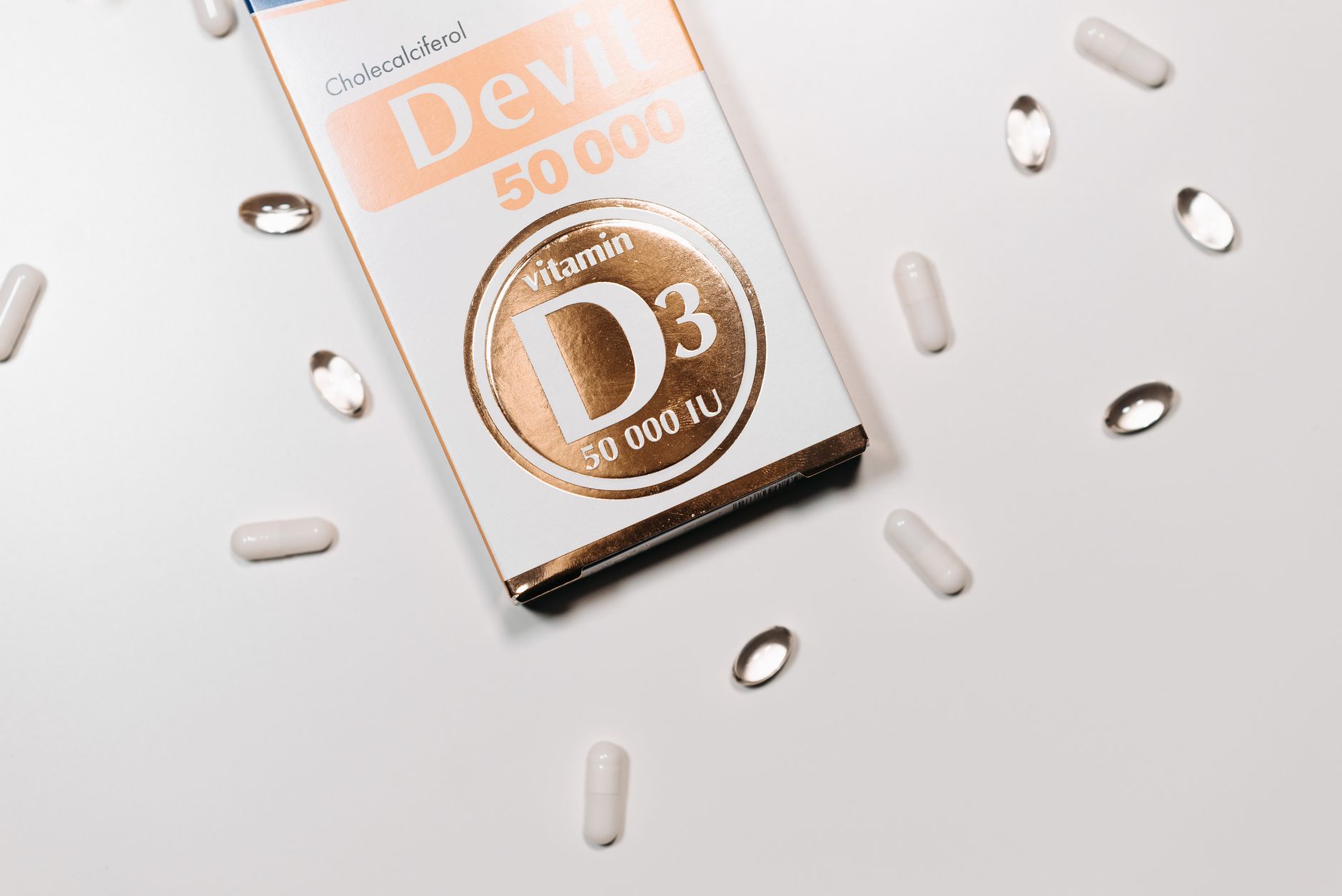
In practice, D2 is often used in foods or supplements aimed at people who prefer plant-based options, while D3 is widely used in mainstream supplements. Some packages also mention “non-active vitamin D,” which refers to D2 and D3 rather than prescription active forms. This distinction matters because over-the-counter supplements are meant for routine intake, while active vitamin D belongs in a different medical category.
How to choose in everyday life
For many adults, D3 is the more common default choice when a supplement is selected for general use, especially if the goal is to simplify daily intake. D2 can still be a reasonable option for people who want a plant-based source or who are selecting a fortified product that specifically uses D2. The best choice is often the one that matches diet, tolerance, and the amount actually listed on the label, rather than the form alone.
Reading dosage with more caution
Vitamin D is fat-soluble, so more is not automatically better. A Taiwan-based article summarizing local guidance noted 400 IU daily for adults up to age 50, 600 IU for those 51 and older, and an upper intake limit of 2,000 IU in its cited reference set. Another source noted that some international guidance allows higher upper limits, so users should compare labels carefully and consider blood testing if they are taking higher amounts for a long period.
Practical buying tips
A useful way to shop is to check three things: the vitamin form, the daily IU per serving, and whether the product fits dietary preferences such as vegetarian or non-vegetarian use. People who spend long hours indoors, office workers with limited daylight, older adults, and those who rarely eat vitamin D-rich foods often search for these products in the same way. If a supplement is being considered alongside health conditions, pregnancy, or medication use, professional advice is the safer route.
Vitamin D2 and D3 are not interchangeable in every situation, but they serve the same broad purpose in supplement aisles. D3 is often chosen as the more common default, while D2 can still make sense for specific dietary needs or product formats. A careful label check usually matters more than a simple headline claim.