Selenium is often described as a “small but mighty” nutrient: the body only needs microgram levels, yet this trace mineral is built into key proteins that keep basic systems running smoothly. Many readers first hear about selenium in the context of antioxidant support or thyroid health, but modern nutrition science paints a broader picture that spans metabolism, immune responses and reproductive health. Since the body cannot make selenium on its own, it must come from food or supplements, and both insufficient and excessive intake are discussed in scientific literature. Understanding why selenium matters, where it comes from and how much is typically recommended helps people make more informed choices in daily eating. Health information in this article is for general knowledge only and is not a substitute for medical advice; individuals with health concerns are encouraged to consult qualified professionals.
What makes selenium a unique trace mineral
Nutrition textbooks classify selenium as an essential trace mineral because humans need it for normal physiology, even though total body content is only estimated in the milligram range. Selenium’s unique role comes from the way it is incorporated into selenoproteins, a group of proteins that contain the amino acid selenocysteine as part of their structure. Researchers have identified at least a couple of dozen selenoproteins in humans, and these proteins participate in multiple processes, from handling reactive oxygen species to regulating thyroid hormone activation. Unlike some vitamins that can be stored in large amounts, selenium status reflects a balance between regular dietary intake, absorption in the gut and losses through urine and other routes. Because the margin between sufficient and excessive intake is narrower than for many other nutrients, experts frequently emphasize “enough but not too much” when discussing selenium.
Selenium, antioxidant defense and everyday oxidative stress
One of the best-known reasons selenium is considered important is its role in antioxidant defense systems that manage everyday oxidative stress. Several selenoproteins, such as glutathione peroxidases and certain thioredoxin reductases, are enzymes that help neutralize peroxides and reactive oxygen species produced during normal metabolism. These enzymes do not act in isolation: they work alongside antioxidants such as vitamin C, vitamin E and other trace elements like zinc, forming a network that protects cell components including lipids, proteins and DNA. Lifestyle factors such as intense exercise, exposure to pollution or smoking can influence oxidative processes, which is why researchers often study selenium status in relation to these contexts. While observational and clinical studies have explored links between selenium levels and conditions related to oxidative damage, findings are not always consistent and do not justify treating selenium as a standalone solution. Readers are therefore encouraged to view selenium as one piece in a broader pattern of balanced nutrition and healthy habits.
How selenium relates to thyroid function and metabolism
Selenium has attracted attention in endocrinology because several enzymes involved in thyroid hormone metabolism are selenoproteins. These enzymes participate in converting thyroxine (T4) into the more active triiodothyronine (T3), a step that influences basal metabolic rate and many downstream processes. Scientific reviews and guidelines, including those informed by agencies like the US National Institutes of Health, note that adequate selenium intake supports normal thyroid hormone metabolism and overall thyroid function. Some clinical studies have examined selenium supplementation in autoimmune thyroid conditions and in the postpartum period, with mixed results that continue to be evaluated in research. Given the complexity of thyroid disorders and their treatment, experts typically recommend that individuals with thyroid disease discuss selenium intake with their healthcare team rather than adjusting doses on their own.
Roles in immunity, reproduction and other body systems
Beyond antioxidant and thyroid-related roles, selenium is also mentioned in research on immunity, fertility and cardiovascular health. Laboratory and clinical studies suggest that selenium-dependent enzymes participate in immune cell signaling pathways and responses to infections, leading some authors to describe selenium status as one factor among many that influence immune competence. In reproductive health, several studies have explored how selenium intake relates to sperm quality, pregnancy outcomes and general reproductive function, although results vary by population and study design. Epidemiological research has also looked at associations between selenium status and cardiovascular markers, metabolic measurements and cognitive outcomes, yet findings are not uniform and often depend on baseline selenium levels. Because these areas are still under active investigation, readers are advised to interpret emerging claims cautiously and to rely on personalized guidance from clinicians for specific medical questions.
Recommended intake, deficiency and excess: finding the balance
Public health authorities in many countries provide reference values to help individuals and professionals gauge typical selenium intake. For example, guidelines influenced by organizations such as the US National Academies and NIH commonly state that most adults have a recommended dietary allowance in the range of about 55 micrograms of selenium per day, with slightly higher amounts suggested during pregnancy and lactation. Upper intake levels are also defined, often around 400 micrograms per day for adults, to reduce the risk of adverse effects from chronic excessive intake. Documented deficiency has historically occurred in regions where soil selenium content is very low, which can affect the selenium concentration in plant foods and, indirectly, in animal products derived from those crops. On the other side of the spectrum, long-term intake far above recommended upper limits can lead to a condition known as selenosis, described in scientific literature with symptoms such as hair and nail changes, gastrointestinal discomfort and a metallic taste. Anyone considering high-dose supplements is therefore encouraged to consult healthcare professionals and to avoid exceeding product label instructions.
Food sources of selenium in everyday diets
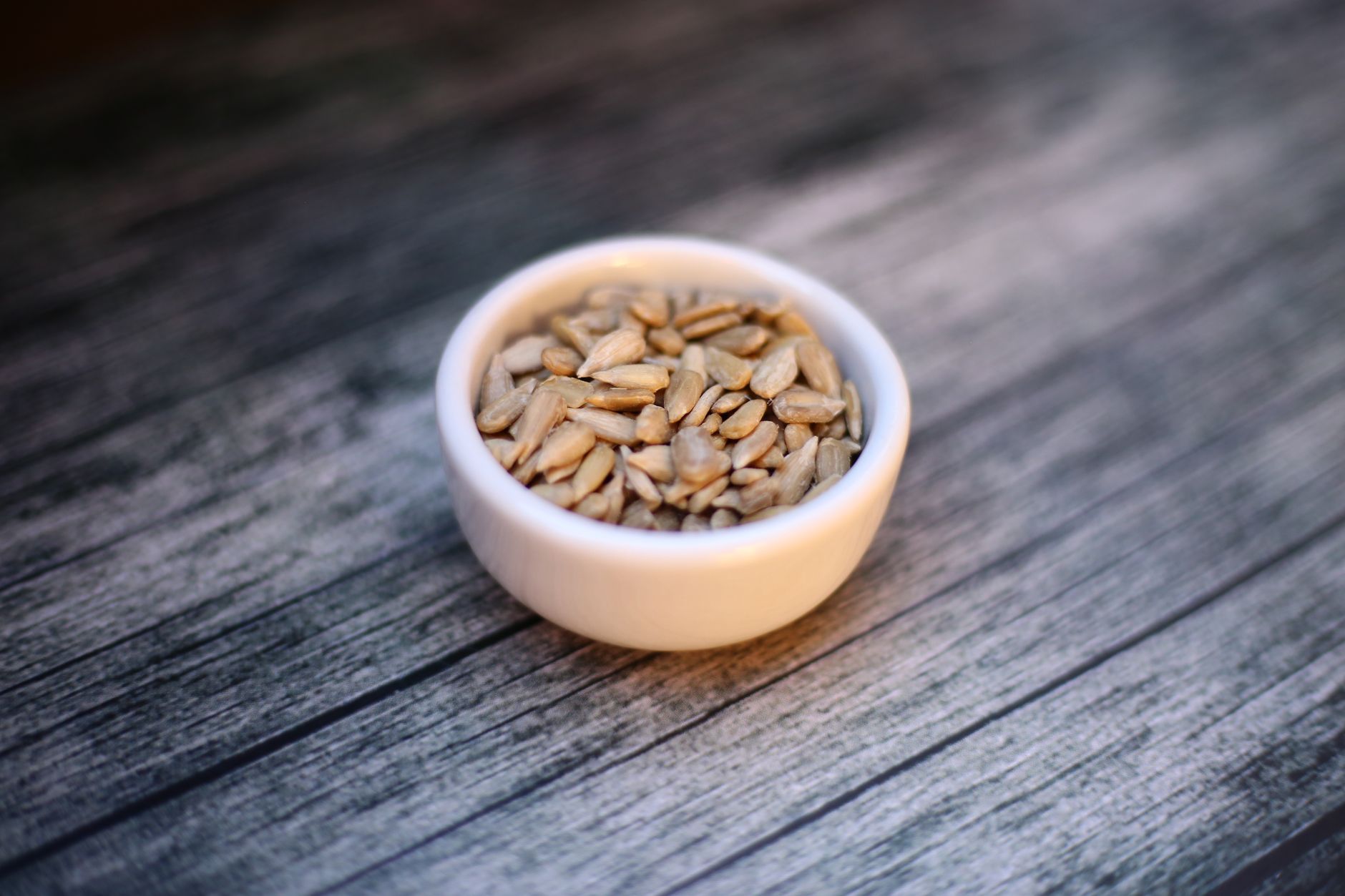
For most people, the main source of selenium is food rather than supplements, and the actual content in a meal can vary depending on soil and feed composition. Commonly cited sources include seafoods such as tuna and sardines, meats like beef and poultry, eggs and dairy products, as well as whole grains and certain nuts and seeds. Brazil nuts are often highlighted because they can contain particularly high amounts of selenium, but the exact level per nut is highly variable, so nutrition experts usually suggest moderate, not habitual large, portions. Plant-based eaters can still obtain selenium through grains, legumes and seeds, though in some regions where soil levels are low, average intakes may be at the lower end of recommended ranges. Reading nutrition labels where available, rotating protein sources and emphasizing minimally processed foods are practical ways for many individuals to support a more consistent selenium intake without fixating on a single “superfood.”
When supplements enter the picture and how to use information wisely
Selenium supplements, sold alone or as part of multivitamins, are widely available in forms such as selenomethionine and sodium selenite, each with somewhat different absorption characteristics. For individuals whose diets already meet recommended intakes, additional supplementation may not provide extra benefit and could increase the likelihood of reaching upper intake levels over time. On the other hand, people with medically confirmed low selenium status, restricted diets or specific health conditions may, under professional guidance, use supplements as one tool to reach appropriate intake. Because research findings evolve and individual needs differ, general articles like this are best used as a starting point for discussion rather than as personalized treatment plans. Readers who are pregnant, living with chronic illness, taking medication or considering higher-dose selenium products are especially encouraged to seek advice from physicians or registered dietitians before making changes.
Key takeaways for daily life
Selenium illustrates how a trace mineral required in very small amounts can have wide-reaching roles through its integration into selenoproteins across the body. From antioxidant enzymes managing daily oxidative stress to thyroid-related enzymes shaping metabolic activity, selenium participates in fundamental processes rather than acting as a quick fix for single symptoms. Maintaining an appropriate intake typically comes down to a balanced diet that includes a variety of whole foods, with supplements reserved for situations where professional assessment indicates a need. As with many aspects of nutrition, context matters: baseline diet, regional soil levels, health status and medication use all influence how relevant selenium questions are for a given individual. This article is intended for informational purposes only and does not replace consultation with doctors, dietitians or other qualified health professionals when making decisions about nutrient intake or health management.