Acne-prone skin often needs a routine that is both consistent and restrained. Many people focus on removing oil or using strong exfoliants, yet excessive cleansing and irritation can make daily care harder to manage. Diet also attracts attention, but no single food plan suits every person, and current evidence remains mixed. A practical approach is to observe personal patterns, choose gentle products, and separate hydration from claims about treating acne. The goal is a routine that respects the skin barrier while leaving room for professional advice when breakouts are persistent, painful, or associated with scarring.
Start with a balanced view of diet
Diet can be part of an acne-prone skin discussion, but it should not be treated as a guaranteed explanation for every breakout. Small studies suggest that a lower-glycemic eating pattern may be associated with fewer pimples for some people, while evidence about dairy remains inconsistent. The American Academy of Dermatology notes possible links involving cow’s milk, whereas yogurt and cheese have not shown the same pattern in available studies. NHS guidance also emphasizes that research has not established one universal acne-causing food.
A realistic eating pattern can include vegetables, beans, oats, whole grains, eggs, fish, nuts, and other foods that fit personal preferences and health needs. Instead of removing several food groups at once, users can keep a simple food and skin diary for a few weeks and note sleep, stress, menstrual changes, new products, and eating patterns. This makes it easier to identify a recurring personal association without turning a temporary breakout into a strict dietary rule.
Avoid common diet myths
Chocolate, greasy meals, and dairy are often blamed for acne in broad terms, but individual responses differ and research does not support a universal ban. Removing nutritious foods without a clear reason can create unnecessary restriction, particularly for teenagers, athletes, or people with busy schedules. A balanced diet is still the central foundation, while suspected triggers should be considered as personal observations rather than medical conclusions.
A useful example is a student who notices repeated breakouts after several days of sweet drinks, refined snacks, poor sleep, and exam stress. The pattern may involve the whole situation rather than one food alone. Replacing some highly processed snacks with a more balanced meal, drinking water regularly, and returning to a stable sleep schedule may make the routine easier to assess, but persistent or severe acne still calls for a clinician’s evaluation rather than continued self-experimentation.
Build a gentle cleansing routine
For acne-prone skin, cleansing should remove sunscreen, makeup, sweat, and daily residue without leaving the face tight or burning. NHS guidance commonly recommends washing affected areas no more than twice daily with a mild cleanser and lukewarm water, because frequent washing can irritate the skin. The American Academy of Dermatology also advises using fingertips and avoiding abrasive tools, scrubbing, harsh toners, and irritating exfoliants.
A simple morning routine may involve a gentle cleanse or a water rinse when appropriate, followed by hydration and daytime sun protection selected for personal tolerance. At night, makeup and sunscreen should be removed before cleansing. Products labeled non-comedogenic may be worth considering because they are designed to be less likely to clog pores, although every formula can feel different on individual skin. New products should be introduced one at a time so that irritation is easier to identify.
Hydration without overloading the routine
Oiliness and dehydration can appear together, so acne-prone skin should not automatically be deprived of moisture. A lightweight, comfortable product can support a more manageable routine, while heavy layering, frequent switching, or aggressive “deep cleansing” may increase discomfort. Hydration products should be assessed by texture, ingredient tolerance, packaging instructions, and how the skin feels after use rather than by dramatic promises.
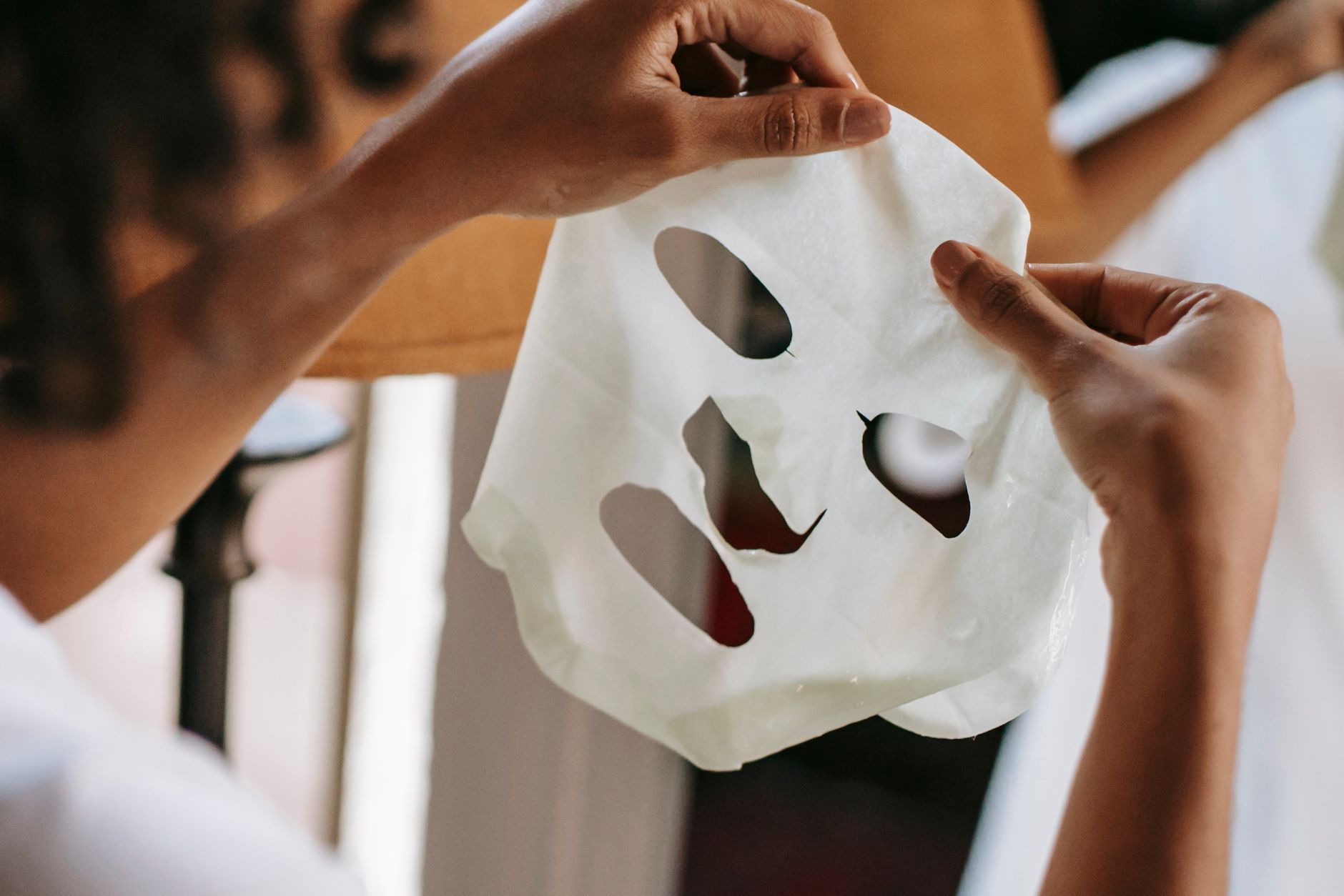
水搖滾保濕面膜22mL (hydrating sheet mask) is used after cleansing: remove the backing film, place the mask over the face while avoiding the eyes and lips, leave it on for about 10–20 minutes, then remove it. The stated routine is once or twice weekly, and the product is intended for external use only; it should not be applied to wounds or areas of skin discomfort. Its listed ingredients include dragon’s blood extract, hyaluronic acid, xylitol, blue-green algae extract, and willowherb extract. People with sensitive skin should stop using it if discomfort occurs and follow the packaging directions.
Compare practical product formats
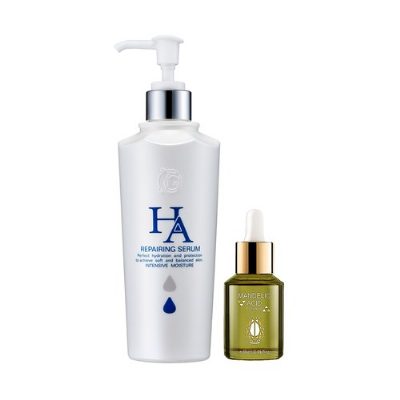
A sheet mask is an occasional step, while a leave-on essence is more suitable for people who prefer a product they can apply during a regular routine. 龍血玻尿酸保濕精華300mL (hydrating essence) is described for use on the face and neck by applying an appropriate amount and gently massaging until absorbed. Its listed ingredients include hyaluronic acid, low-molecular-weight hyaluronic acid, schizophyllan, and Peruvian dragon’s blood resin extract. The product information also states that it is intended for all ages and various skin types, with external use only.
Choosing between the two depends on the situation rather than on a promise of acne treatment. Someone who wants a weekly hydration step may prefer 水搖滾保濕面膜22mL, while someone who wants a daily face-and-neck application may consider 龍血玻尿酸保濕精華300mL. Neither should be used on damaged or uncomfortable skin, and any sensitivity or irritation is a reason to stop use. Storage instructions, expiration details, and batch information should be checked on the original packaging.
A routine for different everyday needs
For students or office workers who want fewer steps, a gentle cleanser, a suitable moisturizer, and sunscreen can form the core routine, with only one additional hydration product if needed. For people who experience dryness after cleansing, a simple leave-on product may be more convenient than adding repeated washes. For those who enjoy a weekly self-care step, the sheet mask can fit after cleansing when the skin is comfortable and intact.
People who are pregnant, taking medication, dealing with painful cysts, or developing dark marks and scars should seek individualized medical guidance before changing diet or adding active skincare. A pharmacist or dermatologist can help assess whether acne needs a treatment plan beyond cosmetic hydration. Skincare products can support comfort and routine consistency, but they should not be presented as substitutes for diagnosis or medical care.
Final checklist for consistent care
The most dependable starting point is not a dramatic restriction but a repeatable routine. Keep cleansing gentle, avoid scrubbing, introduce products separately, record possible food or lifestyle patterns without assuming causation, and choose hydration according to texture and tolerance. Evidence around diet is still developing, so a balanced eating pattern is more appropriate than eliminating broad food categories without a clear personal reason.
For product selection, 水搖滾保濕面膜22mL suits an occasional post-cleansing hydration step when used according to its directions, while 龍血玻尿酸保濕精華300mL fits users who prefer a face-and-neck leave-on format. Read the label, avoid use on wounds or uncomfortable skin, and stop if irritation appears. This information is for general reference; persistent, severe, or scarring acne deserves professional assessment.
The information in this article is for reference only and does not constitute professional advice. For specific decisions, please consult a relevant professional based on your personal situation.