Teen acne-prone skin is often discussed as if one food or one product explains every breakout, but skin changes usually involve several factors. Puberty-related hormones, genetics, sleep, stress, sweat, cosmetics, hair products, and daily habits can all influence how the skin looks. Diet may be relevant for some teenagers, yet the evidence does not support blaming chocolate, fried food, or poor hygiene as universal causes. A practical approach combines regular meals, careful observation, gentle cleansing, and realistic expectations. The goal is not to create a restrictive eating plan or promise clear skin overnight. It is to build habits that support overall health while reducing avoidable irritation and identifying when professional advice is appropriate.
Start with a balanced eating pattern
A balanced eating pattern is more useful than a list of forbidden foods. Teenagers need enough energy and nutrients for growth, school, sports, sleep, and everyday activity, so cutting out major food groups without guidance can create unnecessary risks. Meals can include vegetables or fruit, beans or other protein foods, whole grains, and a suitable source of fat. For example, a school-day breakfast might combine oats with fruit and yogurt, while lunch could include brown rice, vegetables, tofu, fish, eggs, or chicken. Water can be the regular drink, with sweetened beverages treated as occasional choices rather than daily staples. This approach supports general wellbeing without suggesting that diet alone controls acne.
Consider lower-glycemic choices without extreme rules
Research reviews have reported an association between higher-glycemic eating patterns and acne severity, while some studies suggest that lower-glycemic choices may be relevant for certain people. Glycemic response describes how quickly carbohydrate-containing foods can raise blood glucose, but it does not mean that every carbohydrate is unsuitable. Whole oats, beans, lentils, vegetables, and minimally processed grains can fit into ordinary meals, while highly sweetened drinks, candy, and refined snack foods can be less frequent. Portion size, meal balance, and the overall pattern matter more than labeling a single food as good or bad. Teenagers should avoid strict dieting, especially when an eating pattern creates anxiety, guilt, skipped meals, or difficulty meeting nutritional needs.
Observe dairy and personal food patterns carefully
Some studies have examined a possible relationship between cow’s milk intake and acne, but findings are not a universal explanation and do not show that all dairy foods cause breakouts. Research has not consistently linked yogurt or cheese with the same pattern described for milk, so removing every dairy product may be unnecessary. A teenager who notices a repeatable connection can keep a simple food-and-skin diary for several weeks, recording meals, sleep, stress, menstrual timing when relevant, new products, and the location or severity of breakouts. This makes it easier to distinguish a recurring pattern from a coincidence. Any elimination experiment should be short, nutritionally adequate, and discussed with a healthcare professional or registered dietitian when dairy is a major source of calcium, vitamin D, or protein.
Build a simple skincare routine
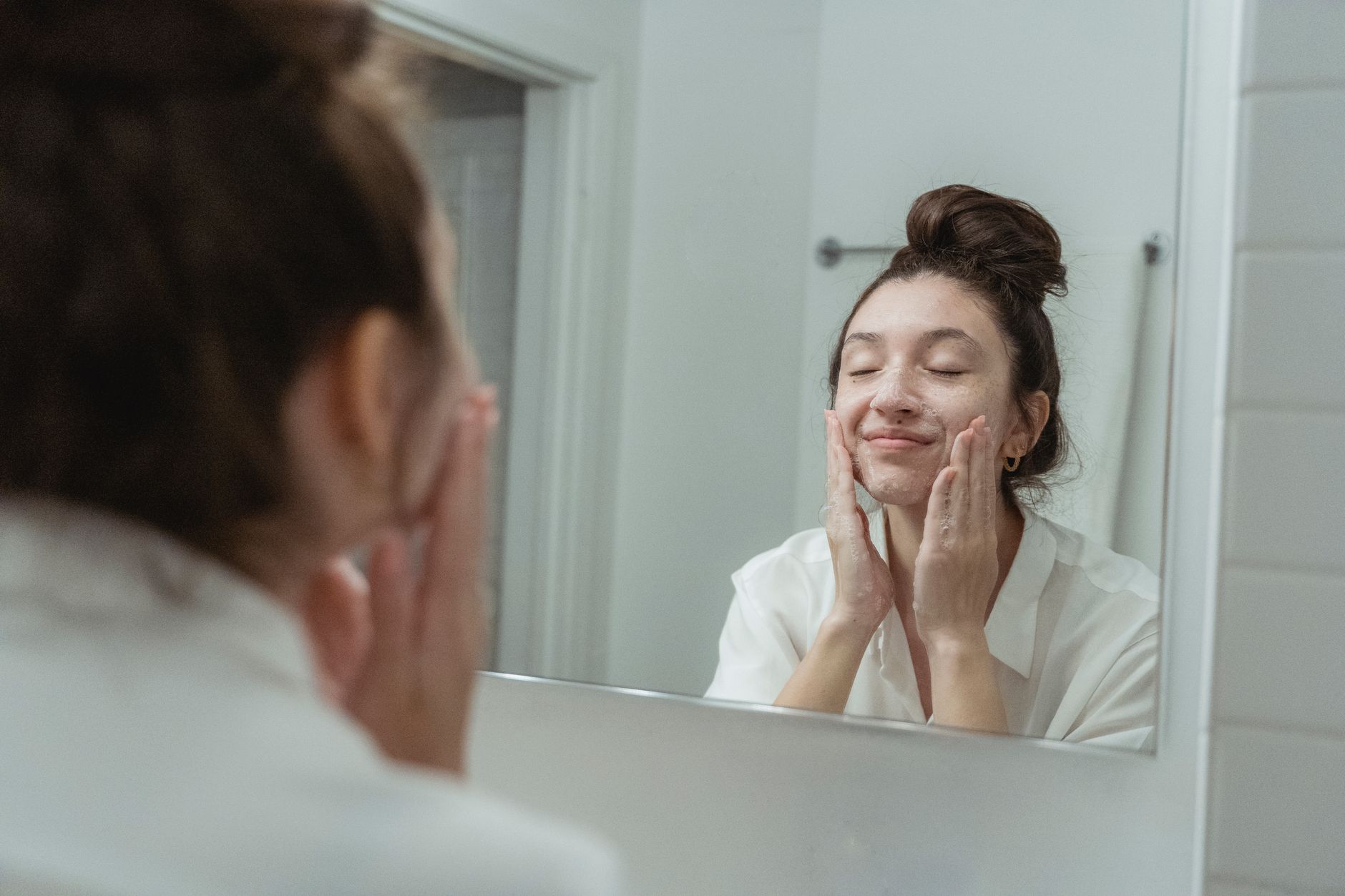
A complicated routine can irritate acne-prone skin, especially when several exfoliants, strong toners, scrubs, or fragranced products are introduced at once. A basic routine usually starts with a gentle, non-abrasive cleanser used up to twice daily and after heavy sweating, followed by a fragrance-free, non-comedogenic moisturizer when the skin feels dry or tight. During the daytime, broad-spectrum sunscreen can protect exposed skin and is especially important when using products that make the skin more sensitive to sunlight. Salicylic acid or benzoyl peroxide may be appropriate for some people, but product instructions and pharmacist or clinician advice matter. New products should be introduced one at a time so irritation can be recognized clearly.
Avoid habits that prolong irritation
Scrubbing, squeezing, picking, or repeatedly washing the face can damage the skin barrier and make redness or marks more noticeable. Makeup, sunscreen, and hair products are not automatically a problem, but non-comedogenic and water-based options may be preferable for people whose pores become blocked easily. Makeup should be removed before sleep, and pillowcases, phones, helmets, hats, or sports equipment that repeatedly touch the face should be kept reasonably clean. After exercise, changing out of sweaty clothing and washing gently can reduce prolonged contact with sweat and friction. These habits are not a substitute for medical treatment, but they can make a routine more consistent and reduce avoidable triggers.
Know when professional care is needed
Acne can affect confidence, school participation, friendships, and mood, so the decision to seek care should not depend only on how many spots are visible. A pharmacist, primary-care clinician, or dermatologist can help when breakouts are deep, painful, widespread, leaving dark marks or scars, or not improving after a consistent period of suitable over-the-counter care. Professional assessment is also useful when a product causes persistent burning, swelling, cracking, or a rash that does not resemble ordinary acne. Treatment choices vary according to age, skin sensitivity, acne type, medical history, and the possibility of scarring. Online health information is for general reference and should not replace individualized medical advice.
For most teenagers, the most sustainable plan is modest rather than dramatic: eat regular balanced meals, notice personal patterns without fear, cleanse gently, moisturize when needed, protect exposed skin from the sun, and avoid picking. Food changes should preserve adequate nutrition and should not become a punishment for having acne. A routine can be reviewed after several weeks instead of being changed every few days, because frequent switching makes it difficult to know what is helping or irritating the skin. When acne is painful, persistent, or emotionally distressing, professional guidance provides a safer path than increasingly restrictive diets or aggressive skincare.
The information in this article is for reference only and does not constitute professional advice. For specific decisions, please consult a relevant professional based on your personal situation.