Breastfeeding nutrition is less about following a restrictive food list and more about creating a reliable eating pattern that supports a mother’s daily energy needs and overall health. A varied diet built around vegetables, fruit, whole grains, protein foods, dairy or fortified alternatives, and unsaturated fats can fit many cultural preferences and budgets. The body can produce breast milk even when meals are imperfect, but regular nourishment matters for recovery, mood, concentration, and stamina during long days of feeding and infant care. This guide explains the main nutrients to watch, practical meal ideas, hydration, seafood choices, caffeine and alcohol considerations, and situations in which individualized advice is important. It is general information only; a doctor, midwife, lactation professional, or registered dietitian can adapt guidance to medical conditions, medications, allergies, or dietary restrictions.
Build meals around variety rather than strict avoidance
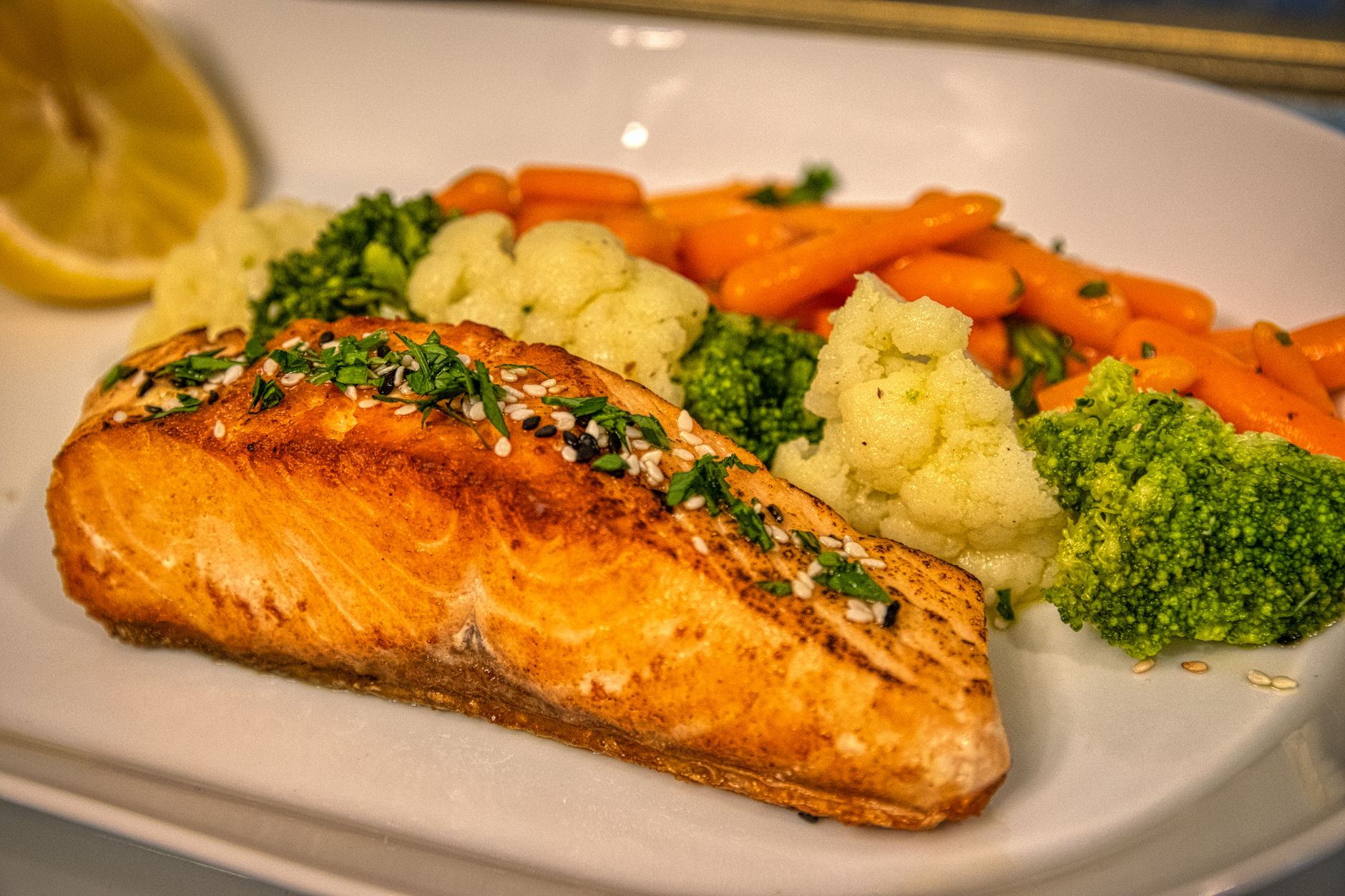
A practical breastfeeding plate can include a source of protein, a high-fiber carbohydrate, colorful produce, and a source of unsaturated fat. Examples include oatmeal with yogurt, berries, and nuts; brown rice with salmon, greens, and avocado; or whole-grain toast with eggs and fruit. These combinations are useful because they bring several nutrients together without requiring complicated recipes. Frozen vegetables, canned beans, canned fish chosen from lower-mercury options, and fortified milk alternatives can make balanced eating more realistic during the newborn stage.
Most breastfeeding mothers do not need to remove common foods automatically. Spicy foods, dairy, peanuts, or other frequently discussed items are not universally problematic, and unnecessary restriction can make meals less satisfying or reduce nutrient variety. If an infant repeatedly shows signs such as blood in the stool, persistent vomiting, severe eczema, or marked feeding difficulty, the parent should seek professional assessment rather than starting a broad elimination diet alone. A clinician can consider the infant’s symptoms, growth, feeding pattern, and the mother’s nutritional needs before suggesting a targeted change.
Nutrients that deserve particular attention
Breastfeeding increases the importance of regular intake of protein, iodine, choline, vitamin B12, calcium, vitamin D, iron, and omega-3 fats. Eggs, seafood, dairy products, fortified beverages, beans, lentils, tofu, lean meats, and leafy greens can contribute to this mix. Iodized salt can provide iodine, although people with thyroid conditions should discuss intake with a healthcare professional. Choline-rich foods include eggs, meat, fish, soy foods, and some beans, while vitamin B12 deserves special attention for people following a vegan diet.
Supplement needs are individual rather than automatic. A prenatal or postnatal multivitamin may be appropriate in some situations, but products vary widely in dose and quality, and more is not always better. Vitamin D, iron, iodine, or B12 supplementation may depend on laboratory results, dietary pattern, pregnancy history, blood loss, geographic factors, or medical conditions. Herbal products marketed for milk supply also deserve caution because ingredients, doses, contamination risks, and evidence can differ. A registered dietitian or healthcare professional can review the product label and the mother’s full health history.
Hydration and realistic eating during busy days
Thirst often increases during nursing, so keeping water or another unsweetened drink near the feeding area is a simple strategy. There is no need to force large amounts of fluid beyond thirst, and hydration is not a reliable way to increase milk production. Urine color, dry mouth, heat exposure, exercise, illness, and access to drinks can provide practical clues about fluid needs. Milk, fortified soy beverages, soups, and water-rich foods such as fruit also contribute to total fluid intake.
New parents often need foods that can be eaten with one hand or prepared in minutes. A snack box might contain cheese, whole-grain crackers, fruit, roasted chickpeas, and nuts; another option is Greek yogurt with oats and frozen berries. Batch-cooked rice, hard-boiled eggs, bean soup, chopped vegetables, and shredded chicken can form quick meals over several days. Family members can support nutrition more effectively by preparing food, refilling drinks, and arranging grocery delivery than by pressuring a mother to follow a perfect menu.
Choosing fish and omega-3 sources carefully
Fish can provide protein and omega-3 fatty acids, including DHA, but species differ in mercury content. The U.S. Centers for Disease Control and Prevention advises breastfeeding women to choose fish from lower-mercury “Best Choices” and “Good Choices” categories, follow local advisories for self-caught fish, and avoid fish listed as choices to avoid. Its general guidance describes two to three servings, or 8 to 12 ounces, per week when choosing from the best-choice list, or one 4-ounce serving from the good-choice list. Local rules may differ, so regional advisories should take priority.
Lower-mercury examples commonly include salmon, shrimp, pollock, canned light tuna, tilapia, and catfish, although product labels and local guidance should be checked. High-mercury species such as shark, swordfish, king mackerel, and marlin are generally avoided in U.S. guidance. People who do not eat fish can obtain omega-3 fats from walnuts, chia seeds, flaxseed, and canola oil, while algae-based DHA supplements may be an option for some vegans after professional review. Fish should be stored, cooked, and handled safely, especially when meals are prepared in advance.
Caffeine, alcohol, and food-safety decisions
Caffeine passes into breast milk in small amounts. The CDC describes low to moderate intake as about 300 milligrams or less per day, roughly two to three cups of coffee, while also noting that coffee, tea, energy drinks, soda, chocolate, and some medicines can contribute to the total. Individual infants may appear more sensitive, particularly if they become unusually restless or have sleep changes. Tracking timing and reducing intake gradually can be useful when a parent notices a consistent pattern, and healthcare advice is appropriate when symptoms are significant.
Not drinking alcohol is the safest option during breastfeeding. U.S. dietary guidance states that moderate intake of up to one standard drink in a day is not known to be harmful when the mother waits at least two hours after a single drink before nursing or expressing milk, but timing varies with the amount consumed, body size, food intake, and other factors. Alcohol does not leave milk faster because of pumping; pumping may be needed for comfort or schedule reasons. Anyone who feels impaired should not breastfeed, handle the infant alone, or co-sleep, and another sober adult should provide care.
When personalized nutrition advice is important
Professional guidance is especially valuable after significant blood loss, with anemia, thyroid disease, diabetes, kidney disease, gastrointestinal conditions, food allergies, a history of eating disorders, or a vegan diet. It is also useful when an infant has poor weight gain, feeding concerns, suspected allergy symptoms, or persistent gastrointestinal problems. A clinician can separate normal newborn patterns from signs that require assessment and can coordinate advice between the mother’s and infant’s healthcare teams.
A sustainable plan usually starts with a few dependable meals rather than a complete lifestyle overhaul. Keeping protein-rich snacks available, choosing fortified foods when appropriate, including a variety of produce, and scheduling help with shopping or cooking can make nutrition more consistent. Breastfeeding mothers do not need to earn food through exercise or rush weight loss after birth; recovery, sleep, mental health, and adequate nourishment are meaningful parts of postpartum care. General nutrition information can guide planning, but medical conditions, supplements, and infant symptoms warrant individualized professional advice.