Children’s eye health depends on more than a single food or supplement. Growing eyes need a varied diet, regular sleep, time outdoors, sensible screen routines, and age-appropriate vision checks. For families in Taiwan, the practical goal is to make these habits part of ordinary days rather than treating eye care as a special project only during exam season. Meals can include colorful vegetables, eggs, fish, beans, fruit, and whole grains, while daily schedules can make room for outdoor play and breaks from close-up work. This approach supports overall development without promising that any single ingredient can prevent or reverse an eye condition.
Build a varied plate instead of chasing one “eye food”
A child’s meals should provide a broad range of nutrients through normal foods. Dark green vegetables such as spinach, bok choy, and kale, along with orange and yellow produce such as pumpkin, corn, and sweet peppers, contain carotenoids including lutein and zeaxanthin. Eggs, fish, tofu, beans, dairy products, and nuts can add protein and other nutrients needed during growth. Fruit can be included as a convenient snack, but it should not replace vegetables or a balanced meal. The most useful pattern is variety across the week: a child might have steamed egg and greens at breakfast, fish with vegetables at dinner, and fruit with unsweetened yogurt after school. Food choices should reflect allergies, family culture, budget, and the child’s appetite rather than relying on expensive products.
Understand lutein and supplements carefully
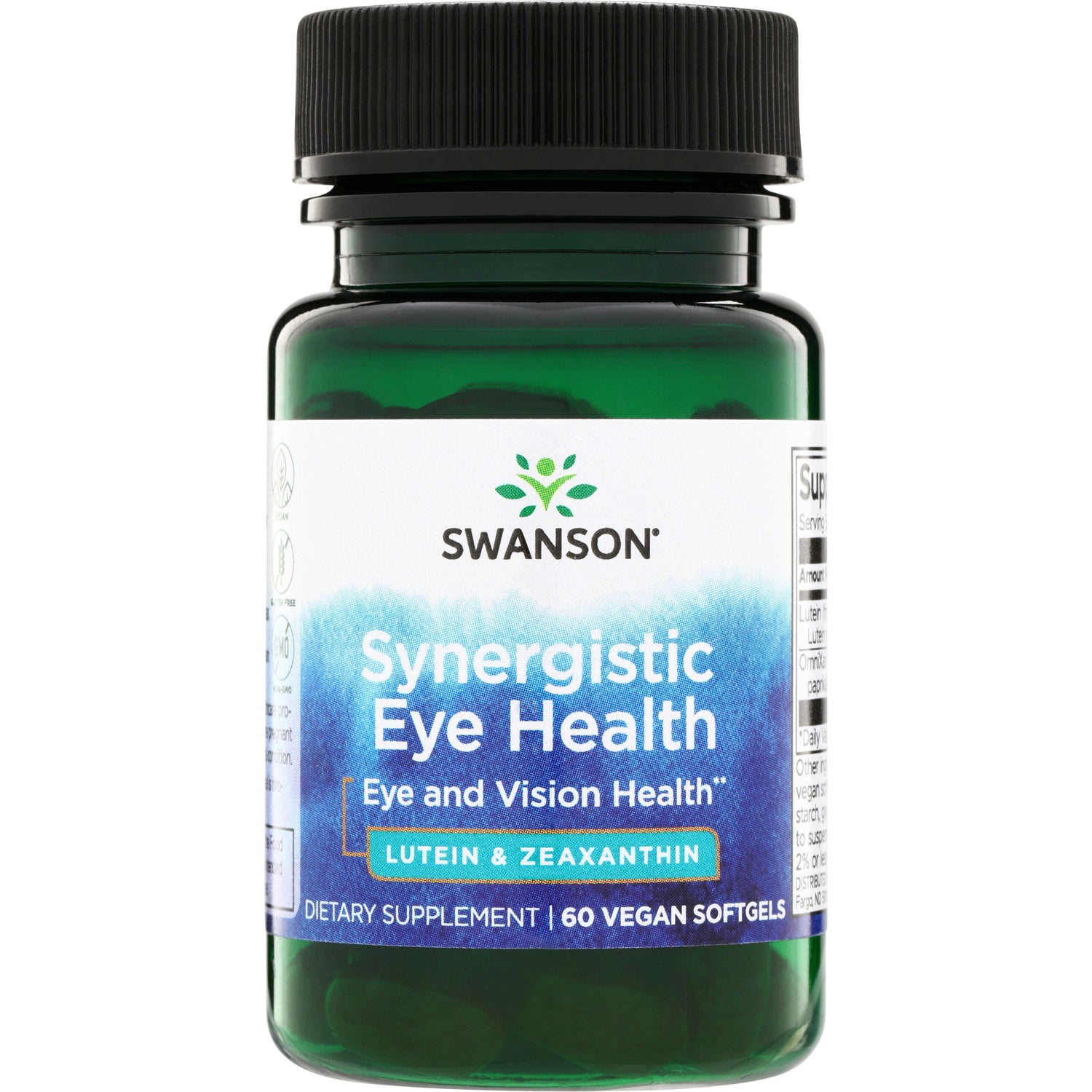
Lutein is a naturally occurring carotenoid found in foods such as leafy greens, corn, egg yolk, and some orange vegetables. Parents often encounter lutein gummies, powdered drinks, and capsules marketed for children, but a product’s presence on a shelf does not establish that it is a health food under Taiwan’s legal definition. In Taiwan, the term “health food” refers to a product with a Ministry of Health and Welfare health-food permit and the official Little Green Man mark; ordinary foods and general wellness products must not make disease or unauthorized health-function claims. Families should read the nutrition label, serving size, age guidance, allergens, and sugar content, and should ask a pharmacist or physician before using supplements for a child with a medical condition or regular medication. Food-first choices are usually easier to integrate into family meals.
Make outdoor time a daily routine
Outdoor activity is an important part of children’s vision-care habits, especially in a school environment where reading and near work occupy much of the day. Taiwan’s health authorities promote the 3010120 principle: after about 30 minutes of near work, look into the distance for 10 minutes, and aim for at least 120 minutes of outdoor activity each day. The time does not have to be one long session. Walking to school, playing at a park, riding a bicycle, helping with a balcony garden, or joining an outdoor family game can all contribute. On hot or sunny days, children still need shade, hats, hydration, and appropriate sun protection. Outdoor play should be enjoyable and realistic, with the schedule adapted for weather, safety, and the child’s age.
Manage screens and close-up work with structure
Screens are not the only source of visual strain; books, homework, handheld games, and crafts also involve close viewing. A child’s study area should have comfortable lighting, a stable chair, and enough distance from the book or device to avoid hunching over the desk. Families can use a timer to create regular distance breaks, keep phones and tablets out of meals and bedtime, and select content that does not require continuous viewing for long periods. Taiwan’s public-health guidance commonly advises avoiding screen use for children younger than two and limiting screen time for older preschool children, while exact routines should also consider schoolwork, sleep, physical activity, and family circumstances. If a child frequently rubs the eyes, squints, sits very close to the screen, tilts the head, or complains of headaches, the behavior deserves attention rather than punishment.
Treat sleep and routine as part of eye care
Sleep supports children’s general growth, learning, mood, and daily functioning, so it belongs in a complete eye-care plan. A consistent bedtime, morning light exposure, and a screen-free wind-down period can make it easier for children to keep regular habits. Families can prepare school bags and devices earlier in the evening so homework does not push bedtime later, and they can offer water and regular meals instead of relying heavily on sweetened drinks or highly processed snacks. These steps are not a substitute for an eye examination, but they create a healthier setting for reading, play, and learning. Parents can also model the same behavior by taking breaks from their own phones during meals, family conversations, and outdoor time.
Schedule vision checks and respond to warning signs
Nutrition and habits cannot replace professional assessment when vision concerns appear. Children may not recognize that blurred distance vision is unusual, so adults should watch for squinting, frequent blinking, closing one eye, losing place while reading, unusual head posture, poor classroom visibility, or reluctance to participate in visually demanding activities. Routine screening through school or community services is useful, but a comprehensive examination may be needed when symptoms persist or when there is a family history of significant refractive error. Parents should seek advice from an optometrist or ophthalmologist when a child reports persistent blur, eye pain, double vision, sudden visual change, or recurring headaches. Early attention helps families understand the situation and choose appropriate next steps without relying on internet claims or unverified products.
A practical family plan for the week
A workable plan starts with small changes that can be repeated. Families can place one green or orange vegetable in a main meal each day, rotate eggs, fish, tofu, beans, and other protein sources, and keep fruit available for snacks. A school-day schedule might include a ten-minute distance break after concentrated near work, a walk after dinner, and device charging outside the bedroom. At the weekend, a park visit, nature walk, or outdoor market trip can provide active time without feeling like a formal exercise session. The aim is not perfection: it is a balanced pattern that combines varied food, outdoor activity, sensible close-up habits, adequate sleep, and regular vision checks. When supplements are considered, the product label and legal status should be checked carefully, and individualized questions should be discussed with a qualified health professional.
This article is for general wellness reference only. Claims about foods or supplements should be verified against the approvals issued by your local health authority. Consult a doctor or pharmacist if you have a medical condition or special dietary needs. It does not constitute medical advice and is not a substitute for professional diagnosis.