Iron supplements are commonly recommended when dietary intake does not meet the body’s needs, yet many people feel lost when reading labels filled with chemical names and symbols. One of the most important distinctions is between ferrous (Fe2+) and ferric (Fe3+) forms of iron, which differ in how the body absorbs and tolerates them. Understanding these differences does not replace medical advice, but it helps readers ask more precise questions when speaking with doctors, pharmacists, or dietitians. This article focuses on practical comparisons, typical usage scenarios, and key label details, and is intended for general information only.
What is the difference between ferrous and ferric iron?
In nutrition, iron appears mainly in two oxidation states: ferrous iron (Fe2+) and ferric iron (Fe3+). Ferrous iron is the reduced form and is generally absorbed more efficiently in the small intestine because it can be taken up more directly by intestinal cells. Many oral supplements use ferrous salts such as ferrous sulfate, ferrous fumarate, or ferrous gluconate for this reason. Ferric iron, by contrast, is the oxidized form and often appears in complexes or as non‑heme iron from plant sources. Before the body can use ferric iron, it usually needs to be converted to the ferrous form in the digestive tract, a process influenced by stomach acidity and other dietary components. This basic chemical difference explains many of the practical contrasts between the two.
Absorption: why ferrous iron is often considered more efficient
Clinical and nutrition references commonly describe ferrous iron as having higher and more predictable absorption compared with ferric forms under typical conditions. Because ferrous iron is closer to the form transported across intestinal cells, it can be taken up even when stomach acid is not at its strongest. Ferric iron, particularly in non‑heme form from plants or some complexes, often needs acidic conditions or reducing agents to be converted into Fe2+ before absorption. Dietary patterns further influence this: animal‑source heme iron, which contains Fe2+, tends to be absorbed better than non‑heme iron from vegetables and grains. For some individuals with increased needs, health professionals may prefer ferrous supplements to reach target intakes more reliably, while still monitoring tolerance and lab values over time.
Side effects and tolerability of ferrous vs ferric iron
A frequent concern with iron supplements is digestive discomfort, which can include nausea, abdominal upset, constipation, or loose stools. Reports and product comparisons often note that ferrous salts, while efficient, are more likely to be associated with gastrointestinal complaints in a portion of users. Some studies comparing ferrous products with certain ferric complexes have found that the ferrous group achieved larger changes in hemoglobin or iron stores but also reported more adverse digestive symptoms. Ferric complexes are sometimes marketed as gentler on the stomach, though their absorption can be lower and more variable. Because individual responses differ, people who experience marked discomfort with one form may discuss with a clinician whether adjusting the dose, splitting doses, taking iron with food, or trying a different formulation is appropriate.
The role of vitamin C and diet in iron absorption
Diet strongly shapes how well iron tablets or capsules fit into a daily routine. Vitamin C and other reducing substances can convert ferric iron to the ferrous form in the gut, which may support absorption, especially for non‑heme iron. Many guidance documents suggest pairing iron intake with vitamin C‑rich foods, such as citrus, kiwi, or bell peppers, or choosing supplements that already include vitamin C as part of the formulation. On the other hand, components like calcium, coffee, tea, and some whole‑grain phytates can interact with iron in the intestinal lumen and reduce absorption when taken at the same time. For this reason, professionals often recommend spacing iron away from high‑calcium foods or beverages and certain drinks by a couple of hours, unless a clinician has advised otherwise. These strategies aim to make whichever form of iron is chosen more effective in everyday settings.
Who might be advised to consider iron supplements?
Iron needs vary widely across life stages, and not everyone requires a supplement. Groups often discussed in guidelines include menstruating women, adolescents, pregnant or postpartum individuals, frequent blood donors, and people with limited intake of iron‑rich foods. For example, many nutrition authorities recommend higher daily intakes for adolescent girls and women of reproductive age compared with adult men, reflecting ongoing blood loss and growth. Plant‑based eaters can obtain iron from legumes, dark leafy greens, whole grains, and nuts, but may need to pay more attention to meal composition because non‑heme iron is more affected by other dietary factors. Any persistent tiredness, shortness of breath on exertion, or noticeable paleness should prompt a medical evaluation rather than self‑diagnosis, since these signs can have many causes beyond iron status. Supplement use in these populations is normally guided by blood tests and professional judgment.
Practical tips for reading labels and choosing between ferrous and ferric iron
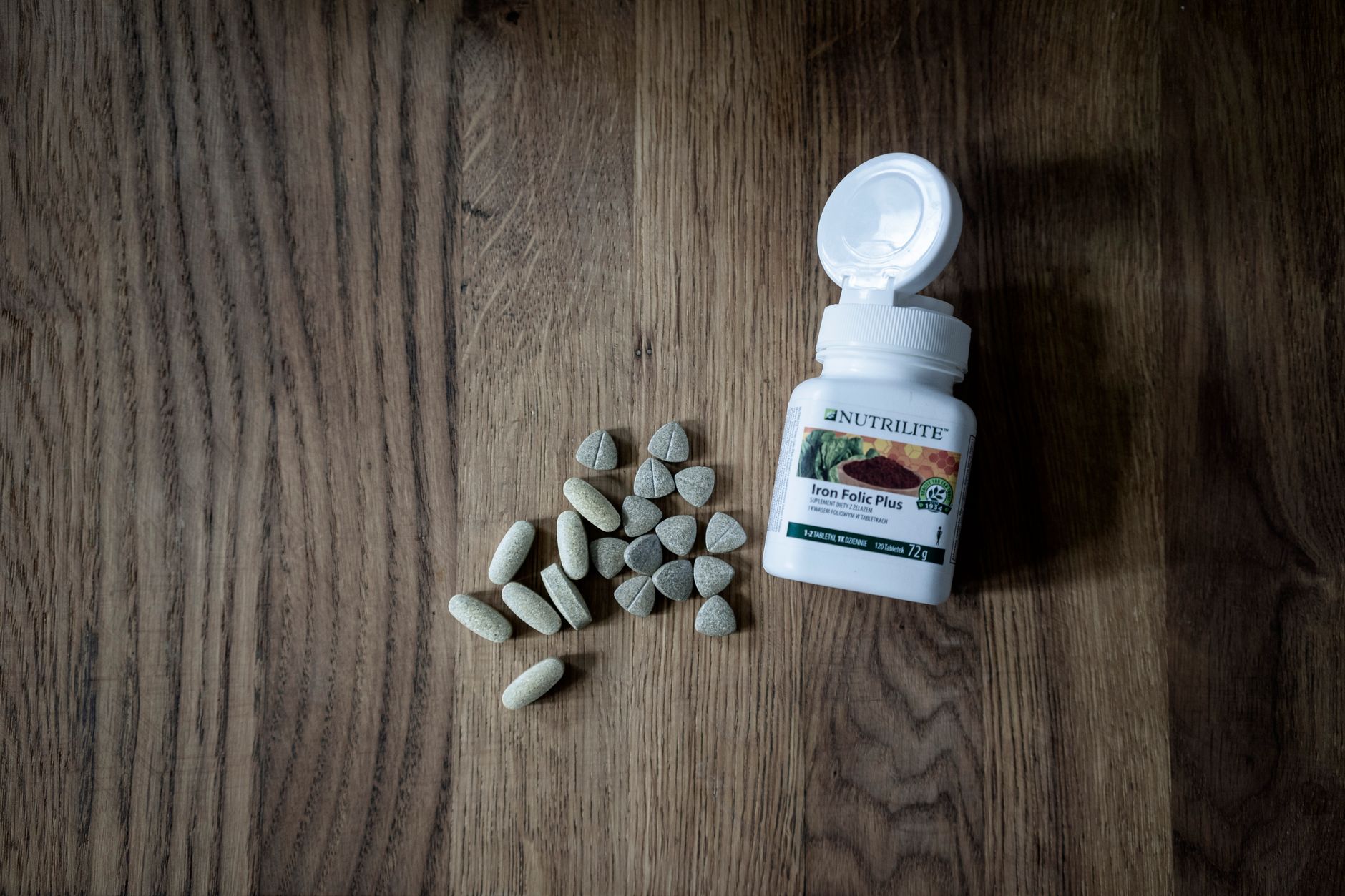
When comparing products, it is helpful to distinguish between the chemical name and the amount of elemental iron. Ferrous sulfate, ferrous fumarate, and ferrous gluconate each contain different proportions of elemental iron despite similar capsule sizes, so labels usually specify the elemental amount per serving. Ferric complexes may also list elemental iron, sometimes alongside other nutrients such as B vitamins or folate, which are often included in formulations targeting groups that are more likely to have low iron stores. Shoppers can look for information about the form (ferrous or ferric), the presence of vitamin C, and instructions about timing with meals or other supplements. Rather than choosing solely on advertised strength, it is safer to match the dose and form to personal lab results and tolerability, in consultation with a healthcare professional.
Safety, medical guidance, and final considerations
Although iron is essential, excess intake can be harmful, particularly for children, individuals with certain genetic conditions, or those who already have high iron stores. This is why many health authorities emphasize that iron tablets should be stored safely away from young children and that long‑term use should be monitored with periodic blood tests. Self‑supplementing in high doses without testing may mask underlying conditions or create new problems. The comparison between ferrous and ferric iron helps frame conversations about speed of response, risk of digestive upset, and the influence of diet, but it does not replace professional assessment. All information in this article is intended for general education only and does not constitute medical advice; readers are encouraged to discuss individual questions, test results, and treatment options with qualified healthcare providers.