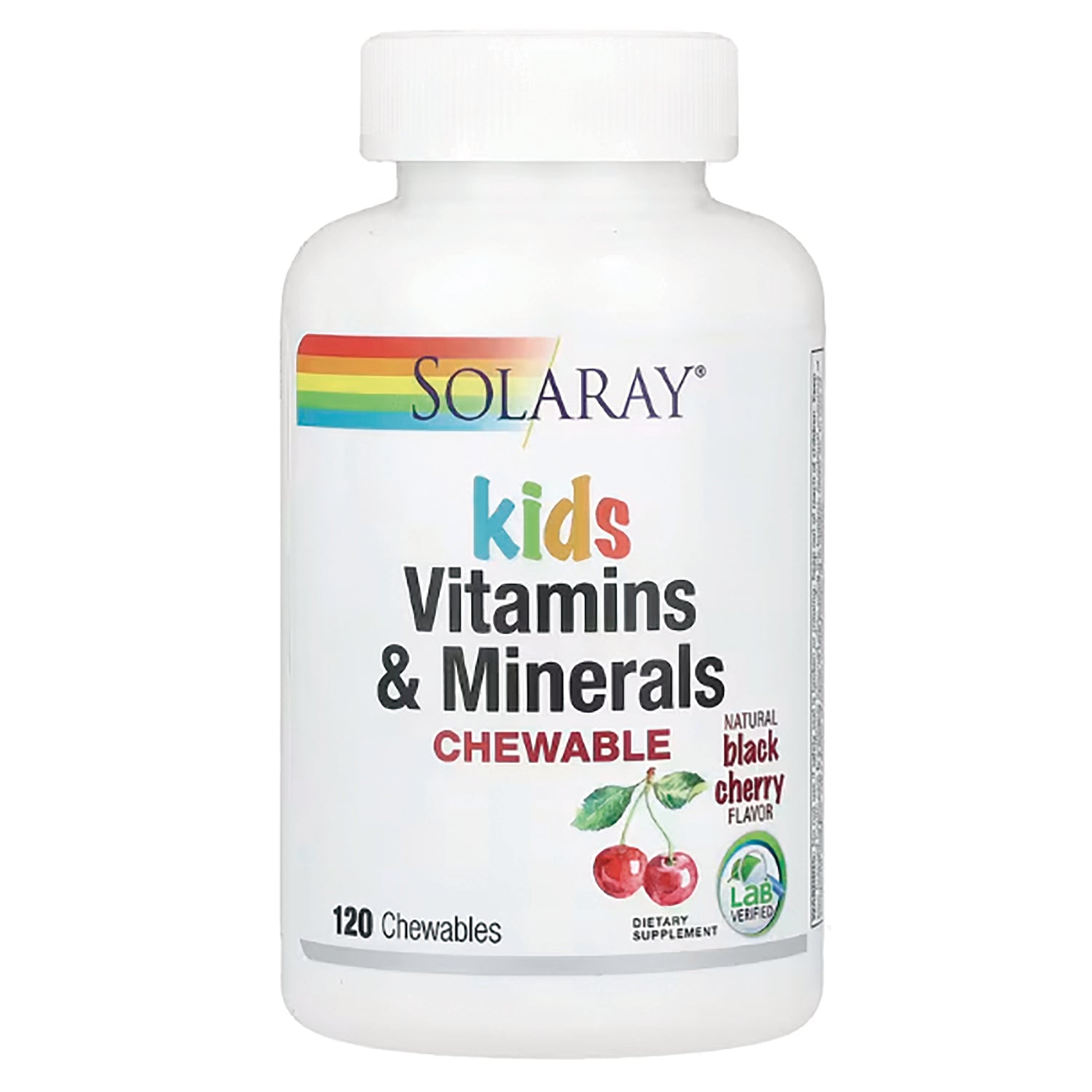

Parents often start looking at children’s multivitamins when they worry that daily meals may not fully cover what a child needs, especially for picky eaters or busy school days. Instead of chasing trends or advertisements, it is more helpful to understand what multivitamins can and cannot do, and how they fit into an overall eating pattern. A supplement is not a shortcut to perfect health, nor a replacement for vegetables, fruits, whole grains and protein-rich foods. It is more like a backup plan for specific gaps identified in everyday meals or by health professionals. This article focuses on how to evaluate formulas, labels, dosage, safety, and additives, so caregivers can make steady, informed choices and know when to seek professional advice.
Understand what a children’s multivitamin actually provides
Before comparing brands, it is useful to clarify what a typical children’s multivitamin usually contains and what role it plays. Many products focus on a combination of vitamins A, C, D, E, K, the B-group vitamins, plus minerals such as calcium, iron and zinc, because these are frequently discussed in relation to growth, bone health, energy metabolism and general development. In practice, the exact mix and dosage vary by age group and brand positioning, so two bottles on the same shelf may serve slightly different purposes. Parents can start by asking which nutrients might realistically be lower in their child’s daily meals, for example when dairy intake is low or there are very few iron-rich foods, and then check whether the formula addresses those areas instead of simply choosing the product with the longest ingredient list.
Check the label: nutrients, amounts and age range
Reading the nutrition label is one of the most important steps when choosing a children’s multivitamin, even though it can feel technical at first. The label usually lists every vitamin and mineral with the amount per serving and, in many countries, the percentage of the recommended daily intake for that age group. Caregivers can compare these values with national dietary guidelines or advice from pediatricians to see whether a product stays within a reasonable range rather than going far above typical needs. Particular attention is often given to fat-soluble vitamins such as A and D, where unnecessary excess over time may be a concern. Age range matters as well, because toddlers, preschoolers and older children have different requirements. A formula designed for teenagers may not be appropriate for a younger child, even if the brand name is the same.
Dosage, safety and professional guidance
When it comes to dosage and safety, more is not automatically better for children. Each product label usually includes a suggested daily portion based on age or body weight, and following that guidance is an important part of safe use. Combining a multivitamin with several single-nutrient supplements without professional input can unintentionally raise intake of certain vitamins or minerals beyond what is considered appropriate. Caregivers who are unsure about overlapping products, or who are looking after children with medical conditions, chronic medication use or special diets, can discuss choices with a pediatrician, pharmacist or dietitian. These professionals can help review all sources of nutrients, including fortified foods and drinks, and suggest adjustments if needed. Health information in articles like this is best treated as general education only, not as a substitute for personalized medical advice.
Forms, flavors and the role of sugar
Children’s multivitamins come in many forms: chewable tablets, liquids, powders, capsules and gummy-style products. Each type has practical advantages and trade-offs. Chewables and gummies are often more appealing in terms of flavor and texture, which can encourage regular use, but they may also contain added sugar, flavorings or colorants to achieve this. Powders and liquids can be mixed into foods or drinks, which some families find convenient, while capsules may suit older children who can swallow them comfortably. When a product is sweet and candy-like, it may be sensible to treat it carefully, store it out of children’s reach, and remind them that it is not a snack. Parents comparing options can weigh palatability against extra sweeteners or additives, aiming for a form that a child can take consistently without adding too much sugar to their routine.
Additives, allergens and ingredient transparency
Beyond vitamins and minerals, additives and allergens deserve a close look, especially for children with sensitive skin, asthma, food allergies or a family history of intolerances. Labels often indicate whether the product is free from common allergens such as milk, eggs, soy, nuts, gluten or shellfish, but wording and certification practices differ between regions. Some caregivers prefer products without artificial colors, flavorings or certain preservatives, while others focus more on avoiding particular allergenic ingredients. Clear labeling and third-party testing, when available, can increase confidence about what is and is not in the bottle. If a child has experienced reactions to previous supplements or medications, caregivers can share ingredient lists with healthcare professionals before trying a new product, allowing them to check for potential concerns and suggest safer alternatives.
Considering the child’s diet and lifestyle first
Choosing a children’s multivitamin becomes easier when viewed as part of the child’s overall lifestyle and eating pattern rather than as an isolated purchase. Observing a typical week of meals, snacks, school lunches and beverages can highlight patterns such as limited vegetable intake, very few iron-rich foods, low dairy consumption or frequent ready-to-eat snacks. For some families, making small, realistic meal changes may address several gaps without needing multiple supplements. In other situations, such as highly selective eating, busy schedules or restricted diets, a multivitamin may play a practical supporting role. Sleep routines, outdoor time and physical activity also contribute to how a child feels day to day, so a balanced approach looks at all of these elements together instead of focusing solely on a pill or gummy.
When to seek personalized advice and how to decide
There is no universal rule that every child must take a multivitamin, and there is no single product that suits every family. The most useful decisions often come from combining reliable information, observation and professional input. Caregivers might consider asking a pediatrician or dietitian specific questions, such as whether growth charts, blood tests or dietary patterns suggest any particular nutrients to pay attention to, and whether a multivitamin is appropriate in their child’s situation. They can also review any existing supplements and fortified foods at the same time, to avoid unnecessary overlap. Ultimately, a calm, informed choice that fits the family’s budget, the child’s preferences and medical guidance tends to be more sustainable than quick decisions based solely on marketing claims. All information in this article is for general educational purposes only and does not replace consultation with qualified healthcare professionals.