Eye health supplements are widely marketed to people who spend long hours on screens or worry about aging vision, but product labels can be confusing. Many bottles emphasize brand names or vague claims, while the real information hides in small print on the nutrition panel and ingredient list. Understanding which ingredients matter, how their amounts are shown, and what the ratios mean helps readers choose products that match their needs instead of relying only on advertising slogans. This article focuses on how to interpret key ingredient labeling on eye health supplements, and it is intended for general information rather than medical advice.
Key sections of an eye supplement label
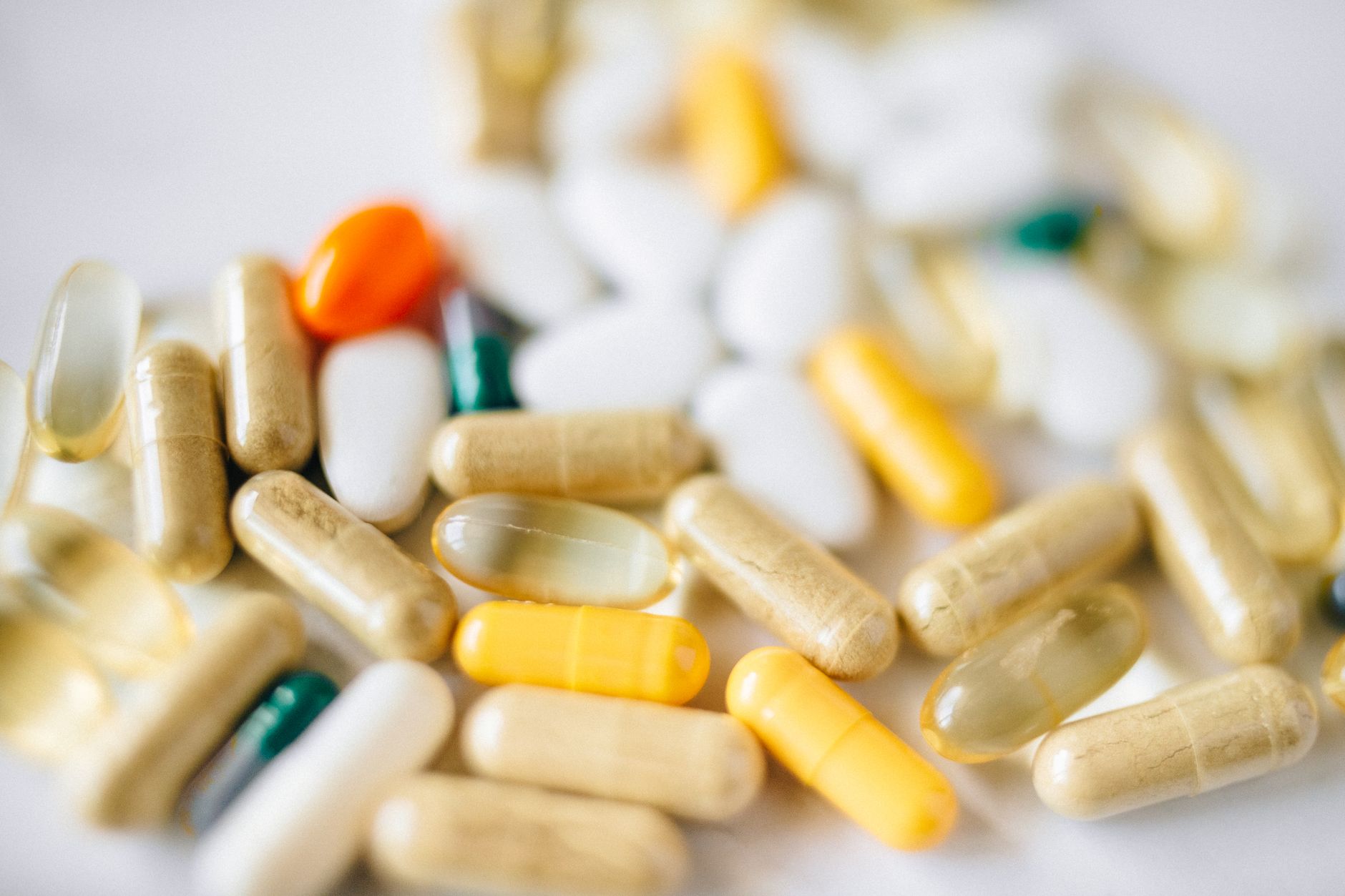
Before looking at individual nutrients, it is useful to know the main parts of a typical eye supplement label. Most products show a nutrition facts or supplement facts box with per-serving amounts, an ingredient list, and sometimes a separate area labeled "other ingredients" for capsules, extracts, or flavors. For capsules and tablets, important nutrients such as lutein, zeaxanthin, vitamins, and minerals are usually listed inside the nutrition box, often with units like mg or µg, while herbal extracts or supporting compounds may appear under other ingredients. Readers should pay attention to serving size, number of servings per day, and whether the amounts refer to active compounds or total extract, as this influences the actual intake. Marketing terms like "high concentration" or "professional formula" are secondary to the specific numbers and units.
Lutein and zeaxanthin: amounts, ratios, and forms
Lutein and zeaxanthin are among the most common eye-related nutrients, often combined in one formula. On labels, lutein may be described by its source, such as marigold extract, and given as a percentage concentration plus total weight. For example, a product might list marigold extract 100 mg containing 10% lutein, meaning the active lutein amount is 10 mg rather than 100 mg. This distinction between added extract amount and actual lutein content is important when comparing products that appear similar at first glance. Consumers also see combinations where lutein and zeaxanthin appear in a fixed ratio, frequently close to 10:2, reflecting common research-based formulas. Some products use esterified lutein, and labels can specify whether the listed amount refers to total lutein esters or free lutein; understanding this helps readers avoid assuming that every milligram is directly comparable across brands.
Anthocyanins, astaxanthin, and other eye-focused compounds
Beyond lutein and zeaxanthin, labels often feature anthocyanins from ingredients like bilberry or blackcurrant, as well as astaxanthin from algae or seafood. For these, the key point is whether the label shows total extract weight or standardized active compound content. A capsule may state “blackcurrant extract 50 mg” but only a portion of that might be anthocyanins; some products specify “standardized to X% anthocyanins” to clarify. Astaxanthin is often listed in mg with its source, and readers should check if the amount refers to pure astaxanthin or a blend. In many markets, polyphenols, carotenoids, and similar compounds can appear either inside the nutrition box or as other ingredients, depending on how regulations classify them. Since different products combine these nutrients in varied ways, comparing labels side by side helps identify whether a formula focuses on macular pigments, circulation-related components, or general antioxidant support.
Vitamins, minerals, and research-based combinations
Eye health supplements frequently contain vitamins and minerals such as vitamin A, C, E, zinc, and sometimes omega-3 fatty acids. These may be listed with both per-serving amounts and percentage of daily reference intake, especially for fat-soluble vitamins and essential minerals. Readers should look at whether the label describes a formula inspired by well-known research, such as combinations of lutein, zeaxanthin, vitamin C, and vitamin E, while remembering that commercial products differ in dosing and composition. Some labels highlight that certain nutrients reach recommended daily intake levels, whereas others provide smaller, complementary amounts. Checking for balance is useful: very high single-nutrient doses may increase metabolic load, while moderate amounts used together aim to support overall nutritional status. For people who already take multivitamins or other supplements, reviewing overlapping ingredients on labels can help avoid excessive total intake.
Practical tips for comparing eye supplement labels
When comparing eye supplements, several practical steps can clarify what each product offers. First, align serving sizes: a formula that lists 10 mg lutein per capsule but recommends two capsules daily effectively provides 20 mg per day, which differs from a product suggesting only one capsule. Second, focus on active nutrient amounts, not just the total extract figures, especially for plant-based ingredients. Third, note ratios like lutein to zeaxanthin, the presence of supportive vitamins and minerals, and whether the label separates nutrition facts from other ingredients. It is also sensible to read any caution or usage notes, particularly for children, pregnant individuals, or those with chronic conditions. Finally, advertising statements should be viewed as marketing; the more reliable guidance lies in clearly listed ingredients, units, and standardized contents.
Balanced use and professional advice
Eye health supplements can be part of broader visual care routines that also include regular eye examinations, screen-time management, and adequate lighting. Label reading helps consumers choose products that align with their habits and nutritional background, but it does not replace personalized evaluation. Because health-related decisions depend on individual medical history and lifestyle, readers are encouraged to discuss supplement choices with qualified professionals such as ophthalmologists or dietitians. Information in this article is intended for general reference, and any specific product decision should consider professional advice, official guidelines, and personal tolerance. By focusing on clear ingredient labeling, realistic expectations, and overall eye care practices, consumers can approach eye supplements in a more informed and cautious way.