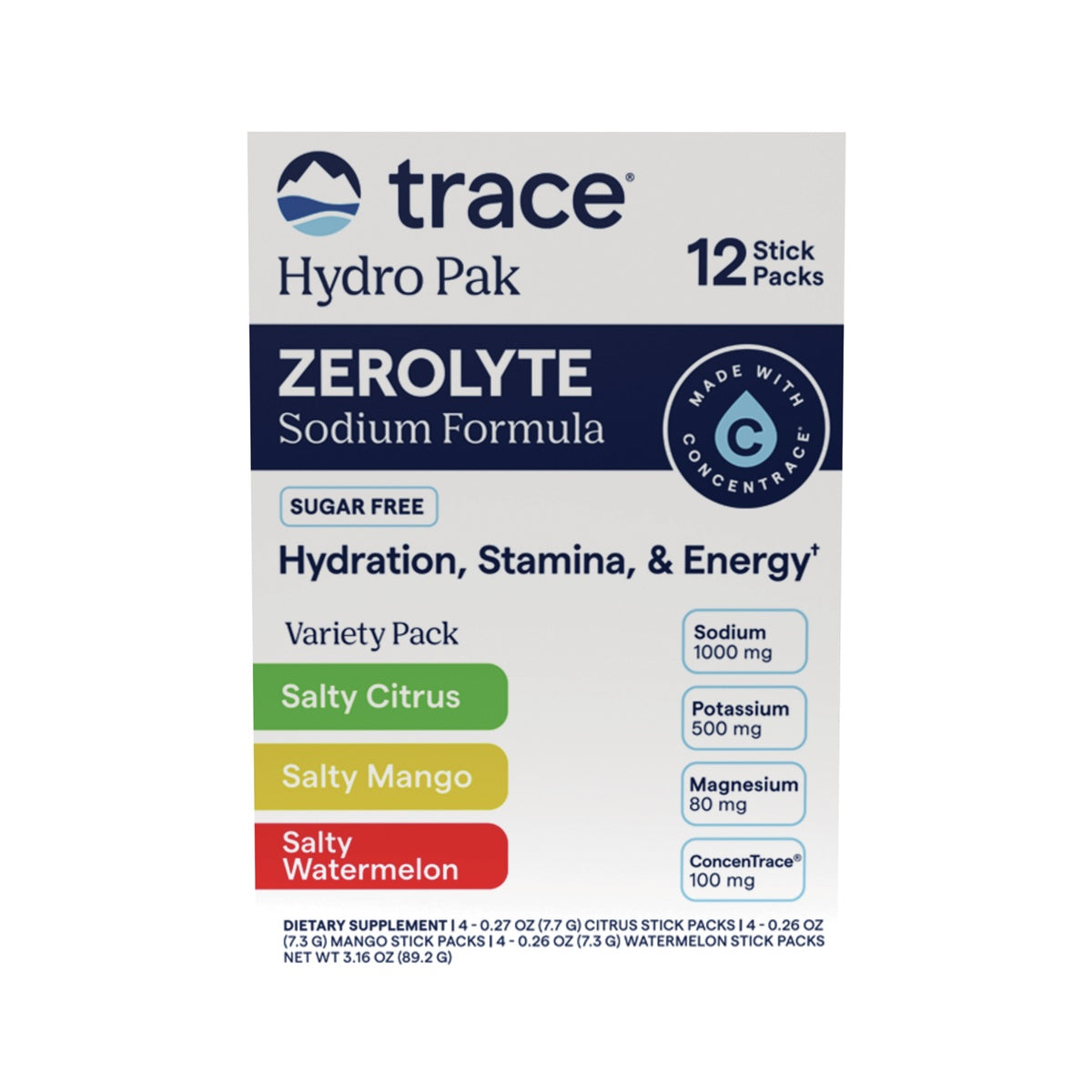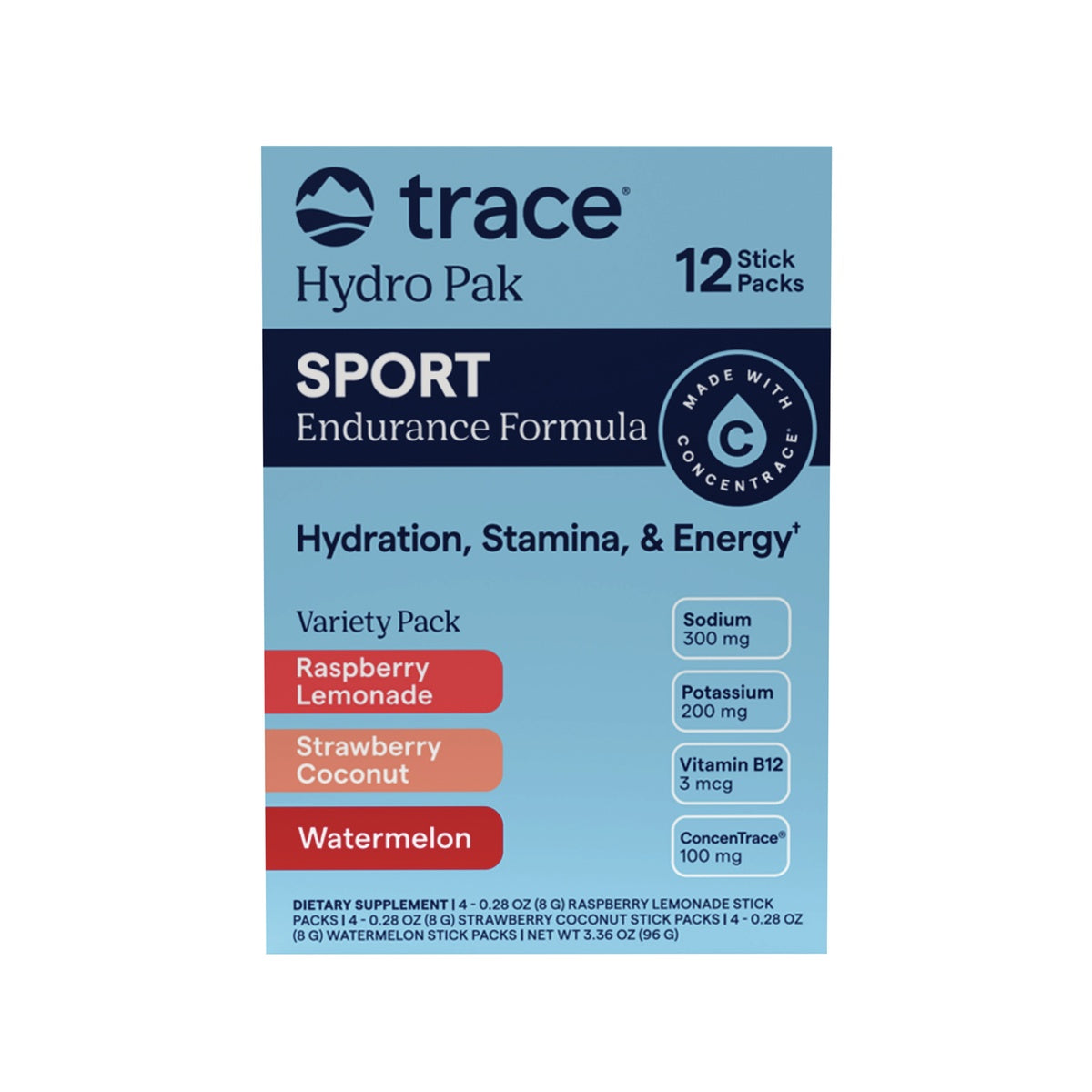

Many families start to consider supplements for seniors when they notice changes in appetite, sleep, or mobility. Yet the supplement aisle can be overwhelming, with capsules, powders, gummies, and drinks all promising different benefits. A practical way to approach this topic is to see supplements as an add‑on to daily meals, not a replacement. The focus is on understanding individual needs, reading labels carefully, and discussing choices with healthcare professionals, rather than chasing trendy ingredients or aggressive marketing claims.
Clarifying the health goals before buying
Before picking any product, it is useful to clarify what the older adult is hoping to address. Some people are more concerned about bone strength, others pay attention to eye comfort when reading, and some simply want to maintain enough energy for daily walks or caring for grandchildren. Writing down two or three priorities helps narrow down the options instead of buying a bit of everything. At the same time, reviewing existing medications and diagnoses with a physician or pharmacist allows a safer discussion on which categories of supplements may be appropriate and which should be avoided, especially when there is a history of kidney, liver, or cardiovascular conditions.
Core nutrients often discussed for seniors
Several nutrient groups frequently come up in conversations about senior nutrition. Calcium and vitamin D are widely mentioned in relation to bone health, while magnesium and certain B vitamins are part of many multivitamin products targeted at older adults. Omega‑3 fatty acids from fish oil or algae oil are common in products that focus on general wellness or daily vitality. Lutein and related ingredients such as zeaxanthin are often present in eye‑health formulas designed for people who read a lot or use digital devices. It is important to remember that these nutrients can also be found in foods like dairy products, leafy greens, oily fish, nuts, and seeds, so diet quality is always part of the overall picture.
Reading labels and understanding dosages
Product labels hold a large amount of valuable information if read slowly and carefully. The nutrition facts panel lists the amount of each vitamin or mineral per serving and the suggested daily intake. Seniors and caregivers can compare these values with local dietary reference intakes, ideally with guidance from a dietitian, to avoid excessive or overlapping doses from multiple products. Attention should also be paid to added sugars, sodium, and unnecessary colorings or flavorings, which may not be ideal for individuals managing blood pressure or blood sugar. Choosing products that clearly state ingredient amounts and contact information for the manufacturer is usually safer than picking items with vague claims and little transparency.
Senior‑friendly forms and swallowing comfort
Swallowing comfort is a practical but often overlooked factor in choosing supplements for older adults. Some seniors find large tablets or hard capsules difficult to swallow, particularly if they already take several prescription medicines each day. In such cases, powders that can be mixed into water, soft gels, small capsules, or liquids may be more suitable. There are also chewable and jelly‑type products, although caregivers should consider sugar content for people who are monitoring carbohydrate intake. Discussing preferred forms with the senior person can improve consistency, since even the most carefully selected supplement will not be taken regularly if the form is uncomfortable.
Considering interactions and overall medication load
Many seniors live with chronic conditions and may take multiple prescription or over‑the‑counter medicines. Certain herbal extracts, concentrated fish oil, or high‑dose vitamins can interact with these medicines or influence laboratory test results. This is why pharmacists often encourage patients to bring all bottles and blister packs, including supplements, to medication reviews. During such a review, professionals can look for overlapping ingredients, high cumulative doses of fat‑soluble vitamins, or products that may not fit a person’s kidney or liver function. Readers are encouraged to treat supplements with the same level of respect as medicines and to inform their healthcare team about everything they use, even products bought at supermarkets or online.
Budget, branding, and realistic expectations
Price and brand reputation are also part of the decision process. A higher price does not automatically mean higher quality, yet extremely cheap products without clear origin or testing information may raise questions. Many people find it helpful to prioritize products from companies that publish quality control procedures or third‑party testing results. At the same time, it is important to keep expectations realistic. Supplements work alongside lifestyle factors such as balanced meals, regular movement, social connection, and adequate sleep. They are not designed to replace medical treatment or instantly reverse long‑standing health issues, and any noticeable change usually takes time and consistent use under professional guidance.
When to seek professional guidance
Professional advice becomes especially important when there is unexplained weight change, persistent fatigue, swallowing difficulties, or recent hospitalization. In these situations, a physician or registered dietitian can evaluate whether a specialized medical nutrition product or a tailored meal plan is more appropriate than a general supplement from retail shelves. Caregivers can prepare by bringing recent lab results, a list of current medicines, and a typical weekly menu to the consultation. All information in this article is intended for general education and does not replace personalized assessment; readers are encouraged to consult doctors, pharmacists, or dietitians before starting, stopping, or changing any supplement regimen.