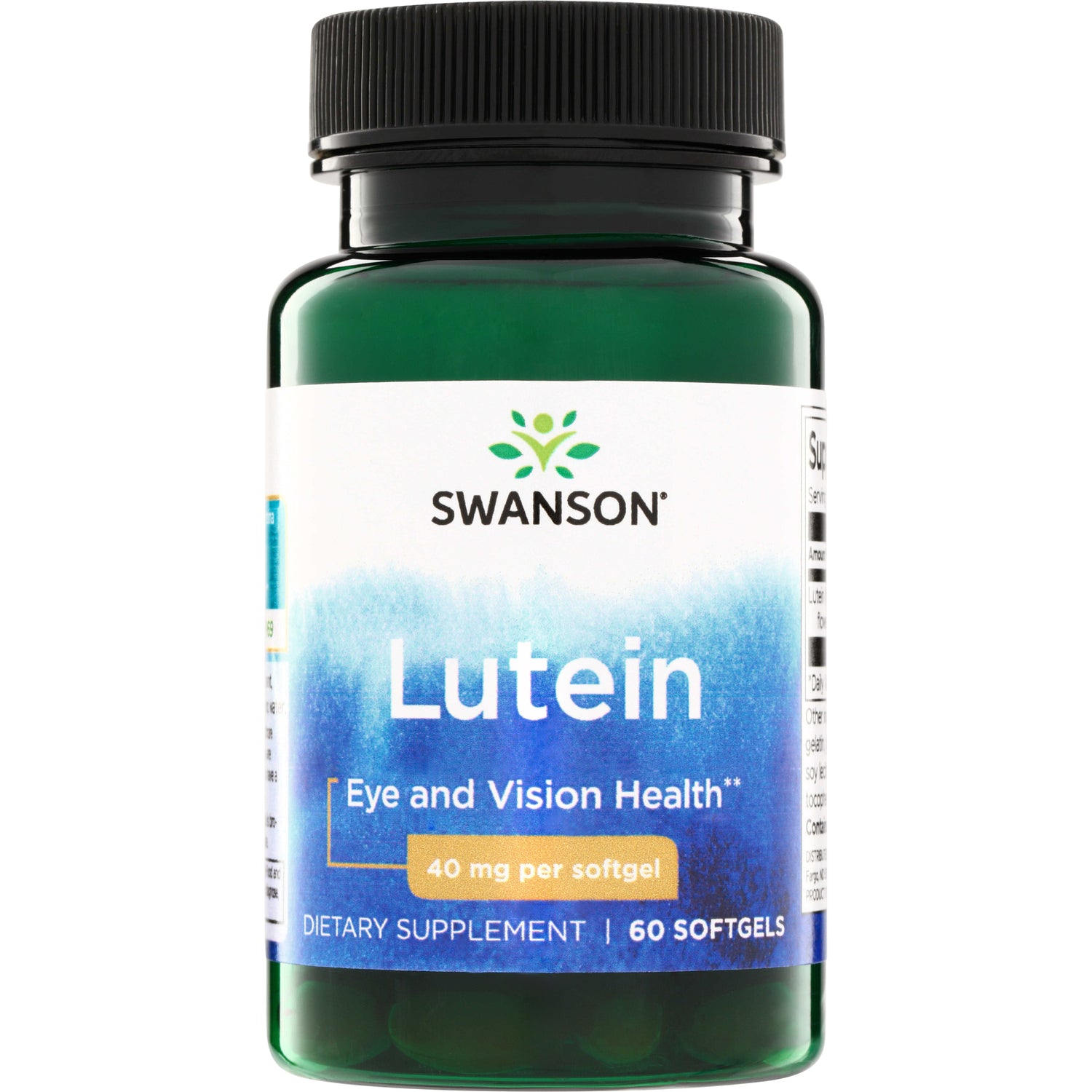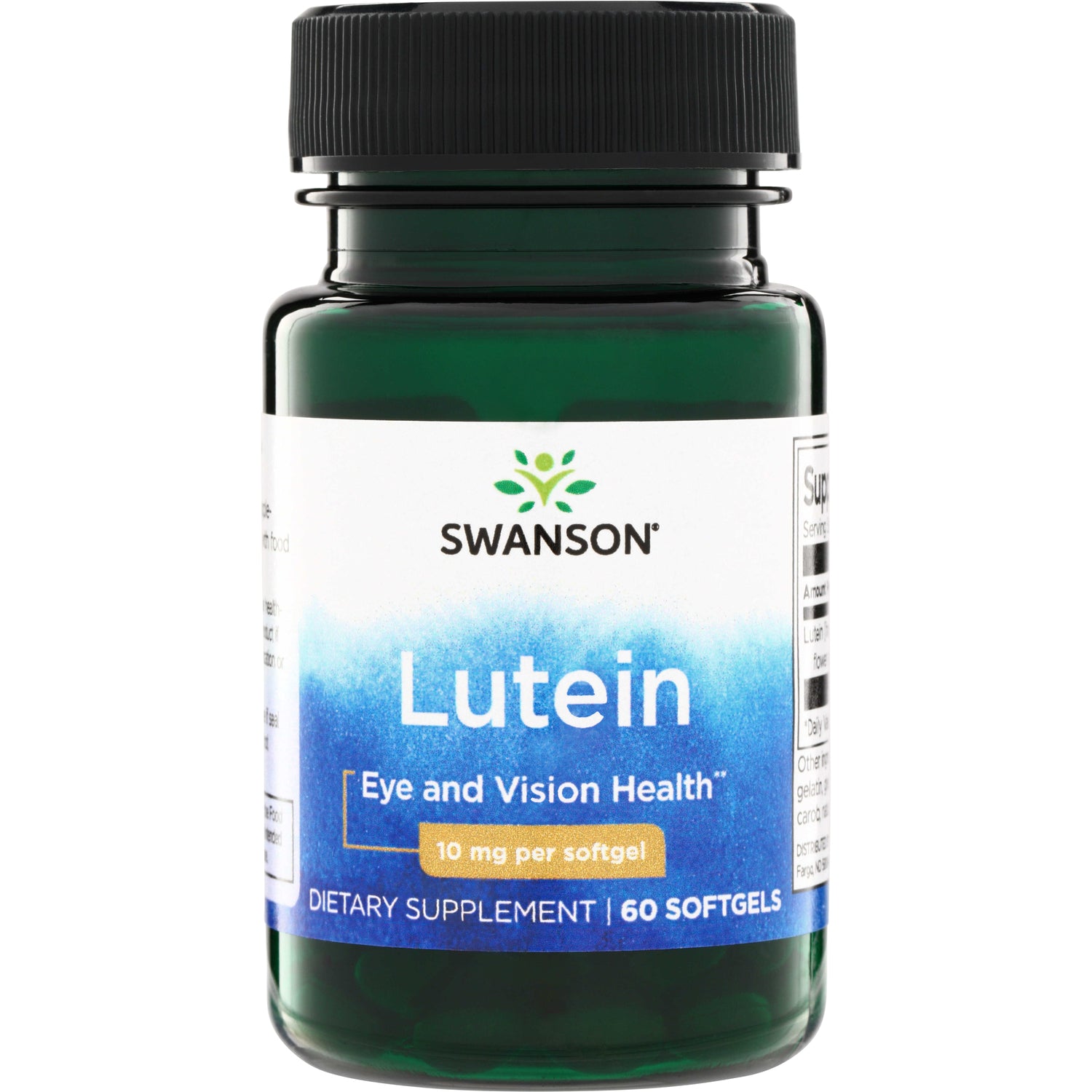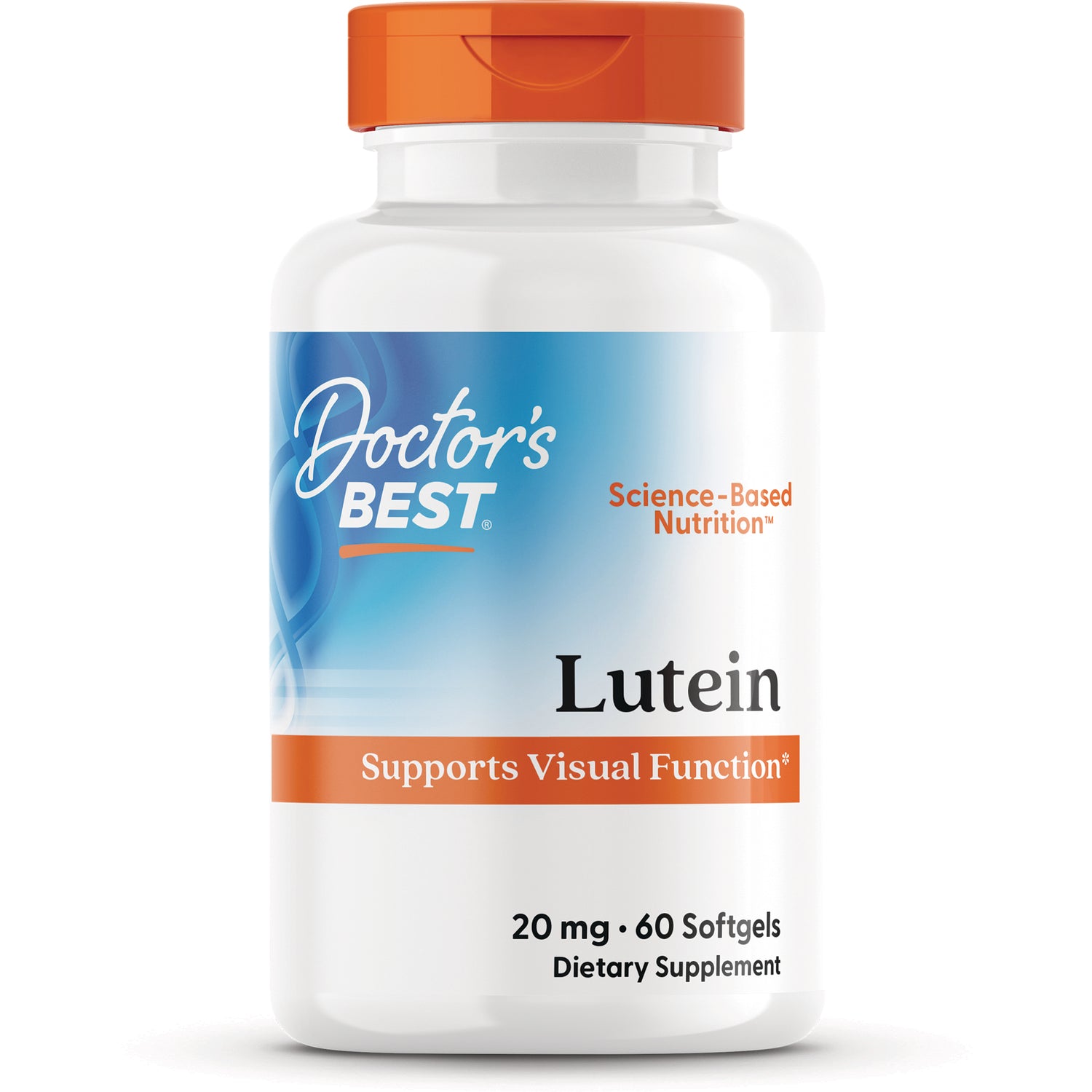

Many people search for lutein when long hours of screen time or reading start to feel tiring, and one of the first questions that appears is whether free lutein or esterified lutein is the better choice. The challenge is that product labels are often full of technical terms, and different brands highlight different advantages, which makes the decision confusing. This article explains the key differences in structure, absorption, and dosage between the two forms, summarizes what research and expert opinions suggest, and offers practical checklists for choosing a product that fits age, lifestyle, and personal preferences. The information is for general education only and does not replace medical advice; those with existing eye conditions or chronic disease should discuss options with an eye doctor or healthcare professional.
What are free and esterified lutein?
Lutein in nature appears mainly in two chemical forms: free lutein and lutein esters, usually called esterified lutein on supplement labels. Free lutein is the basic form that is already “unlocked,” while esterified lutein is lutein bound to long-chain fatty acids, making the overall molecule larger. In food sources like marigold extract, both forms can be found, and manufacturers use processes such as saponification to convert esterified lutein into free lutein for certain ingredients. For consumers, these structural details mainly matter because they may influence how much lutein is present per milligram of raw material and how easily the body can access it after digestion. Understanding the naming on the label is the first step toward comparing products objectively.
Structural differences and what they mean on the label
From a structural perspective, esterified lutein has roughly twice the molecular weight of free lutein, because the fatty acid portion and the lutein portion each account for about half of the mass. That means 20 milligrams of esterified lutein raw material does not equal 20 milligrams of pure lutein; the actual lutein content is closer to half of that amount. By contrast, when a label states 10 milligrams of free lutein, it typically refers to 10 milligrams of active lutein itself, without needing to subtract the weight of fatty acids. For consumers comparing products, this means that it is important to check whether the dose printed on the bottle is expressed as “lutein ester” or as “free lutein,” and whether the brand clarifies the equivalent amount of lutein. Products that clearly state “10 mg lutein (from lutein esters)” or similar wording are generally easier to compare across brands.
Absorption: what does the research actually say?
One common claim is that free lutein is “better absorbed” because it does not require an extra hydrolysis step in the intestine, while esterified lutein must first be broken down by enzymes to release free lutein before absorption. Some controlled studies have reported that, at the same nominal dose, blood lutein levels after free lutein supplementation were roughly 17–23 percent higher than after esterified lutein, suggesting a modest advantage in absorption efficiency for the free form under those study conditions. On the other hand, a 2011 opinion from the European Food Safety Authority described lutein from esters as having bioavailability similar to lutein itself, indicating that, when properly formulated, both forms can be utilized. Taken together, current evidence does not show an overwhelming winner for everyone, but it does suggest that free lutein may provide slightly higher blood levels per milligram in some settings, while overall lifestyle, fat intake with meals, and long‑term consistency of use may be just as important.
Daily dose, timing, and the role of diet
Beyond the form, the amount of lutein and the way it is taken make a large difference in practice. Many expert groups and regulatory agencies suggest daily intakes in the range of about 6 to 10 milligrams for general maintenance, with some recommendations going up to around 30 milligrams per day as an upper limit for adults. More is not always better, and very high intakes over long periods do not linearly translate into better outcomes, so “appropriate and consistent” tends to be the guiding principle. Because lutein is fat‑soluble, taking it with a meal that contains some fat, such as breakfast with eggs, yogurt, or nuts, can support absorption for both free and esterified forms. People who rely heavily on high‑dose beta‑carotene should be aware that carotenoids can compete for absorption; spacing lutein and high beta‑carotene intakes apart is often recommended by nutrition professionals.
Matching the form to age and digestive comfort
When choosing between free lutein and esterified lutein, many dietitians focus less on the abstract “better” and more on individual context. Free lutein, with its smaller molecular form and lack of an extra hydrolysis step, is often viewed as a practical option for those with sensitive digestion or reduced fat absorption, such as some older adults. People who prefer lower doses with comparatively higher absorption per milligram may also lean toward free lutein, especially if taking only one capsule per day. Esterified lutein, on the other hand, is widely used in raw materials and can perform well when the formula includes appropriate fats and when the label clarifies the equivalent lutein content. For children or adults who dislike swallowing capsules, the more decisive factor may be the dosage form—such as softgels, chewables, or drinks—rather than whether the lutein is free or esterified, as long as the total lutein and overall formula match their needs.
Other key factors: zeaxanthin, screen time, and label transparency
The free‑versus‑esterified debate can sometimes distract from other elements that strongly influence how a lutein product fits a person’s routine. One important factor is the presence of zeaxanthin and the ratio between lutein and zeaxanthin. Many research‑based formulas use a 10:2 ratio, reflecting the natural composition found in the macula, the central area of the retina. For younger adults who spend many hours with computers or smartphones, ingredients such as anthocyanins from bilberry or blackcurrant, or astaxanthin, frequently appear alongside lutein and zeaxanthin in products designed for heavy screen use. Label transparency also matters: clear indications of lutein form, exact milligram amounts of each carotenoid, and any added sweeteners or flavorings allow consumers to compare options without relying solely on marketing claims or endorsements.
Practical checklist: which one may be better for you?
To decide between free and esterified lutein, it can be useful to translate all the information into a simple checklist. Those with sensitive digestion, lower fat intake, or a preference for smaller daily doses may consider free lutein first, while paying attention to a total daily intake in the commonly recommended range and taking it with food. People who already use a well‑known brand based on esterified lutein with clearly labeled equivalent lutein content might choose to stay with that product and focus on consistency, meal timing, and overall dietary patterns rich in dark green vegetables. For individuals with diagnosed eye conditions, those taking multiple medications, or those planning intakes at the higher end of the suggested range, consultation with an ophthalmologist or healthcare professional is important before changing products or doses. In all cases, lutein should be viewed as one piece of a broader lifestyle approach that includes balanced diet, lighting habits, breaks from screens, and regular eye checkups, rather than as a stand‑alone solution.