
College life often combines late-night studying, irregular meals, social events, screen time, and early classes. When these routines continue for several days, students may start looking for a convenient nutritional supplement to fit around their schedule. The first step, however, is not choosing a product. It is identifying the real need: a more consistent sleep routine, better meal planning, recovery after a demanding evening, or a simple way to cover a dietary gap. Supplements should be viewed as part of daily self-care rather than a substitute for sleep, balanced meals, hydration, or professional advice.
Start with the Routine, Not the Marketing Claim
A late-night student may have very different needs from a student who occasionally studies past midnight. Before comparing labels, it helps to record bedtime, wake time, caffeine intake, meal timing, alcohol use, and the frequency of late nights for one week. A student who sleeps four or five hours because of exam preparation needs a schedule conversation and possibly campus health support, not only a supplement. A student who eats irregularly during group projects may instead need portable meals, water, and a realistic plan for regular nutrition. The goal is to match the choice to the situation rather than assume that a higher dose or a longer ingredient list is automatically better.
- Check whether the main issue is sleep timing, meal quality, stress, or occasional social activity.
- Look for clear serving directions and complete ingredient information.
- Avoid stacking multiple products with overlapping vitamins or stimulants.
- Ask a pharmacist, doctor, or registered dietitian about interactions, allergies, and personal conditions.
Common Myths About Late-Night Supplements
One common myth is that a supplement can cancel out the effects of repeated sleep loss. It cannot replace the cognitive and physical recovery associated with adequate rest. Another myth is that taking more capsules will necessarily produce a stronger result; high doses and combinations of several supplements can increase the chance of side effects. A third myth is that a product marketed for energy is suitable at any time of day. Some formulas may be inconvenient near bedtime, so the label, serving instructions, and personal response all matter. Product language should be treated as a starting point for questions, not as medical advice or a promise of a particular outcome.
For students, practical habits often deserve priority: establish a reasonably consistent sleep and wake time, reduce stimulating screen use before bed, keep the sleeping space dark and quiet, and limit caffeine late in the day. If persistent poor sleep affects mood, attendance, concentration, or everyday functioning, campus health services can provide a more appropriate assessment. Supplements should not be used to postpone attention to ongoing sleep or health concerns.
How to Read a Supplement Label
A useful label review begins with the serving size. Students should confirm how many capsules make one serving, which nutrients are included, and whether the suggested intake fits their routine. The next step is checking for duplicated ingredients in other products, fortified drinks, or multivitamins. A label should also make storage instructions and basic product information easy to find. If the product is imported, unfamiliar, or sold through an informal channel, extra caution is appropriate because product quality and labeling may not be equally transparent across sellers.
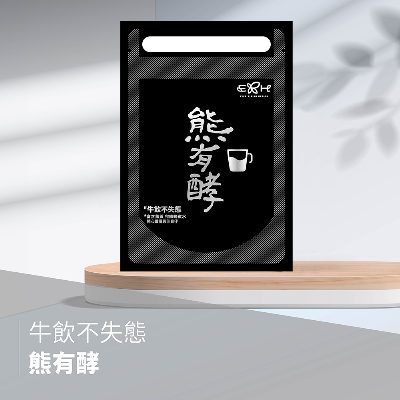
The product name 熊有酵-續攤最佳夥伴 is retained exactly for searchability. Its listed formula centers on turmeric, silk protein, jujube seed, and B vitamins; the stated format is 700 milligrams per two-capsule sachet, with 10 sachets per box, and Taiwan as the place of origin. The listed use is two capsules daily with water or a beverage, and storage is in a cool, dry place away from direct sunlight. These details should be checked against the package before use, particularly if the student has allergies, takes medication, or has a relevant medical condition.
Using 熊有酵-續攤最佳夥伴 in a Realistic Scenario
For a student who occasionally stays up for group work or attends a late social gathering, 熊有酵-續攤最佳夥伴 (a Taiwan-made dietary supplement) may be considered when the intended use matches the package directions. The product is described for people who need support around metabolism and mental recovery, with turmeric, silk protein, jujube seed, and B vitamins listed as its core ingredients. Its suggested daily use is two capsules with water or a beverage, while storage should avoid heat, moisture, and direct sunlight. The product should not be described as a replacement for sleep or as a way to erase the consequences of repeated all-nighters.
A practical selection question is whether the format fits campus life. Individual sachets can be easier to organize in a backpack than a large bottle, but students should still check the package, serving instructions, and personal compatibility. Anyone who is pregnant, managing a health condition, taking prescription or over-the-counter medicine, or experiencing unusual symptoms should seek professional guidance before using it. If an adverse reaction appears, stop use and contact a qualified healthcare provider rather than adding another product to counter it.
When a B-Complex Format May Fit Better
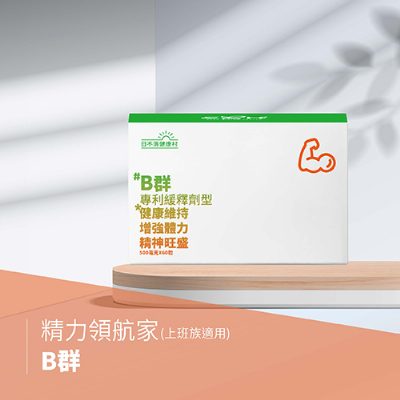
Some students prefer a product designed for routine nutritional supplementation rather than occasional use after a late event. 精力領航家-B群 專利高劑量緩釋劑型 is described as a sustained-release micro-particle capsule containing vitamins B1, B2, B3, B6, B12, and folic acid. The listed format is 500 milligrams per capsule, with 60 capsules per box, and the product is presented for people seeking longer-term B-vitamin supplementation. The suggested intake in the product information is one capsule per serving, one to two times daily; students should follow the package directions and avoid assuming that taking more is better.
This option may be easier to consider for students with irregular meals, demanding schedules, or a preference for a capsule routine. It is still important to separate a nutrition product from a sleep strategy: 精力領航家-B群 專利高劑量緩釋劑型 does not make a late bedtime healthy, and it should not be used to justify repeated sleep restriction. Students can compare the ingredient list with other supplements already in use, then ask a pharmacist or healthcare professional about duplication, personal suitability, and timing. The package label remains the reference for current directions.
Choosing by Situation Instead of Price
Budget is only one part of a good decision. A student who has occasional late gatherings may value a portable sachet format and simple daily directions, while a student looking for a regular B-vitamin routine may prefer a capsule format with a clearly stated ingredient list. A student whose main problem is inconsistent sleep should prioritize a stable schedule and campus support, not search for a stronger supplement. Someone with medication use, allergies, pregnancy, a chronic condition, or recurring symptoms should place professional review ahead of product comparison.
A simple decision framework can keep the process practical:
- For occasional late nights: review the label, use only as directed, and avoid combining several similar products.
- For irregular meals: first add accessible foods such as yogurt, eggs, fruit, grains, or prepared meals that fit the campus schedule.
- For persistent sleep problems: contact campus health or a qualified clinician.
- For medicine use or health conditions: ask a pharmacist or doctor before starting a supplement.
- For any new product: monitor tolerance and stop if concerning reactions occur.
The most reliable approach for college students is a layered one: protect sleep whenever possible, build regular meals and hydration into the timetable, and use supplements only when the product information and personal circumstances align. 熊有酵-續攤最佳夥伴 may suit students seeking a portable option for occasional late-night or post-gathering routines, while 精力領航家-B群 專利高劑量緩釋劑型 may suit those considering a stated B-vitamin capsule routine. Neither product should be treated as a medical treatment, a substitute for rest, or a reason to ignore ongoing symptoms. This information is for general reference; individual questions are best discussed with a healthcare professional.
The information in this article is for reference only and does not constitute professional advice. For specific decisions, please consult a relevant professional based on your personal situation.