
Endurance athletes often face a difficult nutrition balance: they need enough energy to train, yet many also want to manage body composition. The most practical approach is not to remove carbohydrates or rely on a long list of supplements. It is to match food and fluid intake with the length, intensity, weather, and purpose of each session. A weekend cyclist, marathon trainee, open-water swimmer, and trail runner may all need different plans, even when their weekly training hours look similar.
A useful strategy begins with ordinary meals, then adds targeted fuel for demanding sessions. Carbohydrate-rich foods can provide training fuel, protein can be distributed across the day, and fluids can be planned rather than left to chance. Supplements may be convenient in specific situations, but they should not replace a complete diet or be treated as automatically suitable for every athlete.
Match Fuel to the Training Session
Carbohydrate needs change with training load. An easy recovery ride of less than an hour may require only normal meals and water, while a long run, brick workout, or high-volume cycling session can require planned carbohydrate intake before and during exercise. Sports nutrition guidance commonly places moderate daily carbohydrate needs around 5–7 grams per kilogram of body weight, with higher training volumes sometimes requiring approximately 6–10 grams per kilogram. These are planning ranges, not mandatory targets for every person.
The purpose of the session also matters. For a low-intensity technique workout, a normal breakfast such as oats with fruit and yogurt may be enough. Before a long weekend ride, rice, toast, bananas, potatoes, or a familiar sports drink can be easier to organize. Athletes pursuing body-composition goals can place more carbohydrate around demanding sessions and choose portions that fit the rest of the day, rather than cutting fuel indiscriminately.
Build Meals Around Carbohydrate and Protein
A balanced endurance meal usually combines a carbohydrate source, a protein source, colorful produce, and enough fat to support satiety and flavor. Examples include rice with grilled chicken and vegetables, pasta with tuna and tomato sauce, a baked potato with eggs and salad, or a tofu grain bowl. The best option is one that the athlete can digest comfortably and repeat consistently. New foods, high-fiber recipes, or unusually rich meals are better tested away from race day.
Protein is useful across the day rather than only in one large evening meal. Greek yogurt, milk, eggs, fish, lean meat, tofu, tempeh, beans, and soy products can be distributed across breakfast, lunch, snacks, and dinner. After a demanding session, a meal containing carbohydrate and protein can be practical, especially when another workout is scheduled soon. For athletes with medical conditions, restrictive diets, or a history of disordered eating, individualized advice from a registered dietitian is more appropriate than aggressive calorie targets.
Plan During-Exercise Carbohydrate
For sessions lasting longer than about an hour, carbohydrate during exercise can be useful because it provides a portable source of energy. A commonly used starting range is 30–60 grams per hour, while some experienced athletes training for very long events may use more after carefully practicing tolerance. Options include sports drinks, bananas, low-fiber bars, chews, jam sandwiches, and energy gels. The choice should reflect the athlete’s stomach tolerance, event rules, access to aid stations, and ability to carry supplies.
Timing is as important as the product. A runner might take small amounts every 20–30 minutes instead of waiting until energy feels low. A cyclist can place gels or food in a top-tube bag and coordinate intake with flatter road sections. Every race plan should be rehearsed during training, including packaging, water access, flavor fatigue, and gastrointestinal responses. Products that feel comfortable during a short workout may behave differently during heat, hills, or competition intensity.
Hydration and Electrolytes Need Individual Planning
Fluid needs vary with body size, sweat rate, temperature, humidity, clothing, pace, and access to water. Drinking according to a rigid universal volume can be inappropriate, particularly in long events. Athletes can compare body weight before and after selected training sessions, note urine color as a broad everyday indicator, and record thirst, weather, and fluid intake. Large unexpected weight changes or persistent symptoms during exercise warrant professional assessment.
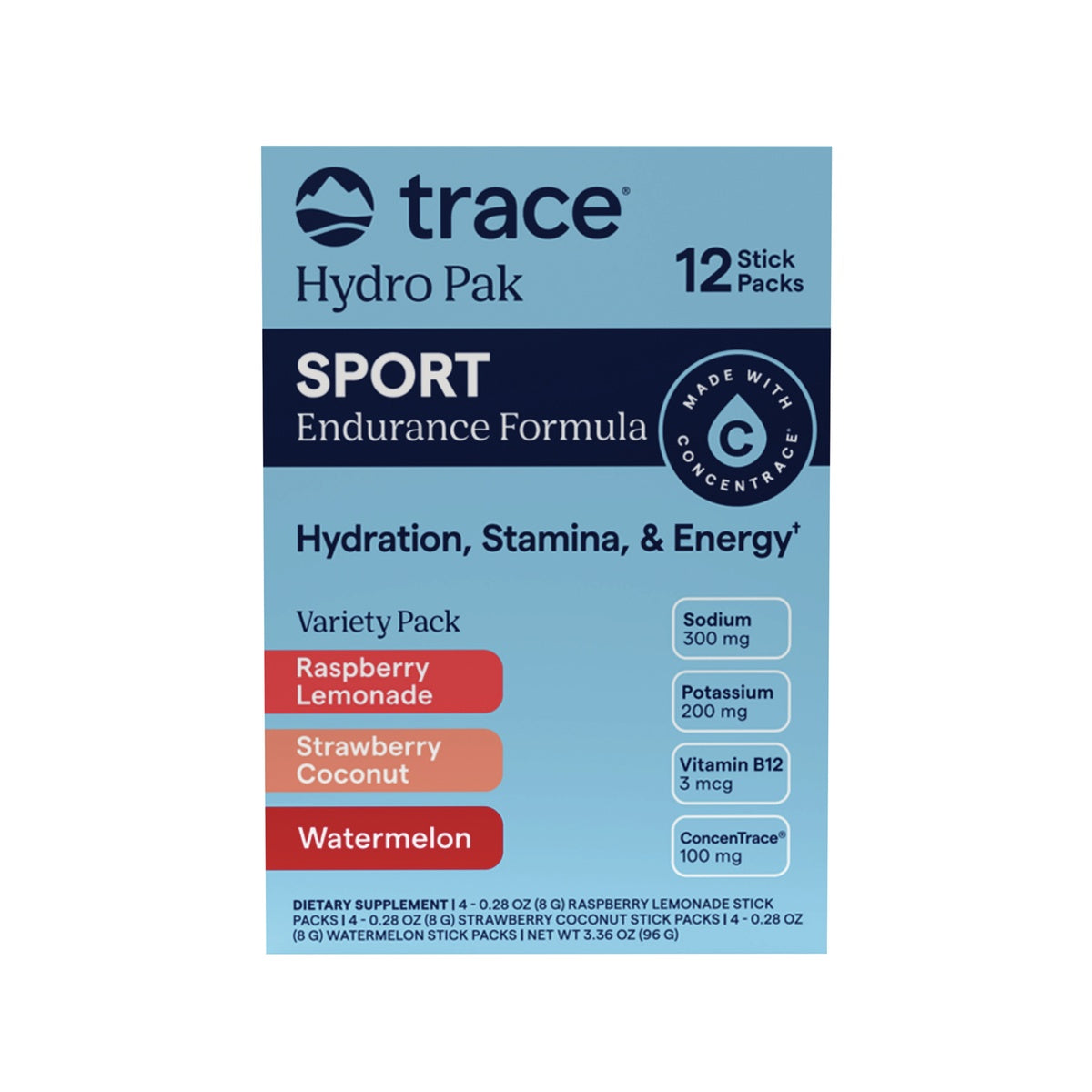
Electrolyte drinks may be convenient during prolonged or hot sessions, especially when sweat losses are substantial. They are not required for every short, easy workout, and more is not automatically better. A practical plan may use water for an easy morning run, a carbohydrate-electrolyte drink for a humid long ride, and ordinary meals containing salty foods after training. Athletes with kidney, heart, blood-pressure, or medication-related concerns should seek medical or pharmacy advice before deliberately increasing electrolyte intake.
Use Supplements With a Clear Reason
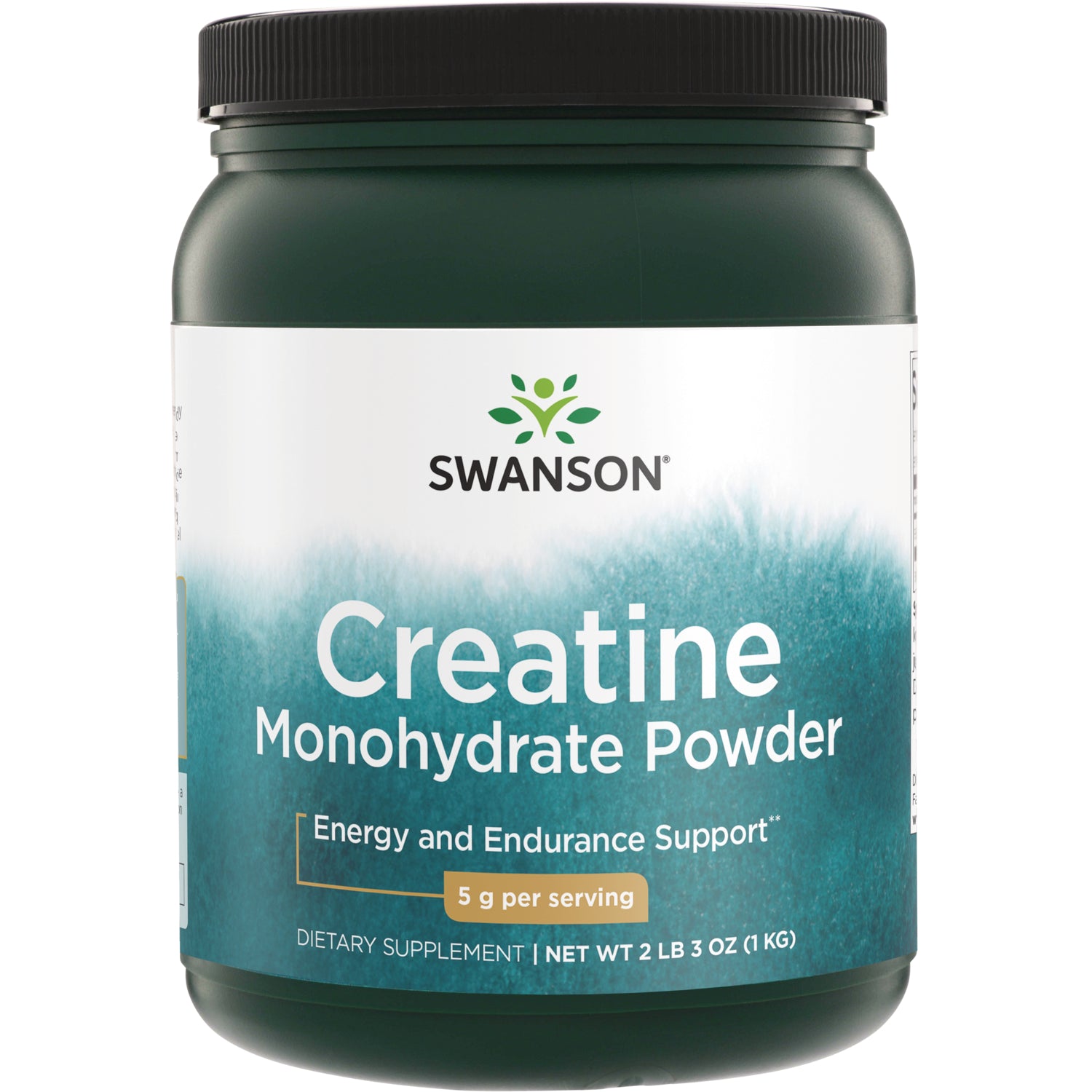
Supplements should come after an assessment of food intake, training demands, and possible nutrient gaps. The International Olympic Committee’s 2018 consensus statement notes that only a limited number of performance-oriented supplements have a strong evidence base, and that responses can vary between individuals. It also emphasizes testing products in training or simulated competition before using them in an event. This is particularly important for energy gels, caffeine products, powders, and multi-ingredient formulas.
In Taiwan, “health food” is a regulated legal category associated with a Health Food Permit and the approved small-green-person mark. Ordinary foods and general food supplements should not be presented as products with officially recognized health functions, and no food should be marketed with disease-related claims. Consumers can check the label, serving information, allergens, expiration date, manufacturer, and certification details rather than relying on dramatic advertising. Competitive athletes should also consider contamination and anti-doping risks and choose products with credible quality controls.
Adapt the Strategy for Body-Composition Goals
Endurance training and body-composition goals can coexist, but aggressive restriction often creates practical problems: low training quality, poor recovery, persistent hunger, or difficulty completing planned sessions. A more sustainable method is to keep fuel available for key workouts while using lighter portions or simpler meals on rest days. For example, a long-ride day may include oats and fruit at breakfast, a rice-based lunch, planned ride fuel, and a protein-rich dinner, whereas an easy day may use smaller carbohydrate portions without eliminating them.
Progress should be evaluated with more than a single scale reading. Training consistency, mood, sleep, menstrual health where relevant, injury patterns, performance, and hunger can all provide important context. Sudden fatigue, repeated illness, dizziness, menstrual disruption, or declining performance may indicate that intake and training stress are poorly matched. In those situations, a sports dietitian or qualified healthcare professional can help create a plan that respects both performance and health.
The most reliable endurance-fueling strategy is specific, practiced, and flexible. Start with regular meals, identify the sessions that truly need carbohydrate during exercise, plan fluids around conditions and personal sweat patterns, and reserve supplements for a clearly defined purpose. Athletes should test one change at a time during training, keep brief notes on timing and tolerance, and avoid making major dietary changes immediately before a race. A plan that works on an ordinary Tuesday is usually more valuable than an elaborate routine that cannot be repeated.
When a product is marketed as a health food, its legal status and approved claims should be checked separately from its sports-nutrition role. Food labeling, athlete-specific risks, medication use, and medical history can all change the appropriate choice. For persistent gastrointestinal symptoms, unusual fatigue, significant weight changes, or concerns about restrictive eating, professional assessment should take priority over online supplement advice.
This article is for general wellness reference only. Claims about foods or supplements should be verified against the approvals issued by your local health authority. Consult a doctor or pharmacist if you have a medical condition or special dietary needs. It does not constitute medical advice and is not a substitute for professional diagnosis.