Digestive discomfort can appear as bloating, early fullness, belching, nausea, irregular bowel habits, or a burning sensation after meals. Because these experiences can have many causes, choosing a daily digestive-care product should begin with the person’s routine and the label—not with the loudest claim on the package. Meal timing, portion size, hydration, fibre intake, sleep, stress, and medication use all deserve attention before adding a supplement. Products may fit into a wellness routine, but they should not replace medical assessment when symptoms are severe, persistent, or unusual. This guide explains how to compare probiotic, prebiotic, postbiotic, enzyme, and plant-based options, then uses several named products as practical examples. The information is for general reference; people with chronic illness, weakened immunity, pregnancy, breastfeeding, or regular medication use should seek professional advice before using supplements.
Start with the pattern, not the product
A useful first step is to record what happens, when it happens, and what was eaten beforehand. A person who feels overly full after large, late meals may need to examine portions and meal timing, while someone with irregular bowel habits may need to review fibre, fluids, movement, and consistency across the week. Recurrent heartburn, swallowing difficulty, frequent vomiting, black stools, bloody vomit, unexplained weight loss, severe constant abdominal pain, or persistent symptoms warrant medical attention rather than self-selection of supplements. Diarrhoea with dehydration, high fever, blood, severe pain, or a prolonged course also requires prompt evaluation. These warning signs matter because indigestion and bowel changes can sometimes reflect conditions that need diagnosis, not just a change in product choice. A supplement can be considered only after the basic context is clear and the label matches the person’s actual needs.
How to compare digestive-care labels
Probiotics are live microorganisms, while prebiotics are substrates used by microorganisms in the gut; postbiotics refer to preparations involving inactivated microorganisms or their components. A product may combine more than one category, so the ingredient panel should be read carefully instead of relying on front-label wording. Check the named strains, serving size, storage instructions, suggested daily amount, allergens, sweeteners, and any cautions. A higher number of organisms does not automatically mean a better choice, and a longer ingredient list may be less suitable for someone sensitive to fibres, flavourings, or specific food components. Digestive enzyme products should also be judged by the enzymes listed and the directions for use, not by broad promises about metabolism. The practical goal is a clear, tolerable routine that can be monitored over time, with expectations kept realistic.
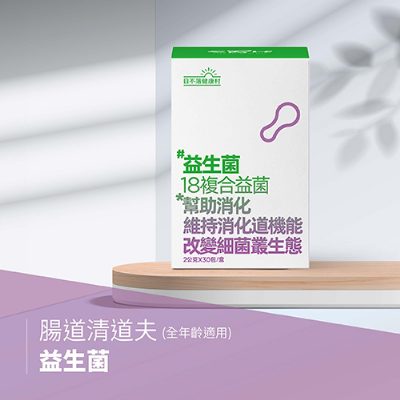
Example: 18複合益生菌-腸道清道夫
18複合益生菌-腸道清道夫 is presented as a capsule product with 30 sachets per box and 18 probiotic strains, including Bifidobacterium, Lactobacillus, and Streptococcus genera. The product information states that it also contains prebiotics and postbiotics, and that each sachet provides 30 billion probiotic organisms. This combination may appeal to readers looking for a broad, multi-component digestive-care format rather than a single-strain product. The stated directions are one to two sachets daily, taken directly or with water, while avoiding water above 45°C. The label information also mentions lactose, inulin, soluble fibre, and fermented fruit and vegetable ingredients, with no artificial ingredients stated in the supplied description. Anyone with food sensitivities should review the complete package label, and people who are seriously ill or immunocompromised should discuss probiotics with a healthcare professional first.
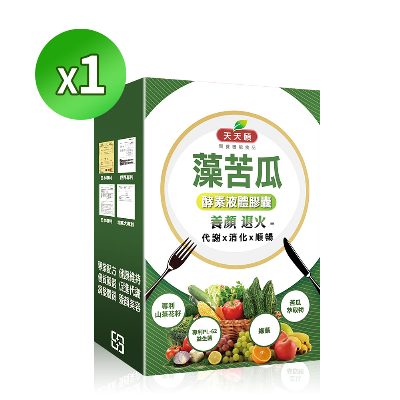
Example: 藻苦瓜 酵素液體膠囊 and plant-based formulas
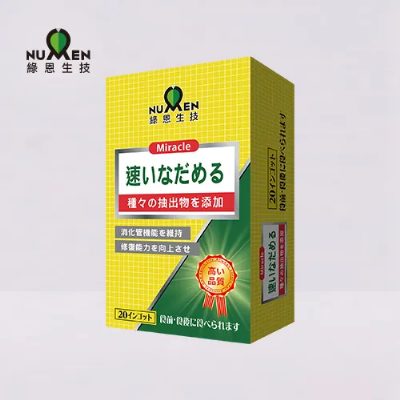
藻苦瓜 酵素液體膠囊 is described as a liquid capsule supplied in a 30-capsule box, with one capsule representing a 0.6-gram serving. Its listed components include bitter melon extract, proprietary PL62 probiotics, Japanese camellia seed extract, and green algae. The suggested routine is one capsule daily with water, used before or after a meal. This format may suit adults who prefer a single-capsule routine and want a product that combines plant extracts with a probiotic ingredient. The product should still be compared with the person’s dietary pattern, sensitivities, medication schedule, and reason for use rather than selected because of the word “enzyme” alone. Another option, 綠恩Miracle舒衛樂, lists cabbage concentrate powder, okra extract, black ginger extract, pearl powder, burdock extract, white yam extract, and maltodextrin; its stated use is two capsules daily, one in the morning and one in the evening, before or after meals.
Examples for convenient daily formats
BC is a jelly-style product identified as BC -β 敏趕複合益生菌果凍, with 15 grams per sachet and 14 sachets per box. The supplied label information lists ingredients including erythritol, fruit concentrates, beta-glucan, heat-killed Lactobacillus kefiranofaciens M1, and spore-forming lactic acid bacteria. The stated directions are one sachet daily for children and one to three sachets daily for adults, with a maximum of three for adults; the package advises storage in a cool, dry, ventilated place away from heat and direct sunlight. 500億好菌★順暢益生菌 is a powder format with 30 servings per package, combining probiotic strains, prebiotic ingredients, soluble fibre, postbiotic fermentation material, and digestive enzymes according to its product description. Its stated suggested intake is one sachet daily. These products may be considered when portability, taste, or a non-capsule format matters, but the full label remains the deciding reference for allergens, age suitability, and storage.
Common selection mistakes to avoid
One common mistake is treating digestive discomfort as a single problem with one universal answer. Bloating after a specific food, reflux after late meals, constipation during low-fibre weeks, and diarrhoea after an infection are different situations and should not automatically lead to the same supplement. Another mistake is changing several products at once; doing so makes it difficult to identify tolerance, timing issues, or unwanted effects such as gas. People may also overlook non-supplement factors, including eating rapidly, large portions, insufficient fluids, irregular sleep, alcohol, smoking, or frequent use of medicines that can irritate the stomach. A more measured approach is to choose one clearly labelled product, follow its directions, track symptoms and routine changes, and reassess rather than continually increasing intake. For children, older adults, pregnancy, breastfeeding, serious illness, or immune compromise, professional guidance should come before experimentation.
Match the choice to the person’s routine
For someone who values a multi-strain capsule and wants prebiotic and postbiotic components in the same product, 18複合益生菌-腸道清道夫 offers the clearest fit among these examples, provided the label and directions are suitable. A person who prefers one capsule and is specifically comparing plant-based ingredients with a probiotic component may examine 藻苦瓜 酵素液體膠囊. Those who prioritise a jelly format may look at BC, while powder users may compare 500億好菌★順暢益生菌. 綠恩Miracle舒衛樂 may be relevant to readers seeking a plant-ingredient capsule routine and should be used according to its stated directions. The best match is therefore defined by format, ingredient tolerance, schedule, and professional advice when relevant—not by the largest numerical claim or the most dramatic wording. Digestive supplements are optional tools within broader daily care, not substitutes for diagnosis or treatment.
A practical conclusion
A sensible digestive-care decision begins with observation, basic lifestyle habits, and a careful reading of the complete label. Compare the form, named ingredients, serving directions, storage requirements, and cautions, then introduce only one new product at a time so the routine remains understandable. Product descriptions should not be interpreted as promises of medical results, and a person should stop self-management and seek care when warning signs appear or symptoms continue. For everyday use, consistency and suitability are more useful decision criteria than marketing intensity. 18複合益生菌-腸道清道夫, 藻苦瓜 酵素液體膠囊, 綠恩Miracle舒衛樂, BC, and 500億好菌★順暢益生菌 each represent different formats and ingredient combinations; the appropriate choice depends on the individual context and package directions.
The information in this article is for reference only and does not constitute professional advice. For specific decisions, please consult a relevant professional based on your personal situation.