
A gut-friendly diet is less about finding one “perfect” food and more about building repeatable eating habits. The digestive tract responds to the overall pattern: the variety of plant foods, the amount of fiber, regular meal timing, hydration, and how often highly processed foods appear. For many people, the most practical starting point is to add different vegetables, fruit, beans, whole grains, nuts, and seeds across the week rather than relying on a single capsule. Fermented foods and probiotic products can fit into that pattern, but labels, tolerance, and individual needs still matter. This guide explains how to choose foods and products carefully, clears up common misunderstandings, and uses several listed products as examples without treating supplements as substitutes for professional care.
Start with variety, fiber, and gradual changes
Fiber is found in foods such as oats, brown rice, whole-wheat bread, beans, lentils, fruit, vegetables, nuts, and seeds. A varied plate supplies different types of fiber and gives meals more texture and flavor, while also making the eating pattern easier to sustain. A sudden jump from a low-fiber diet to large portions of legumes, raw vegetables, or bran may cause temporary gas or bloating, so a gradual approach is more realistic. Adding one extra vegetable at lunch, choosing oats at breakfast, or replacing one refined-grain serving with a whole-grain option creates a manageable progression.
Hydration and meal context also matter. A person who adds more fiber but drinks very little may find the change uncomfortable, especially when meals are irregular. Simple combinations can work well: oatmeal with fruit and seeds, brown rice with tofu and vegetables, or a bean soup paired with a side salad. People with persistent abdominal pain, blood in the stool, unexplained weight change, ongoing diarrhea, or severe constipation should seek medical assessment rather than attempting to manage warning signs with food or supplements alone.
Probiotics, prebiotics, and fermented foods are not the same
Probiotics are live microorganisms found in some fermented foods and supplements, while prebiotics are fermentable carbohydrates that serve as food for microorganisms in the gut. Fermented foods may include yogurt with live cultures, kefir, kimchi, sauerkraut, miso, tempeh, and some pickled products, but processing can affect whether live cultures remain. Reading the label is therefore more useful than assuming every product described as fermented contains active cultures. Sodium, added sugar, dairy ingredients, and serving size are also relevant when selecting packaged foods.
The common myth is that a product with more strains or a larger number on the label must be the best choice for everyone. In practice, the product should match the user’s reason for considering it, dietary restrictions, storage needs, and tolerance. A supplement cannot compensate for a diet with very little fiber, and a fermented food does not automatically suit someone who is sensitive to its ingredients. Individuals with complex digestive symptoms, immune conditions, pregnancy, or regular medication use should discuss probiotic supplements with a doctor or pharmacist before use.
How to read a gut-health supplement label
A careful comparison begins with the full ingredient list, serving directions, storage instructions, allergens, and the distinction between general food information and legally recognized health-food claims. Shoppers can check whether strains are identified, whether the serving size is clear, and whether the product requires special handling. “Natural,” “high count,” or “enzyme” language should not be treated as proof that a product is suitable for a particular person. In Taiwan, general foods and supplements should not be described as diagnosing, treating, or curing disease, and health-related wording should remain within the product’s permitted labeling.
For example, 18複合益生菌-腸道清道夫 is described as a capsule product with 30 sachets per box, 18 probiotic strains including Bifidobacterium, Lactobacillus, and Streptococcus groups, plus prebiotics and postbiotics. The product information states 30 billion probiotic organisms per sachet and recommends one to two sachets daily, taken directly or with water below 45°C. Its listed ingredients include lactose, inulin, soluble fiber, and mixed fruit-and-vegetable fermentation materials, so people with dairy-related concerns should read the package carefully. The label and current directions should always take priority.
Comparing the listed products by situation
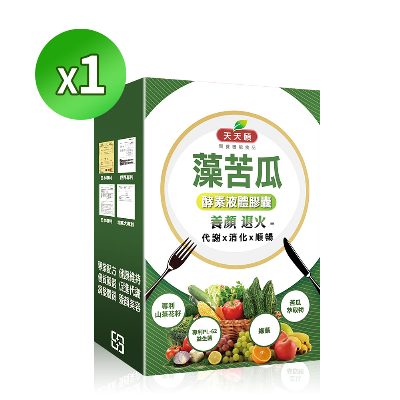
Different products may appeal to different shopping situations, but the comparison should stay anchored to what the package states rather than to broad promises. 藻苦瓜 酵素液體膠囊 is supplied as 30 capsules, with one 0.6-gram capsule per serving, and its listed ingredients include bitter melon extract, patented PL62 probiotics, Japanese camellia seed extract, and green algae. The stated use is one capsule daily with water, preferably before or after a meal. It may be considered by adults looking for a compact daily supplement format, while ingredient and medication considerations still require personal review.
蔓越莓益生菌 速酵力配方3gx/盒 is a portable powder format described as 30 sachets per box. Its ingredient information includes cranberry juice powder, cranberry extract, Bacillus coagulans BC198, several lactic-acid bacteria, and dairy-related ingredients, so vegetarians who avoid milk should check the label. The stated adult serving is one sachet at a time, with one to three sachets daily, either directly or mixed with water or juice. 綠恩Miracle舒衛樂 lists cabbage concentrate, okra extract, black ginger extract, pearl powder, burdock extract, white yam extract, and maltodextrin, with directions of two capsules daily, morning and evening.
Avoiding common buying mistakes
A frequent mistake is choosing a supplement before identifying the actual eating gap. Someone who rarely eats beans, vegetables, fruit, or whole grains may gain more from planning two fiber-containing meals than from immediately buying a multi-strain product. Another mistake is overlooking sugar, sodium, lactose, dairy components, serving size, or storage instructions because the front label emphasizes bacteria counts or botanical names. A third mistake is changing several products at once, which makes it difficult to tell which ingredient caused discomfort or whether the routine is sustainable.
綠恩血橙酵素EX is described as containing professionally extracted active fiber and an Italian Moro blood orange extract identified as Morosil®, with a suggested routine of one tablet in the morning and one in the evening. Because its product information focuses on fiber and a convenient tablet format, the package directions and complete ingredient details should be reviewed before use. The safest comparison method is to write down the goal, dietary restrictions, current medicines, desired format, and willingness to follow the directions, then compare only products that fit those conditions. Avoid absolute claims such as “guaranteed,” “best,” or “works for everyone.”
A practical routine for everyday meals
A sustainable routine can begin with one fiber-rich breakfast, one vegetable-forward lunch or dinner, and a small serving of a suitable fermented food if tolerated. For example, oats with a banana can be followed by a lunch of brown rice, tofu, leafy vegetables, and beans; dinner can include fish or another protein with pumpkin and mixed vegetables. The exact menu can reflect local eating habits, budget, allergies, and cultural preferences. Variety over several days is more practical than forcing every supposedly beneficial food into one meal.
If a supplement is added, use only the stated serving directions and introduce one product at a time. Keep a short record of ingredients, timing, digestive comfort, and any changes in regular medicines or medical symptoms. People with diagnosed digestive disorders, significant symptoms, pregnancy, immune compromise, or multiple prescriptions should ask a qualified healthcare professional before starting probiotic or enzyme supplements. Food-first habits, careful label reading, and realistic expectations create a more dependable foundation than chasing dramatic claims.
Final checklist before choosing
The best choice is not necessarily the product with the longest ingredient list or the largest number displayed on the package. First, build meals around diverse plant foods, fiber, adequate fluids, and a moderate amount of processed food. Next, check whether a fermented food or supplement fits the person’s dietary restrictions, symptoms, schedule, and ability to follow storage and serving instructions. Finally, treat product statements as label information rather than a promise of personal results, and seek professional advice when symptoms are persistent or concerning.
Among the listed options, 18複合益生菌-腸道清道夫 offers the most detailed multi-strain and prebiotic/postbiotic format described here, while the other products provide different capsule, tablet, or sachet formats and ingredient profiles. The decision should follow the reader’s needs beyond price: portability, dairy content, capsule versus powder, ingredient familiarity, and routine simplicity. A balanced dietary pattern remains the central starting point, with supplements considered only as an optional part of a carefully reviewed routine.
This article is for general wellness reference only. Claims about foods or supplements should be verified against the approvals issued by your local health authority. Consult a doctor or pharmacist if you have a medical condition or special dietary needs. It does not constitute medical advice and is not a substitute for professional diagnosis.