
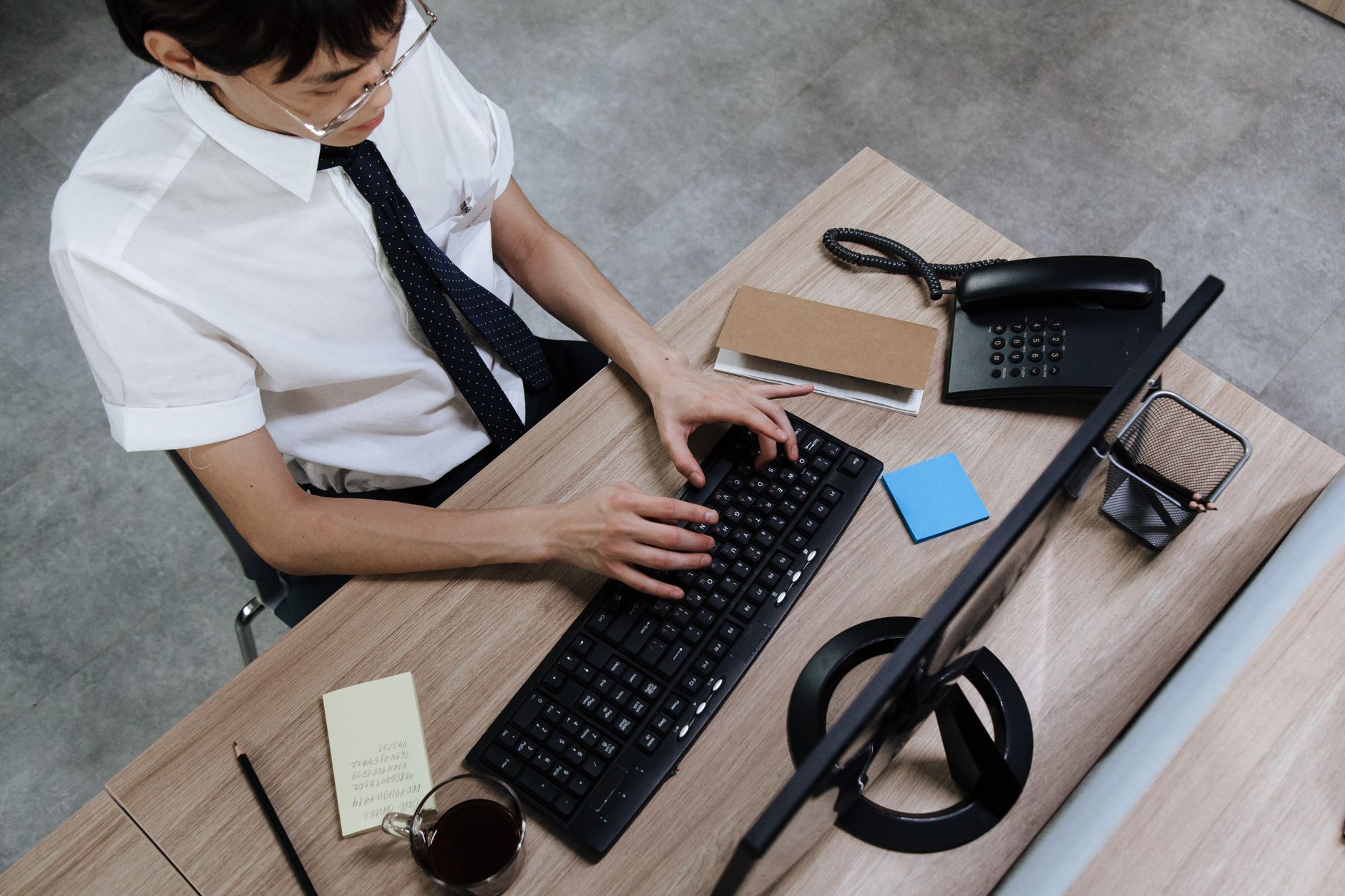
Many office men move from commute to desk to meeting with barely a pause, and health often becomes something to think about "later". Between emails, deadlines and family responsibilities, small daily choices can quietly shape long‑term wellbeing. Instead of chasing drastic changes, everyday health for office workers is mainly about building realistic routines around food, movement, stress, sleep and regular checkups. When habits match a typical workday, they are easier to keep, and over months and years that consistency often matters more than any short‑term challenge. This article offers practical, non‑medical ideas that readers can adapt to their own schedule and preferences.
Understanding the office lifestyle
Modern office work usually means long hours sitting in front of a screen, reacting to urgent messages and switching tasks quickly. Many men eat lunch at their desks, skip breaks and rely on coffee or energy drinks to stay focused through the afternoon. Over time, this pattern can make it harder to notice early signals like stiffness, fatigue or mood changes. Everyday health starts with recognizing how this environment shapes habits, both good and bad. When someone sees that meetings, commute time and overtime are regular parts of life, it becomes easier to design health routines that fit around them instead of fighting against reality.
For example, an office worker who knows he regularly works late can plan lighter dinners and short movement breaks in the afternoon, rather than promising himself long evening workouts that rarely happen. Another man who travels often for work might focus on portable snacks and simple stretches he can do in hotel rooms. Paying attention to one’s typical week, including busy and quiet days, helps transform vague goals like "get healthier" into specific actions tied to real situations.
Building practical daily routines
Daily routines do not have to be complicated to be effective; they mainly need to be consistent and realistic. Many office men benefit from anchoring health habits to fixed points in the day, such as waking up, coffee breaks, lunch, commute and bedtime. Simple patterns like drinking water when turning on the computer, standing up during every phone call, or taking five deep breaths before opening email can gradually shape a more supportive workday rhythm. These actions might feel small in the moment, but they are repeated hundreds of times across a year.
One helpful approach is to focus on one habit at a time, such as preparing breakfast at home or scheduling a short walk after lunch. Once that feels natural, another habit can be added, like stretching during meetings that do not require cameras. Many readers find it easier to track routines with phone reminders or a paper checklist rather than relying on willpower alone. Importantly, occasional busy days or business trips do not mean failure; everyday health is about coming back to the routine the next day instead of giving up because of a temporary interruption.
Smarter food choices for office days
Food decisions at work often come down to convenience: takeout, cafeteria meals, snacks from a vending machine, or whatever is left from a meeting. For office men, thoughtful planning can make these choices more supportive without requiring strict dieting. A balanced approach often includes vegetables or fruit, whole grains, and a mix of protein sources spread across the day, while keeping an eye on portion sizes and sugary drinks. Many workers notice that very heavy lunches can lead to afternoon sluggishness, whereas moderate portions with some fiber and protein feel steadier.
Practical strategies include preparing lunch boxes a few times per week, choosing options like salads with protein, grain bowls, or simple sandwiches with added vegetables when eating out. Keeping nuts, plain yogurt or fruit at the desk can make it easier to skip frequent pastries or candy. When buying coffee, some men reduce added sugar or switch to smaller cup sizes to avoid unintentional extra calories. Rather than chasing perfect nutrition, the goal is to make the usual choices slightly more balanced, so that over time the overall pattern aligns better with general health recommendations.
Moving more in a sedentary routine
A sedentary lifestyle, with hours of sitting and limited movement, is common among office men and can be challenging to change in a traditional workplace. However, small bursts of activity spread through the day are often easier to maintain than long, intense workouts that require extra travel and planning. Many readers find value in standing or walking when taking calls, using stairs instead of elevators where possible, and setting short timers to stretch their neck, shoulders and back between tasks.
Outside of work hours, everyday movement might include walking or cycling part of the commute, doing bodyweight exercises at home, or joining recreational activities like casual sports with friends. For men who feel uncomfortable in crowded gyms, home routines using simple equipment can be a more realistic starting point. The key is to link movement to existing habits, such as walking while listening to podcasts or meeting colleagues for a short walk instead of sitting in a break room. Over weeks and months, these repeated choices can complement formal exercise plans and make daily life feel less tied to the chair.
Managing work stress and mental load
Office roles often involve deadlines, performance reviews and responsibility for projects or teams, all of which contribute to mental load. Men sometimes feel pressure to "handle it" quietly, which can lead to bottled‑up tension and disrupted sleep rather than open discussion. Everyday stress management does not remove pressure, but it can give the mind small breathing spaces. Techniques such as brief mindfulness, deep‑breathing exercises, or structured breaks away from screens can help workers reset between demanding tasks.
Some readers benefit from setting clearer boundaries, like avoiding work messages during certain evening hours when possible or planning one screen‑free activity each day. Talking with trusted colleagues, friends or family about challenges can reduce the sense of isolation many office men experience. In situations where stress feels overwhelming or affects mood and functioning for long periods, speaking with a counselor, psychologist or other mental health professional can provide tailored strategies. Information in this article is for general reference only, and individual situations may call for professional guidance.
Sleep habits that support busy schedules
Sleep is often the first area to be sacrificed when work becomes busy, yet it strongly influences focus, mood and energy. For office men, consistent bedtimes and wake‑up times, even on weekends, can make mornings feel less like a struggle. Creating a wind‑down routine that reduces bright screens and intense work conversations before bed often helps the body recognize that it is time to rest. Many readers find that late‑night social media or prolonged discussions about work make it harder to fall asleep.
Practical steps include dimming lights in the evening, keeping the bedroom cool and quiet, and reserving the bed mainly for sleep rather than for work or streaming. Some men choose to set an "offline" time when laptops close and phones are used only for simple tasks. Caffeine timing also matters; coffee late in the day can linger into the night for some individuals. When sleep difficulties persist or involve symptoms like loud snoring, breathing pauses or extreme daytime tiredness, consulting a health professional for assessment is recommended, since these concerns go beyond general lifestyle advice.
Checkups and listening to the body
Regular health checkups allow men to discuss concerns with professionals, review risk factors and consider appropriate screenings for their age and family history. These visits are not only about tests; they are also a chance to talk about work habits, stress, sleep and diet in the context of overall health. Many office workers postpone visits until something feels clearly wrong, but making checkups part of a yearly routine can support early conversations and informed decisions. Questions about blood pressure, cholesterol, weight changes or persistent discomfort are common topics.
Listening to the body in everyday life is equally important. Signals such as ongoing pain, unusual fatigue, changes in mood or appetite, and other persistent symptoms deserve attention rather than being dismissed as "just work". Everyday health tips can support general wellbeing, but they are not a substitute for medical evaluation. Information in this article is for general reference only and should not be viewed as diagnosis or treatment. For personalized advice, readers are encouraged to consult doctors, dietitians or other qualified health professionals who can consider their full medical history and current condition.
Putting it all together in real life
For office men, daily health is less about chasing perfect habits and more about making thoughtful choices within real‑world limits. A long commute, demanding boss or family schedule may not change quickly, but small routines around food, movement, stress, sleep and checkups can still be adjusted step by step. Choosing one or two areas to focus on first often works better than trying to transform everything at once. Over time, these modest changes can shape a lifestyle that feels more sustainable and supportive, even when work remains busy.
Readers can start by observing one typical workday and noting moments when they feel most tense, tired or hungry, then experimenting with simple adjustments at those times. Some will prefer structured plans and tracking, while others may lean on social support from colleagues, friends or family. Whatever the approach, everyday health for office men is an ongoing process, not a single decision. The ideas in this article aim to provide a starting point, while recognizing that professional medical advice is essential for specific conditions or concerns.