
Bone health is shaped by everyday habits rather than a single food, capsule, or workout. A practical osteoporosis-prevention routine combines calcium- and vitamin-D-containing foods, adequate protein, regular weight-bearing activity, strength and balance work, and sensible medical follow-up. These steps are especially relevant for older adults, people after menopause, those with a family history of fractures, and anyone whose diet or medication use may affect bone health. Supplements can be useful when food intake is insufficient, but they should fill a specific gap rather than replace a balanced eating pattern.
This guide explains how to build a realistic daily approach, how to compare supplement labels, and how to avoid common assumptions such as “more is always better.” It also uses several products as examples of different nutrient combinations. Product descriptions below are limited to their stated labels and suggested uses; individual needs vary, so a doctor or pharmacist should review supplements when pregnancy, nursing, chronic conditions, kidney concerns, or prescription medicines are involved.
Start with Food Before Supplements
Food is usually the easiest place to begin because it provides calcium, vitamin D, protein, and other nutrients in a broader eating pattern. Dairy foods, calcium-fortified milk or juice, tofu made with calcium salts, leafy greens, sardines, and salmon with bones are common options. Vitamin D can come from fortified foods, egg yolks, liver, and fatty fish, although dietary intake and sun exposure vary by season, location, skin type, age, and lifestyle. A balanced plate might include yogurt and fruit at breakfast, a calcium-containing food at lunch, and fish or tofu with vegetables at dinner.
The goal is not to count every bite or rely on one “bone food.” Instead, readers can review a typical week and identify gaps: little dairy or fortified food, limited fish, restrictive eating patterns, poor appetite, or meals built mostly around processed snacks. Protein also matters because muscle supports movement and balance, while stronger movement habits can make daily activity more sustainable. If a person cannot obtain enough nutrients from food, a supplement may be discussed with a healthcare professional after considering the total intake from meals, fortified products, and other supplements.
Choose Exercise That Loads Bones Safely
Weight-bearing movement gives bones and muscles a reason to work against gravity. Brisk walking, hiking, stair climbing, dancing, tennis, and similar activities can fit into different lifestyles, while resistance training adds a structured challenge for major muscle groups. Older adults may also benefit from balance-focused activities because preventing falls is an important part of fracture prevention. A practical schedule could include walking on most days, two or more weekly strength sessions, and simple balance practice near a stable surface.
Exercise should match current fitness, joint health, balance, and bone status. Someone who has known osteoporosis, a previous fragility fracture, significant back pain, or a condition affecting mobility should seek individualized advice before starting impact-heavy activity. The best routine is one that can be performed consistently and progressed gradually, not the most intense plan available. Supportive footwear, good lighting, clear walking areas, and attention to vision can also make movement safer at home and outdoors.
Understand Supplement Labels and Serving Sizes
A supplement label should be read as a complete formula rather than by one headline ingredient. Compare the serving size, nutrient form, amount per serving, daily value, suggested use, other ingredients, warnings, and whether the serving requires several tablets or capsules. Calcium citrate, calcium carbonate, different magnesium forms, and vitamin D forms appear in different products, so the label alone does not determine which choice is appropriate for every person. Total daily intake matters more than the name on the front of the bottle.
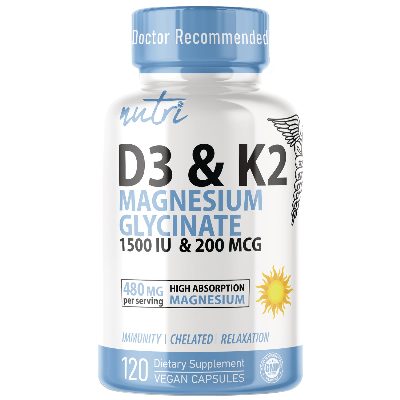
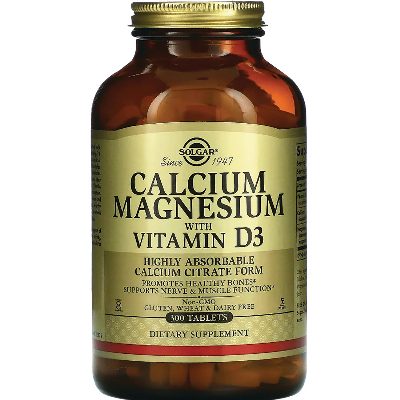
For example, Nutri D3 & K2 Magnesium Glycinate lists a serving size of four capsules and provides vitamin D3, vitamin K2, and magnesium glycinate. Its label states that adults may take up to four capsules daily and advises consultation with a physician during pregnancy or nursing. Calcium Magnesium with Vitamin D3 lists five tablets per serving, with calcium citrate, magnesium, and vitamin D3, and its suggested use is for adults, preferably with a meal. These examples show why serving size and daily routine should be checked before comparing products by ingredient names alone.
Match the Formula to the Reader’s Practical Needs
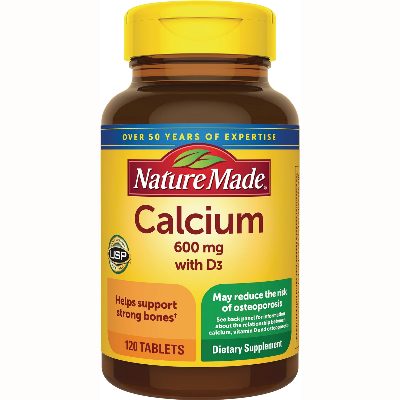
Different formulas may suit different label-reading priorities, but none should be treated as automatically necessary. Calcium with Vitamin D3 provides calcium carbonate and vitamin D3 in one tablet, with an adult suggested use of one tablet one to two times daily with water and a meal. Its label also says that people taking medications should consult a physician before use. For readers who are comparing a simpler calcium-and-vitamin-D format, the number of tablets, meal timing, and medication considerations are central questions.
Target-Mins Calcium, Magnesium, Zinc with VitaminD combines calcium, phosphorus, magnesium, zinc, and vitamin D, and its label describes a mineral blend with several listed forms. It is presented as suitable for adults, with three tablets daily with food. Calcium Citrate Magnesium Vitamin D3 lists calcium citrate, magnesium aspartate, and vitamin D3, with four caplets daily or as directed by a healthcare practitioner; its label states that it is free from milk, egg, fish, crustacean, and several other common allergens. These details may matter to people with dietary restrictions, but personal suitability still depends on diet, health history, and other products being taken.
Common Myths About Osteoporosis Prevention
One common myth is that taking a large amount of calcium automatically protects bones. In practice, more is not always better: excess intake can create concerns, and calcium supplements may interact with medicines. Another misconception is that vitamin D alone replaces exercise or a varied diet. Bone health is multidimensional, and a capsule cannot substitute for resistance training, safe walking, adequate protein, fall-risk awareness, and appropriate clinical assessment.
It is also easy to assume that a supplement is harmless because it is sold without a prescription. People should tell doctors and pharmacists about calcium, vitamin D, magnesium, and combination products, particularly when taking thyroid medicines, certain antibiotics, diuretics, steroids, or other long-term treatments. Supplement timing may matter for some medicines, and the correct plan may involve changing the product, spacing doses, or avoiding unnecessary duplication. Product labels should be checked each time because formulas and directions can change.
When Screening and Professional Advice Matter
Lifestyle habits are valuable, but they do not replace evaluation when risk is elevated. In the United States, the U.S. Preventive Services Task Force recommends osteoporosis screening for women aged 65 and older and for postmenopausal women younger than 65 who have increased fracture risk. Screening commonly uses a central DXA bone-density test, with risk assessment when appropriate. People with a previous low-trauma fracture, long-term glucocorticoid use, an endocrine condition, kidney disease, or other factors affecting bone metabolism may need individualized guidance outside a general prevention checklist.
A clinician or pharmacist can review dietary intake, supplement duplication, medication interactions, kidney history, and whether testing is appropriate. Urgent medical assessment is appropriate after a fall with significant pain, suspected fracture, sudden severe back pain, or unexplained loss of height. The most useful plan is personalized: food first where possible, movement that fits the body, supplements only for a clear nutritional reason, and regular review when health circumstances change.
A Practical Daily Plan
A manageable routine might begin with a breakfast containing a calcium-fortified food or dairy option, a lunch with vegetables and a protein source, and a dinner built around fish, tofu, beans, or another nutrient-dense choice. Walking, stair use, or dancing can add weight-bearing movement, while brief resistance exercises and balance practice can be scheduled on separate or overlapping days according to ability. A weekly check of meals, activity, medication changes, and supplement labels can reveal whether the routine remains realistic.
When selecting among the listed products, readers should first identify the nutrient gap and then compare serving burden, formula complexity, dietary restrictions, warnings, and suggested use. Nutri D3 & K2 Magnesium Glycinate is the most detailed example for readers considering a vitamin D3, vitamin K2, and magnesium combination, while the calcium-containing products represent simpler or broader mineral approaches. None should be chosen solely because it contains more ingredients. Bone health decisions are best treated as an ongoing conversation with a healthcare professional, especially for people with medical conditions or regular medication use. This article is for general information only and does not replace medical advice.
The information in this article is for reference only and does not constitute professional advice. For specific decisions, please consult a relevant professional based on your personal situation.