
Bone health is not a project reserved for retirement. The habits formed during young adulthood, midlife, and later years all shape how people care for their skeleton, movement, and daily independence. Calcium and vitamin D are often discussed together because vitamin D helps the body absorb calcium, but a sensible plan also includes protein-rich foods, regular activity, balanced meals, and attention to individual health needs. Official guidance emphasizes obtaining nutrients from food when possible and using supplements when dietary intake is insufficient or a healthcare professional recommends them.
Why Bone Care Should Begin Early
Bones are living tissue that continually undergoes remodeling rather than remaining unchanged throughout life. A person who spends long hours seated, rarely performs resistance or weight-bearing activity, or follows a restrictive diet may have fewer opportunities to support everyday skeletal needs. This does not mean that one supplement can replace a complete lifestyle plan. Instead, bone care works best as a long-term routine that combines movement, nutritious meals, adequate sleep, and sensible medical follow-up.
For many adults, the first step is to review eating patterns instead of immediately buying a product. Dairy foods, fortified beverages, tofu made with calcium, canned fish with edible bones, beans, and selected leafy greens can contribute calcium, while vitamin D may come from fortified foods, sunlight exposure, and supplements. Needs vary with age, sex, pregnancy status, medication use, and medical history, so personal circumstances matter more than a generic “best” formula.
Choosing a Supplement: Read the Label First
A useful label review begins with the serving size, nutrient form, amount per serving, suggested use, allergens, and warnings. A product that appears simple may require several tablets or capsules per serving, while another may combine calcium with vitamin D or additional minerals. Comparing the total daily intake from food and supplements helps prevent accidental duplication, especially when a multivitamin is already part of the routine.
Calcium carbonate and calcium citrate are common forms, but the most suitable choice depends on the product directions, meal pattern, tolerance, and professional advice. Vitamin D labels may list micrograms, international units, or both. The National Institutes of Health lists 600 IU daily for adults ages 19–70 and 800 IU for adults 71 and older as recommended amounts, although an individual plan may differ. Labels should be treated as a starting point for comparison, not as a substitute for clinical guidance.
Common Myths About Calcium and Vitamin D
One common misconception is that taking more calcium automatically creates stronger bones. Nutrients have useful roles, but excessive intake may be inappropriate and can complicate a person’s overall health plan. Another misconception is that vitamin D makes a calcium supplement unnecessary; in reality, the two nutrients have different roles, and dietary patterns should be considered together rather than reduced to a single ingredient.
A further myth is that supplements can replace exercise. Bone Health and Osteoporosis Foundation guidance highlights weight-bearing and muscle-strengthening activity as important parts of maintaining bone density, alongside calcium, vitamin D, a balanced diet, smoking avoidance, and moderated alcohol intake. Walking, stair climbing, resistance training, dancing, and supervised strength exercises may fit different lifestyles, but people with pain, balance concerns, or known bone conditions should ask a qualified professional how to exercise safely.
Using Product Examples to Compare Formulas
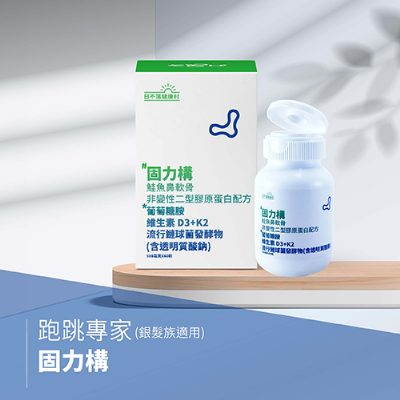
For older adults who want a product centered on joint-oriented daily care, 固力構-固力專家 (銀髮族適用) (銀髮族適用) is described as designed for seniors and contains salmon nasal cartilage, undenatured type II collagen, hyaluronic acid, and glucosamine. Its stated content is 500 milligrams multiplied by 60 capsules, with suggested daily use of one to three capsules. These details make it relevant for readers comparing a senior-focused formula, but users should follow the package directions and consider their medication and health history.
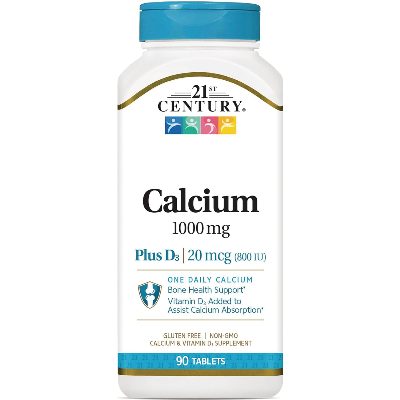
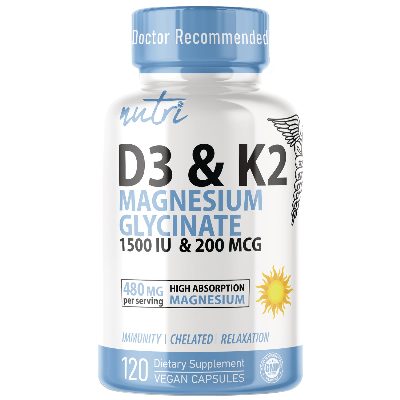
For a more direct calcium-and-vitamin-D format, Calcium Plus D3 lists one tablet per serving, with 1,000 milligrams of calcium as calcium carbonate and 20 micrograms, or 800 IU, of vitamin D3. Calcium with Vitamin D3 lists one softgel serving with 600 milligrams of calcium and 10 micrograms, or 400 IU, of vitamin D3, and its label states that it contains soy. Target-Mins Calcium, Magnesium, Zinc with VitaminD combines calcium, magnesium, zinc, vitamin D, and phosphorus in a three-tablet serving, while Nutri D3 & K2 Magnesium Glycinate lists vitamin D3, vitamin K2, and magnesium and is intended for adults. These products should be compared by nutrients, serving size, dietary restrictions, and warnings rather than by ingredient count alone.
Match the Choice to the Situation
A younger adult with a varied diet may first focus on meals and activity, using a supplement only when intake is consistently low or a professional identifies a need. Someone who avoids dairy may pay closer attention to fortified foods and the calcium amount per serving. An older adult may need a broader conversation covering fall risk, mobility, medication interactions, and whether bone-density testing is appropriate; a supplement alone does not answer those questions.
For readers seeking a simple calcium-and-D label, Calcium Plus D3 or Calcium with Vitamin D3 may be easier to compare because their primary nutrients are clearly identified. A person seeking several minerals may examine Target-Mins Calcium, Magnesium, Zinc with VitaminD, while someone reviewing a D3, K2, and magnesium combination may consider Nutri D3 & K2 Magnesium Glycinate. 固力構-固力專家 (銀髮族適用) (銀髮族適用) is positioned for senior daily care with a joint-focused ingredient profile. The right choice depends on dietary gaps, serving preferences, allergens, life stage, and professional advice—not simply on the longest ingredient list.
Safety Checks Before Starting
Dietary supplements can interact with medicines, alter absorption, interfere with laboratory tests, or create problems when several products are combined. The FDA advises discussing supplement use with a doctor, pharmacist, or other healthcare professional, especially when a person takes prescription medicines, has a medical condition, is pregnant or nursing, or is preparing for surgery. This is particularly relevant when formulas contain multiple minerals or fat-soluble vitamins.
Before adding a product, list all vitamins, supplements, and medicines currently used, then compare overlapping ingredients and serving amounts. Do not treat a higher percentage of Daily Value as proof that a product is more suitable. Follow the package directions, avoid exceeding the suggested amount, and ask for individualized guidance when kidney concerns, digestive issues, medication use, pregnancy, nursing, or an existing bone disorder is involved. Health information in this guide is for general reference and does not replace professional medical advice.
A Sustainable Bone-Care Routine
A practical plan is easier to maintain when it is built around ordinary routines. Meals can include a consistent calcium source, activity can be scheduled around walking or strength work, and supplement use—when appropriate—can be attached to a regular meal. Keeping the container label available for a pharmacist or clinician also makes it easier to check duplicated nutrients and possible interactions.
Bone care begins well before old age because everyday choices accumulate across decades. The most useful product is not necessarily the most complex one; it is the option that fits the person’s diet, life stage, health status, and ability to follow directions. With food, movement, label literacy, and professional input working together, adults can make more deliberate decisions without turning supplements into a substitute for comprehensive care.
The information in this article is for reference only and does not constitute professional advice. For specific decisions, please consult a relevant professional based on your personal situation.