
School-age children often juggle homework, after-school activities, and social life, yet their bodies are still in a key phase of growth. Parents may notice sudden changes in appetite, energy, or height and start wondering if regular meals are enough to support healthy development. Rather than rushing into every new supplement trend, it is helpful to understand the basics of growth nutrition, typical challenges in daily routines, and how to make thoughtful decisions about food and products. This article focuses on practical, everyday choices for families, highlights common nutrients linked to growth, and reminds readers that health information is for general guidance and does not replace advice from pediatricians or dietitians.
Understanding growth needs in school-age children
Between roughly 6 and 12 years old, children experience gradual but steady growth in height, bone density, and muscle mass. During these years, they also build habits and taste preferences that may last into adulthood, so daily eating patterns matter as much as individual nutrients. Many children start spending more time in school and less time at home, which means parents have less direct control over every meal. Peer influence, school canteens, and convenience foods can shape food choices, sometimes leading to skipped breakfasts or frequent sugary snacks. Recognizing this environment helps adults set realistic expectations: the goal is not perfection in every meal, but a pattern where most days include a balance of carbohydrates, protein, fats, and micronutrients. Parents who are concerned about growth charts or sudden changes should discuss them with a healthcare professional who can evaluate overall development.
Building a balanced daily diet for growing bodies
A balanced diet for a school-age child usually starts with a varied breakfast, lunch, and dinner, complemented by one or two small snacks. Breakfast can include whole grains, a source of protein such as eggs, dairy or soy, and fruit to provide fiber and vitamins. Lunch and dinner ideally mix colorful vegetables, staple carbohydrates like rice, pasta or bread, and protein from meat, fish, beans, or tofu. This variety helps cover many nutrients without needing specialized products. Families may adapt menus to local ingredients and cultural preferences, such as including soups, stews, or traditional dishes, as long as they avoid relying heavily on ultra-processed foods and sugary drinks. When time is tight, planning ahead with simple options, like pre-cut vegetables, yogurt, or nuts for snacks, can make it easier for children to reach for nutrient-rich foods during busy school days.
Key nutrients linked to growth: protein, calcium, vitamins and minerals
Several nutrient groups are often mentioned in connection with growth, and understanding their roles can guide food choices. Protein contributes to building and repairing tissues, so sources like lean meat, fish, eggs, dairy, legumes, and soy products are valuable in daily meals. Calcium is part of bone structure, and its intake commonly comes from milk, yogurt, cheese, fortified plant-based drinks, and some leafy greens. Vitamins and minerals, including vitamin D, iron, zinc, and vitamin A, support functions such as bone metabolism, oxygen transport, and immune response. Instead of focusing on isolated pills, parents can look at how frequently these foods appear in weekly menus. If a child avoids whole food groups, such as dairy or meat, a healthcare professional can help assess whether a supplement is appropriate or if alternative food sources can cover their needs.
When and how nutrition supplements may be considered
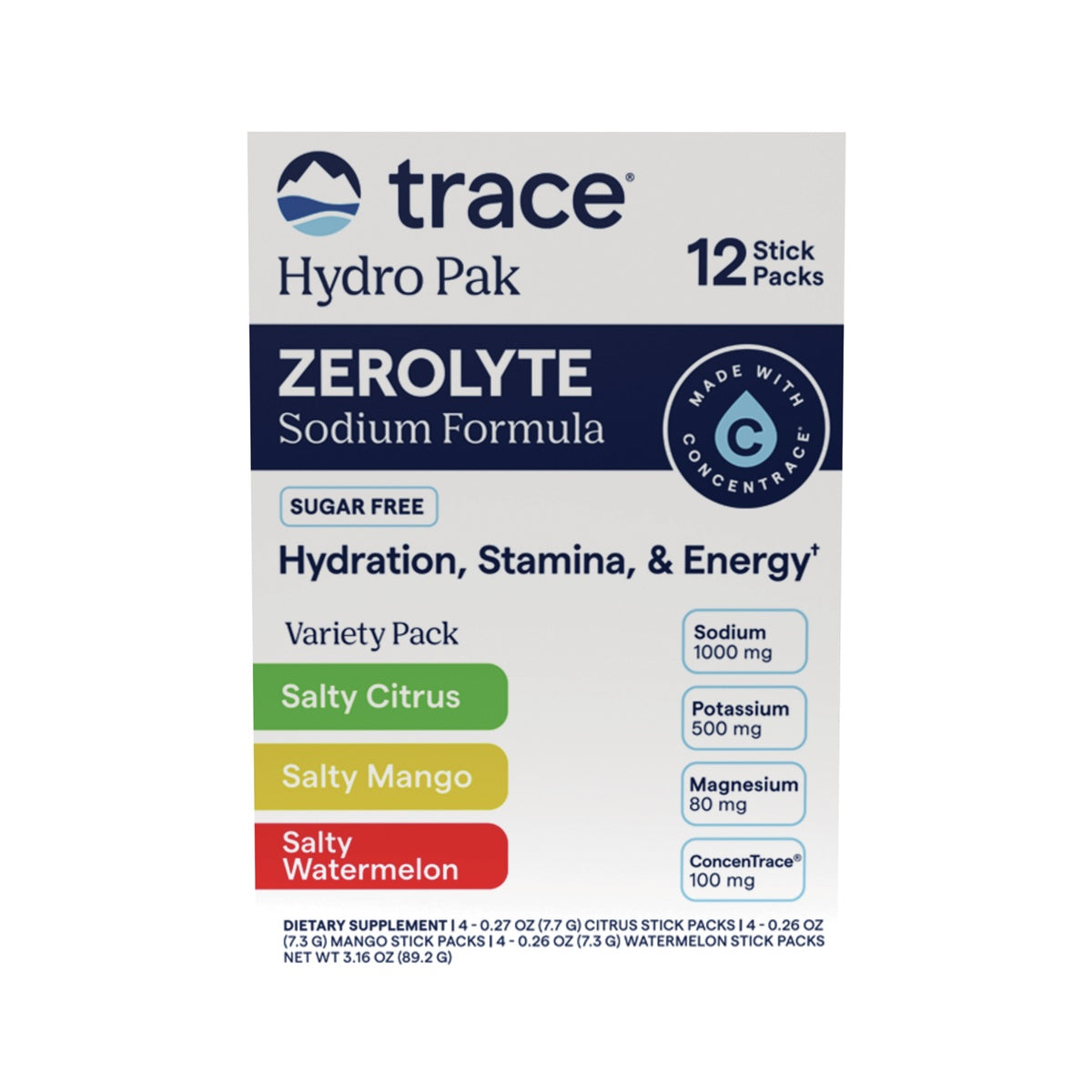
Nutrition supplements for school-age children range from multivitamin syrups to chewable tablets, powders, and fortified beverages. They are often marketed for height, immunity, or concentration, which can be appealing to families who worry about academic performance and growth. However, supplements are not a replacement for balanced meals and may not be necessary for every child. Situations where parents might discuss supplements with a pediatrician or dietitian include highly selective eating, medically confirmed deficiencies, or specific dietary patterns like vegetarian or vegan diets. Professionals can help determine the right type, dose, and duration, and check for interactions with existing conditions or medications. Responsible use means reading labels carefully, avoiding overlapping products that contain similar nutrients, and understanding that evidence for claims varies. Health information in general guides only, and decisions about supplements should be made with qualified advice.
Practical strategies for busy families and picky eaters
Everyday routines can make nutrition planning challenging, especially when parents work long hours and children have homework, sports, or music classes. One helpful strategy is to involve children in planning simple menus or helping with age-appropriate kitchen tasks, which can increase their interest in new foods. Another is to prepare components in advance, such as boiled eggs, cut fruit, or pasta salads, so that nutrient-rich options are available even on rushed weekdays. For children who are hesitant about certain textures or flavors, repeated gentle exposure, combining familiar and new ingredients, and avoiding pressure at the table can gradually expand their acceptance. Structured meal and snack times allow children to recognize hunger and fullness signals, and reduce constant grazing on low-nutrient foods. If parents worry that picky eating affects growth, tracking weight and height over time with professional guidance is more informative than focusing on isolated meals.
Safety, professional guidance, and information as reference
Because growth and nutrition relate to long-term health, any major change in a child's diet or supplement use deserves careful consideration. Labels may include bold promises, but they do not always reflect robust scientific evidence, and families should treat them as marketing rather than medical advice. When in doubt, discussing concerns with pediatricians, registered dietitians, or other qualified professionals can clarify whether a child's growth pattern is within expected ranges and what adjustments, if any, might be helpful. Health articles and online resources provide general education, but they cannot account for individual medical history, allergies, or cultural practices. Readers are encouraged to treat the information here as a starting point for conversations and to seek personal recommendations from professionals when making decisions about nutrition or supplements for school-age children.