
Heart health is shaped by ordinary choices repeated over time, not by a single capsule or an isolated ingredient. A practical approach begins with food quality, movement, sleep, nicotine exposure, weight, cholesterol, blood sugar, and blood pressure. The American Heart Association groups these areas into Life’s Essential 8, offering a useful framework for reviewing daily routines rather than chasing quick fixes. Supplements can fit into that conversation, but they should be selected according to ingredients, serving instructions, dietary preferences, and personal health circumstances. They are not substitutes for prescribed care, balanced meals, or professional assessment.
Start with lifestyle before shopping
A supplement decision makes more sense when the everyday foundation is clear. Meals built around vegetables, fruit, whole grains, beans, nuts, seeds, lean proteins, and unsaturated cooking oils can be easier to sustain than a restrictive plan. Regular walking, cycling, swimming, or other enjoyable activity can also make movement part of a normal schedule; the American Heart Association commonly points adults toward 150 minutes of moderate activity or 75 minutes of vigorous activity each week. Sleep, tobacco exposure, stress, and long periods of sitting deserve attention as well.
A realistic plan might involve a brisk walk after dinner, replacing some highly processed snacks with fruit and unsalted nuts, and recording home blood pressure readings when a healthcare professional recommends monitoring. These steps create context for any supplement choice. If blood pressure, cholesterol, blood sugar, chest discomfort, breathlessness, or unusual fatigue is a concern, the priority is medical evaluation rather than self-directed supplementation.
How to evaluate a heart-health supplement
The first checkpoint is the Supplement Facts panel. Look at serving size, active ingredients, amounts per serving, other ingredients, allergens, capsule material, suggested use, and warnings. A product that combines several ingredients may be convenient, but it can also make it harder to identify which component fits a person’s needs or conflicts with an existing medicine. Vegan capsules, gelatin softgels, soy, fish-derived ingredients, and other formulation details matter for dietary and allergy preferences.
The second checkpoint is the role of the product. Omega-3 formulas are generally considered by shoppers seeking EPA and DHA, while botanical blends may appeal to people comparing grape seed, hawthorn, resveratrol, or other plant ingredients. These descriptions should not be turned into promises to treat disease. Dietary supplements can interact with medicines, affect laboratory tests, or create concerns around procedures, so a pharmacist or clinician should review the label when someone uses prescription drugs, is pregnant or nursing, has a diagnosed condition, or is preparing for surgery.
Red Omega: a multi-ingredient option
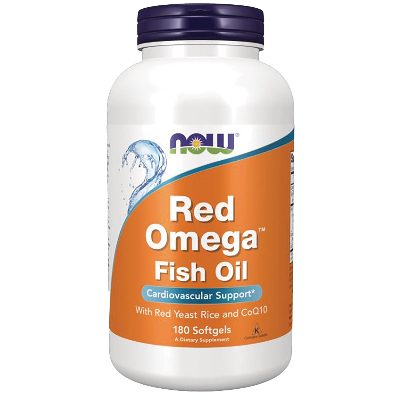
Red Omega combines fish oil concentrate, organic red yeast rice, CoQ10, and omega-3 fatty acids in a softgel format. Its stated serving size is two softgels, providing 2,000 mg of fish oil concentrate, including 360 mg of EPA and 240 mg of DHA, alongside 600 mg of organic red yeast rice and 60 mg of CoQ10. The label also lists bovine gelatin, glycerin, water, carob, beeswax, d-alpha tocopherol, and soy among the other ingredients, so it is not a vegan formula and may not suit people avoiding those components.
This format may be worth comparing when a shopper wants several cardiovascular-related ingredients in one product and is comfortable reviewing a longer label. The key selection questions are whether the serving size is practical, whether fish and soy fit the person’s diet, and whether red yeast rice is appropriate alongside current care. Red yeast rice products can contain monacolin K, which may carry statin-like safety concerns, including possible muscle, liver, or kidney problems, and contamination is also a recognized concern. Professional guidance is especially important before choosing this category.
Pure Heart: a vegan capsule formula
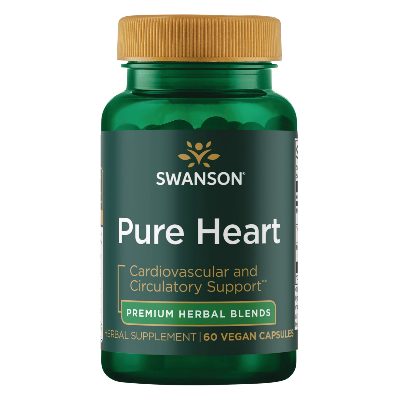
Pure Heart uses two vegan capsules per serving and contains MegaNatural™-BP™ grape seed extract at 300 mg, trans-resveratrol at 150 mg, and policosanol from BioCosanol® at 20 mg. Its other ingredients include brown rice flour, hypromellose, silica, and magnesium stearate. The suggested use states two vegan capsules daily with water, while the warning specifies that it is for adults and should not be taken during pregnancy or nursing. Anyone taking medication should discuss the formula with a healthcare provider before starting it.
This product may fit adults who prioritize vegan capsules and prefer a botanical combination rather than fish oil or red yeast rice. It is still important to compare the complete label with personal dietary restrictions and current supplements, because overlapping ingredients can make a routine unnecessarily complicated. A sensible approach is to introduce only one new product at a time, keep the package available for review, and stop to seek advice if unexpected symptoms occur rather than assuming a supplement is responsible for a desired health outcome.
Other formulas and common comparison mistakes
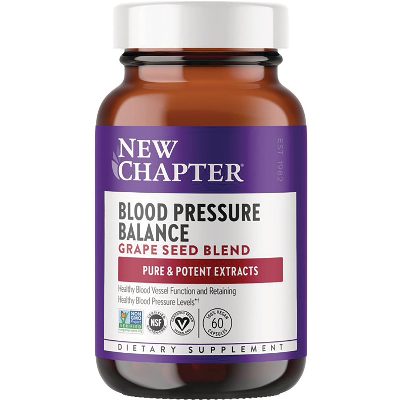
Blood Pressure Balance Grape Seed Blend is a one-capsule formula containing grape seed extract, organic maitake, holy basil, and black currant extract. Its label says to take one capsule daily with food, does not recommend use in children, and advises informing a healthcare professional about supplement use. Blood Pressure Health contains grape seed extract and hawthorn extract in a vegetable capsule, with suggested use and warnings requiring careful label review. These products are best compared by ingredient profile, serving routine, dietary fit, and professional guidance—not by a product name that sounds like a medical promise.
Omega-3 is a simpler softgel option. The provided product information states that one softgel contains 180 mg of EPA and 120 mg of DHA and is gluten-free. It may appeal to shoppers who want an ingredient-focused format rather than a broad blend, but the label should still be checked for serving instructions and fish-related dietary considerations. A common mistake is assuming that a familiar ingredient automatically fits every person; medicines, bleeding risk, allergies, pregnancy, and planned procedures can change what is appropriate.
Choose by situation, not by hype
For someone seeking a vegan capsule, Pure Heart offers a formulation that matches that preference, provided the adult-use warning and personal medical context are suitable. For someone comparing a multi-ingredient softgel, Red Omega presents fish oil, EPA, DHA, red yeast rice, and CoQ10 in one serving, but its gelatin, soy, fish, and red yeast rice considerations deserve careful review. Someone seeking a simpler EPA-and-DHA format may compare Omega-3, while shoppers focused on botanical blends can examine the two grape-seed-based products by their additional ingredients and serving instructions.
The final decision should also include the basics: a readable Supplement Facts panel, a realistic daily routine, storage instructions, allergy information, and a conversation with a qualified professional when medicines or health conditions are involved. Supplements should complement—not replace—meals, activity, sleep, tobacco avoidance, and recommended monitoring. For persistent symptoms or concerning readings, professional care is the appropriate next step. This guide is for general information only and does not diagnose, treat, or prevent disease.
FAQs
Can a supplement replace a heart-healthy lifestyle?
No. Food choices, physical activity, sleep, nicotine exposure, weight, cholesterol, blood sugar, and blood pressure remain central parts of cardiovascular health. A supplement should be considered only as one part of a broader routine and should not replace prescribed treatment or clinical monitoring.
What should be checked before using Red Omega?
Review the serving size, fish oil, EPA, DHA, red yeast rice, CoQ10, gelatin, soy, and other listed ingredients. Because red yeast rice may raise statin-like safety concerns and supplements can interact with medicines, adults should consult a qualified healthcare professional before use, especially when taking prescription drugs or managing a medical condition.
Is Pure Heart suitable for people who avoid animal-derived capsules?
Pure Heart uses vegan capsules, so its capsule material may fit a vegan preference. It is intended for adults, should not be used during pregnancy or nursing according to the label, and should be reviewed with a healthcare provider when medicines or health conditions are involved.
How should the simpler Omega-3 option be compared with blends?
Compare the EPA and DHA amounts, serving instructions, other ingredients, dietary fit, and any relevant warnings. A simpler formula may be easier to understand, while a blend may contain more ingredients in one product; neither format is automatically appropriate for every person.
The information in this article is for reference only and does not constitute professional advice. For specific decisions, please consult a relevant professional based on your personal situation.