
Many people come across high-absorption curcumin when searching for turmeric supplements and wonder whether the premium price is justified. Curcumin, the main active compound in turmeric, is known to be poorly absorbed when taken in its plain form, so brands highlight advanced delivery systems and eye-catching absorption numbers. At the same time, not everyone needs the same strength or type of supplement, and more concentrated formulas are not automatically better for every situation. This article looks at how absorption technologies work, what current research suggests about curcumin intake, and which users may or may not find a high-absorption product worthwhile.
What makes curcumin hard to absorb?
Curcumin is a fat-soluble compound with low water solubility and it is rapidly metabolized and cleared from the body. That means only a small fraction of a standard turmeric powder capsule may enter the bloodstream in an unchanged form that the body can use. In traditional cuisines, turmeric is typically cooked with oils and eaten with food, which naturally supports uptake, but modern capsule products often contain isolated extracts that still face the same biological barriers. Because of this, many users who rely only on culinary turmeric might need very large amounts to reach the doses used in clinical research. This gap between kitchen usage and study protocols set the stage for high-absorption curcumin technologies.
Common high-absorption technologies on the market
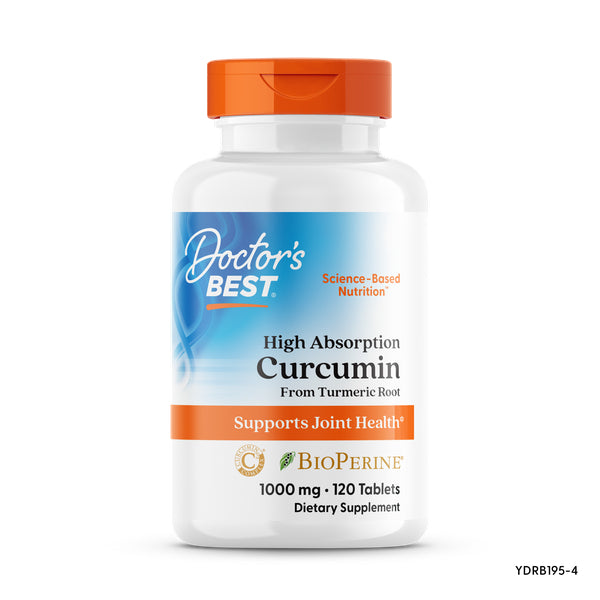
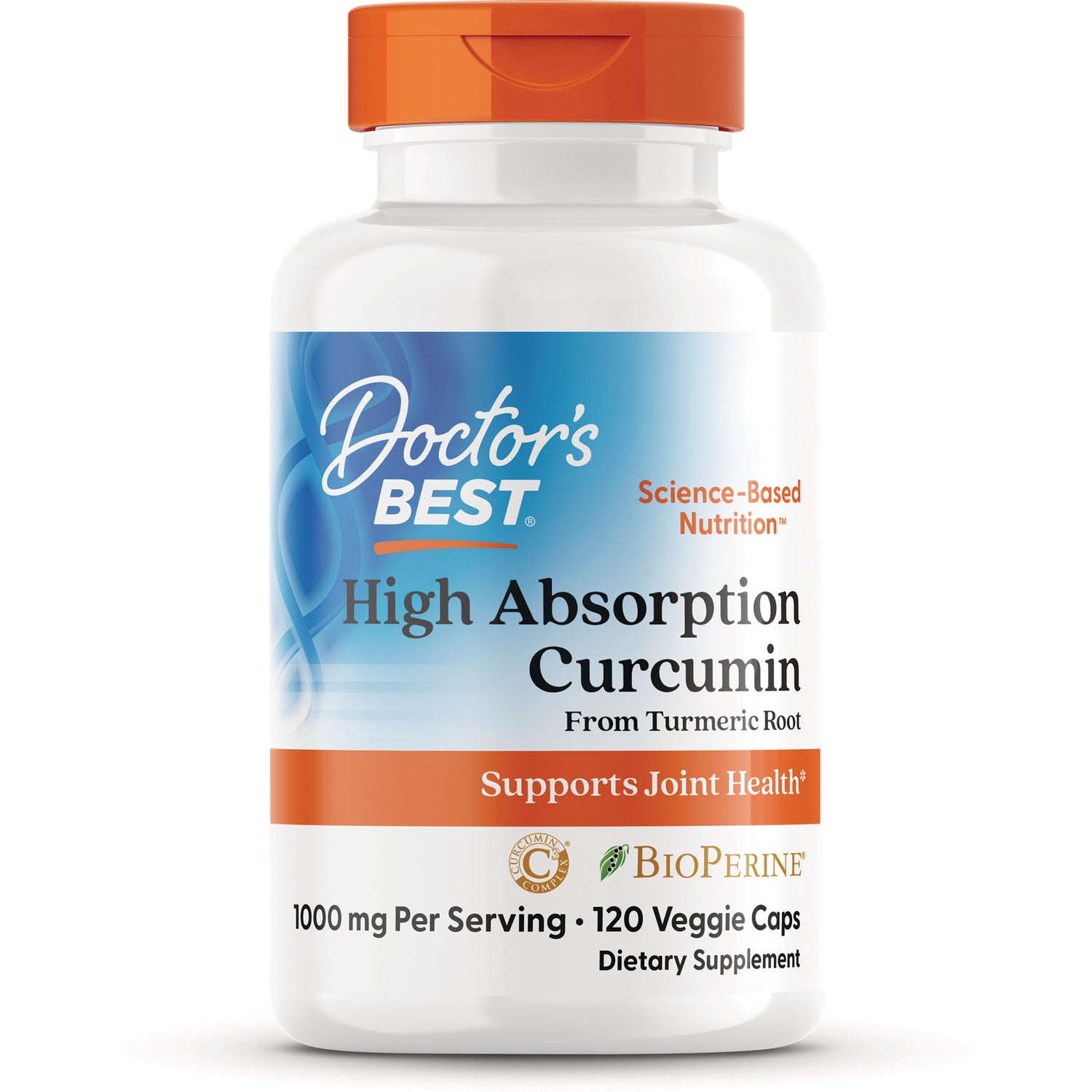
High-absorption curcumin usually refers to formulas that combine curcumin with other ingredients or special delivery systems to raise its bioavailability. One frequent strategy is adding black pepper extract containing piperine, which has been shown in studies to significantly increase curcumin levels in the blood, although the exact fold-change depends on dose and protocol. Other products use phospholipid complexes, micelles, nanoparticles or patented “micro-activated” and sustained‑release systems designed to keep curcumin circulating for longer. Marketing messages may quote very high percentage or fold increases versus plain powder, but these numbers often come from small trials using specific test conditions. Readers should understand that different technologies are not directly comparable and that a higher laboratory absorption index does not automatically guarantee a better experience for every individual.
Are high-absorption products more cost‑effective?
When judging whether high-absorption curcumin is worth buying, the price per capsule is only one part of the equation. If a formula delivers more curcumin into the bloodstream at a given dose, a person may reach research-like intake ranges with fewer capsules per day. For example, some systematic reviews published in recent years suggest that many clinical trials use a daily curcumin intake around several hundred milligrams, and high-absorption products aim to match that with lower nominal doses. On the other hand, cost per day can still be high, especially for patented complexes with their own supporting studies. For someone who only wants a gentle, food-level intake, a reasonably priced standard turmeric extract taken with meals containing fat might already be adequate. Therefore, cost-effectiveness depends heavily on individual goals, budget and how consistently the supplement will be used.
Who might consider high-absorption curcumin?
High-absorption curcumin may be more appealing to people who are deliberately trying to reach study-level intakes while limiting capsule count. This includes users who follow research on antioxidant nutrients, those interested in overall wellness routines, and individuals with busy lifestyles who prefer once- or twice-daily dosing. Some formulas also combine curcumin with other plant extracts or nutrients, creating a broader spectrum supplement that some users find convenient. However, scientific findings are still evolving, and terms like “high-absorption” or percentage claims should not be interpreted as guarantees for specific health outcomes. For many generally healthy adults, curcumin from food, teas and standard extracts taken with meals may already align with their expectations, especially when combined with other aspects of a balanced lifestyle.
Safety and side effects: what to know before buying
Available research and regulatory reviews generally consider turmeric and curcumin safe for most healthy adults when used in typical supplemental amounts. Short‑term studies with relatively high daily intakes over several weeks to a few months have reported mainly mild digestive complaints such as nausea, loose stools, stomach discomfort or yellowish stool in some participants. Certain groups, including people with gallbladder issues, bleeding tendencies, active ulcers, specific hormone‑sensitive conditions or those taking anticoagulant or antiplatelet drugs, are often advised to be cautious with concentrated curcumin products. Because high-absorption formulas can deliver more active compound into the body, starting with a lower dose and monitoring tolerance can be sensible. Information in this article is for general reference only and does not replace professional medical advice; readers with existing conditions or regular medications should discuss curcumin supplements with a physician or qualified healthcare provider.
How to read high-absorption curcumin labels
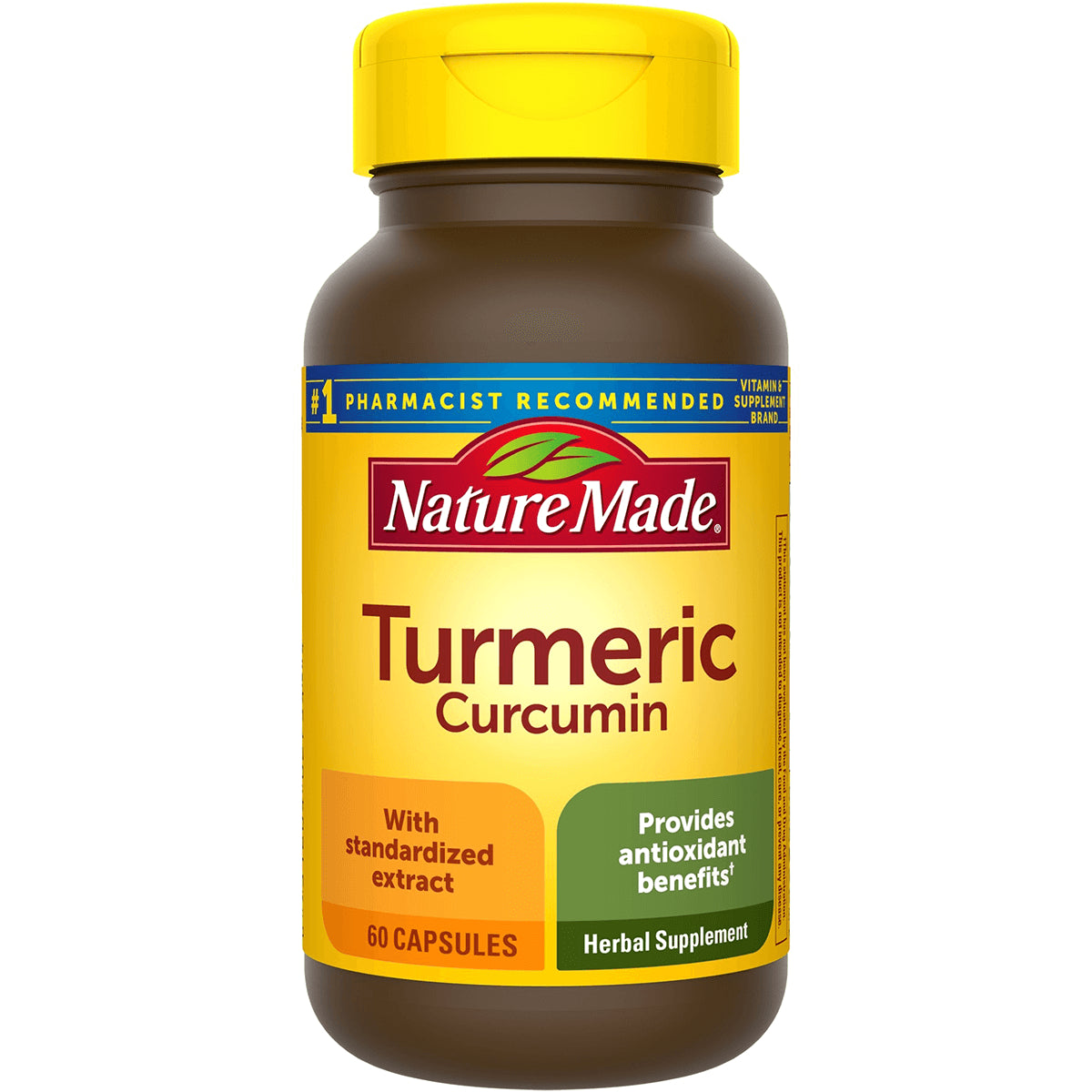
Product labels for high-absorption curcumin can be confusing, as brands may highlight extract ratios, total turmeric weight and curcuminoid content together. A helpful approach is to look for the actual curcuminoids per serving in milligrams, check whether the formula discloses standardized percentages, and note any added ingredients such as piperine, oils or phospholipids. Some patented complexes publish their own clinical data, which brands may summarize on packaging or in product leaflets; interested readers can search for these names alongside terms like “clinical trial” or “bioavailability” to understand the evidence base. It is also worth checking recommended daily servings and calculating the monthly cost at the suggested intake. Transparent labeling, clear contact information and realistic claims are often good signs when comparing options.
Practical tips: deciding if it is worth it for you
Whether high-absorption curcumin is a good purchase depends on personal priorities rather than a single universal rule. People who value convenience, follow research closely and are comfortable paying more for patented formulas may feel that the potential for higher bioavailability fits their routine. Others who mainly want to include turmeric as part of a general wellness pattern may opt for simpler extracts, add turmeric to cooking with healthy fats and focus on sleep, movement and diet as their main pillars. In practice, it can be reasonable to start with a moderate, well-labeled product, observe how the body responds over several weeks and adjust only after discussing questions with a healthcare professional. No supplement replaces medical treatment, and decisions about curcumin use, dose and formulation are best made in partnership with a trusted clinician, especially for those with chronic conditions or ongoing therapies.