Many people hear that cranberry is good for intimate wellness and immediately start looking for capsules, powders, or drinks, only to feel lost in front of a crowded shelf. Between different doses, blends and health claims, it can be hard to tell which product is worth the money and matches personal needs. This guide walks through the key ideas behind cranberry supplements, from active ingredients and evidence-based dosages to clean labels and third-party reports. The goal is not to name a single “best” product, but to give readers a checklist they can reuse, so every purchase feels more informed and less like a gamble. All information is for general education only and does not replace medical advice; people with existing conditions should consult health professionals.
1. Know what you are really buying: whole fruit, extract, or sugary drink
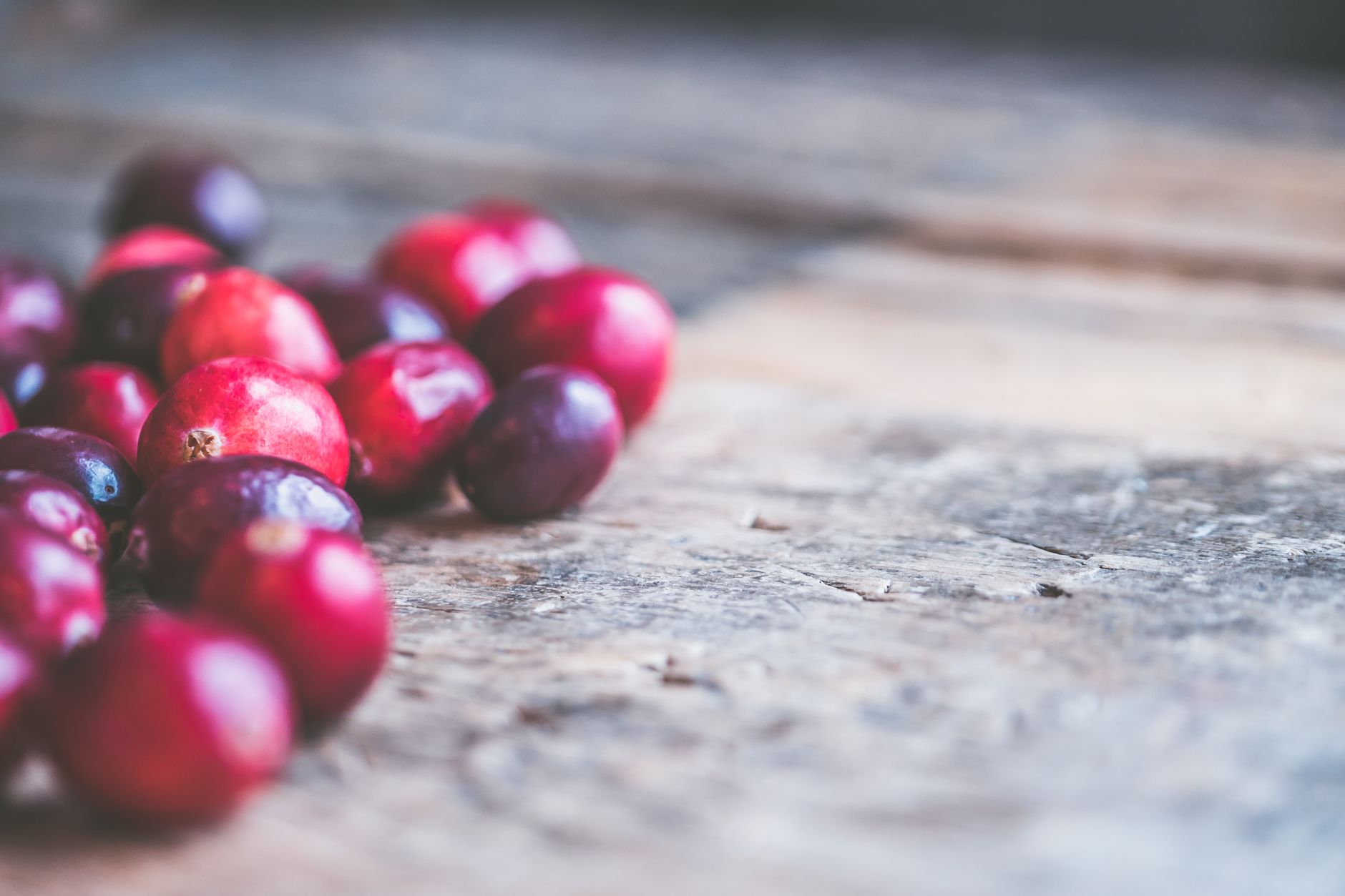
The word cranberry on a package does not always mean the same thing. Some products use dried fruit, some rely on concentrated juice, and others contain standardized extracts where active compounds are clearly measured. Dried cranberry snacks or sweetened juices can be enjoyable but often come with added sugar and relatively modest levels of the specific polyphenols that are usually discussed in research. In contrast, supplements in capsule or tablet form often use cranberry extract that states a precise amount of proanthocyanidins, giving more predictable intake per serving. When comparing options, it is useful to distinguish between lifestyle foods chosen mainly for taste and convenience, and nutraceutical-style products where the formula and dose are designed with research in mind.
2. Focus on PACs: the key active compound and realistic daily amounts
The most discussed active plant compounds in cranberry are proanthocyanidins, often shortened to PACs. Several nutrition and pharmacy sources highlight that a daily intake around 36 mg of PACs is commonly referenced in research exploring intimate health outcomes. This does not mean that 36 mg is a magic threshold or a guarantee, but it offers a useful benchmark when scanning labels. If a product only lists “cranberry powder 1000 mg” without clarifying PACs content, it is difficult to know how much of the relevant compound is actually provided. A more transparent label will state something like “provides 36 mg PACs per day” or indicate a standardized percentage, allowing consumers to compare formulations more rationally.
3. Single-ingredient vs blends: probiotics, D-mannose and vitamin C
Cranberry supplements today rarely come as simple cranberry-only capsules; many brands create blends combining different ingredients. Common partners include probiotics designed for female wellness, D-mannose, prebiotic fibers, or vitamin C. The idea behind these blends is to offer broader nutritional support in one serving, for example pairing cranberry PACs with specific Lactobacillus strains that naturally live in the vaginal or urinary tract area. D-mannose, a simple sugar, is another frequent addition, chosen for its role as a carbohydrate that interacts with certain bacteria in the urinary system. When assessing a blend, readers can check whether each added ingredient is clearly identified, with strain codes for probiotics and reasonable daily amounts rather than just marketing names in tiny doses.
4. Read the label like a pro: standardization, serving size and additives
Learning to read a supplement label turns confusion into clarity. Beyond the front-of-pack slogans, the back panel should show the exact serving size, how many capsules make up one daily portion, and how much standardized cranberry extract is provided. Looking for phrases such as “standardized to X% PACs” can signal that the manufacturer controls active compound content from batch to batch. It is also worth checking excipients: sweeteners, colors, flavorings, or unnecessary bulking agents may matter to people who prefer minimalist formulas. Many nutrition professionals recommend picking products that disclose daily suggested intake and do not hide behind proprietary blends that list a long row of ingredients without specifying the amount of each.
5. Consider supplement form: capsules, tablets, powders and drinks
Cranberry is sold as capsules, tablets, powders to mix with water, and ready-to-drink beverages. Each form has pros and cons in terms of convenience, taste and formulation space. Capsules are popular because they often allow for fewer additives and can protect sensitive ingredients, especially when probiotics are combined with cranberry in the same product. Tablets sometimes require more binders and compression aids, while powders and drinks may rely on sugars or sweeteners to improve flavor. For people aiming at long-term daily use, choosing a format that fits lifestyle, is easy to remember, and lists clear active ingredient amounts is more practical than chasing trendy forms that are hard to take consistently.
6. Source transparency, patents and third-party testing
Beyond ingredients, where and how the cranberry was sourced also matters. Some brands specify the origin of their raw material, or mention branded cranberry extracts that have been studied in clinical or laboratory trials. Patented or trademarked ingredients are not inherently superior, but they often come with data sheets and standardized specifications that increase traceability. Third-party laboratory testing is another key point: credible products frequently provide batch-by-batch testing for microbial safety, heavy metals and active compound levels. Consumers can look for products that publish lab reports or at least identify the independent testing organization, adding another layer of reassurance.
7. Safety, timing and working with health professionals
For most generally healthy adults, cranberry supplements are widely available and often used on a daily basis, but individual tolerance and needs differ. People who are pregnant, breastfeeding, on medication such as blood thinners, or living with chronic kidney or metabolic conditions should speak with a doctor or pharmacist before starting any new supplement. Cranberry capsules do not usually require a strict timing schedule; many educators instead emphasize choosing a time of day that is easy to remember, so intake stays regular over the long term. It is also sensible to avoid taking multiple high-dose supplements at the same moment if label notes suggest possible nutrient interactions. All guidance here is educational and not a substitute for personalized medical advice.
8. Building a personal checklist and making realistic expectations
In the end, choosing a cranberry product that feels “worth it” is about matching expectations with what the formula can reasonably offer. A practical checklist might include: clear PACs content around research-based ranges, transparent ingredient list, limited unnecessary additives, appropriate form and serving size, and evidence of third-party testing. Price can then be weighed against these quality indicators instead of eye-catching celebrity endorsements or vague wellness promises. Readers who keep notes of what they have tried, how their body responds over weeks, and which label features they prefer will gradually build their own decision framework. Seen this way, buying cranberry supplements becomes a thoughtful part of broader self-care, rather than a rushed reaction to the latest headline.