
The liver performs many essential jobs, including processing nutrients, handling substances absorbed from the digestive tract, and producing compounds the body needs. Because liver conditions may develop with few noticeable symptoms, liver care is less about occasional “cleanses” and more about consistent habits, appropriate screening, and sensible use of supplements. A practical approach begins with understanding personal risks: alcohol intake, body weight, metabolic health, viral hepatitis exposure, medications, and the quality of products used regularly. This guide explains the basic principles in plain language so readers can make more informed everyday choices. It is general health information, not a diagnosis or a substitute for advice from a qualified clinician.
What liver care really means
Liver care is a long-term pattern rather than a short program. Meals built around vegetables, fruit, beans, whole grains, fish or other protein sources, and unsaturated fats can fit a balanced eating pattern, while portion awareness helps prevent an all-or-nothing approach. Regular movement also matters because physical activity and body-weight management are connected with metabolic health, which can affect the liver. People who sit at a desk all day might begin with walking during breaks, taking stairs when practical, or scheduling several short activity periods instead of relying on one demanding workout. These habits do not replace medical care, but they create a more reliable foundation than products marketed as rapid detox solutions.
Alcohol deserves a separate conversation because risk depends on amount, frequency, drinking pattern, medications, and existing health conditions. A person who drinks heavily on weekends may face a different concern from someone who drinks small amounts frequently, yet both should discuss their pattern honestly with a healthcare professional if liver tests are abnormal or symptoms appear. Nonalcoholic choices, alcohol-free days, and avoiding binge drinking are practical ways to reassess consumption. People with known liver disease, pregnancy, certain medication regimens, or a history of alcohol-related problems may need stricter guidance and should not assume that a “moderate” amount is appropriate for them.
Food, weight, and daily routines
A liver-supportive eating pattern does not require exotic ingredients or a restrictive detox menu. A useful plate might include leafy greens and other vegetables, a serving of beans, eggs, fish, poultry, or tofu, and a portion of brown rice, oats, potatoes, or another minimally processed carbohydrate. Nuts, seeds, and unsaturated oils can be included in suitable portions, while sugary drinks, frequent highly processed snacks, and oversized restaurant meals can be occasional rather than routine choices. For someone who often eats at work, simple changes such as choosing water instead of a sweetened drink, adding a vegetable side, and ordering a regular rather than extra-large portion can be more sustainable than a drastic reset.
Weight should be discussed without blame. Rapid dieting, repeated restriction, and unverified “fat-burning” products may create new problems, while gradual changes are easier to maintain. A person with diabetes, high cholesterol, sleep apnea, or persistent fatigue may benefit from a broader medical assessment instead of focusing only on liver supplements. Physical activity can include brisk walking, cycling, swimming, resistance training, or household movement; the appropriate starting point depends on fitness, age, injuries, and medical history. When symptoms, abnormal blood tests, or a diagnosed liver condition are present, individualized guidance is more appropriate than applying a generic online plan.
Screening and signs that deserve attention
Many liver problems are discovered through blood tests or imaging rather than obvious early symptoms. Screening decisions depend on age, pregnancy, vaccination history, family and medical history, medications, alcohol exposure, and possible contact with hepatitis viruses. In the United States, the CDC recommends hepatitis C screening at least once for all adults aged 18 and older, with periodic testing for people who have ongoing risk factors; hepatitis B screening also uses a three-part blood test for adults who have not been screened. Local recommendations can differ, so readers should check with a healthcare provider or public health service in their region.
Medical attention is especially appropriate when a person has yellowing of the skin or eyes, dark urine, unusually pale stools, persistent abdominal swelling, unexplained itching, repeated vomiting, confusion, easy bruising, or ongoing severe fatigue. These signs can have many causes and do not identify a specific liver condition by themselves. People should also mention all prescription medicines, over-the-counter pain relievers, recreational substances, and supplements during an appointment. Keeping a simple list of products and doses can make it easier for a clinician to assess possible interactions or laboratory changes.
Choosing herbal products carefully
Herbal extracts are not automatically gentle because they come from plants. Product quality, plant identification, extraction method, concentration, contamination, and interactions can all matter. Some herbal remedies may harm the liver, and people with liver disease should discuss supplements with a clinician before use. Extra caution is appropriate during pregnancy or breastfeeding, before surgery, with prescription medicines, or when laboratory results are already abnormal. A product label should be read for ingredients, serving instructions, allergens, storage requirements, and warnings, and the label should be kept available for healthcare appointments.
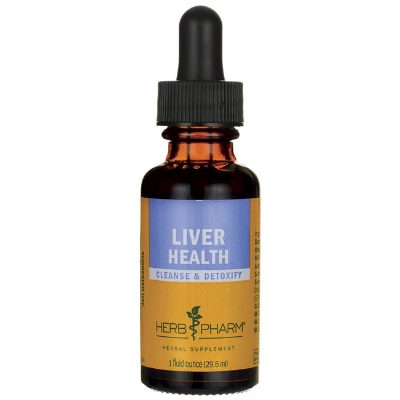
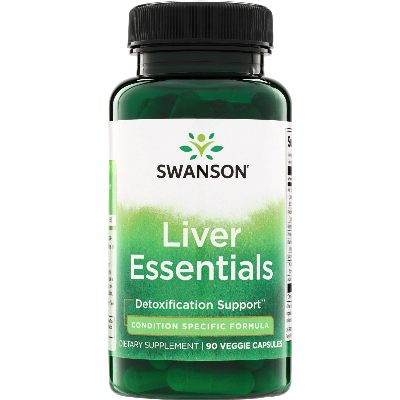
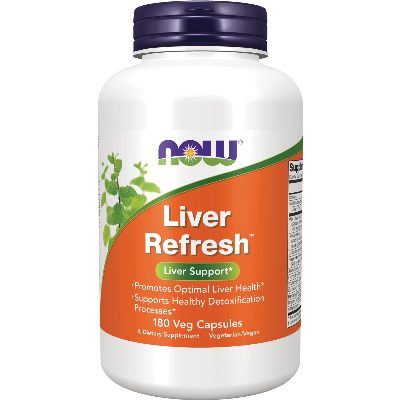
For readers comparing liver-focused products, Liver Health - Cleanse & Detoxify - Cleanse & Detoxify is a liquid herbal extract containing dandelion, Oregon grape, milk thistle, artichoke, schisandra, and fennel, with certified organic alcohol, distilled water, and vegetable glycerine listed as other ingredients. The product directions state to shake well and take up to 40 drops in two ounces of water or juice, two to four times daily; the package directions should be followed. Liver Essentials is a two-capsule serving that lists milk thistle extract standardized to 80% silymarin, dandelion, burdock, parsley, black radish, NAC, TMG, and alpha-lipoic acid. Liver Refresh is another proprietary blend with a three-vegetable-capsule serving; its label information includes calories and total carbohydrate. These descriptions do not establish suitability or medical benefit for a particular person.
How to build a realistic liver-care plan
A useful plan starts with an honest inventory rather than a shopping list. Readers can record typical alcohol intake, daily meals, activity, medications, supplements, vaccination history, and any prior liver tests. The next step is to identify one or two manageable changes, such as replacing sugary beverages on weekdays, adding a short walk after lunch, arranging a hepatitis screening discussion, or reviewing supplements with a pharmacist. Small actions are easier to monitor and less likely to trigger a cycle of extreme restriction followed by abandonment.
Before starting any liver-focused product, check whether the ingredients overlap with another supplement or medication. Ask about appropriate use if there is a history of hepatitis, gallbladder disease, abnormal liver enzymes, pregnancy, breastfeeding, surgery, or regular prescription treatment. Stop and seek professional advice if a new product is followed by jaundice, severe nausea, dark urine, rash, unusual bleeding, or other concerning changes. The most dependable foundation remains a balanced diet, regular movement, thoughtful alcohol decisions, vaccination and screening conversations where appropriate, and prompt attention to warning signs. Supplements may be part of an individual plan, but they should not replace evaluation of an underlying condition.
The information in this article is for reference only and does not constitute professional advice. For specific decisions, please consult a relevant professional based on your personal situation.