Liver-friendly nutrition is less about finding a dramatic “cleanse” and more about building repeatable eating habits that fit everyday life. The liver processes nutrients, medications, alcohol, and many other substances, so a sensible approach starts with regular meals, varied whole foods, appropriate portions, and careful supplement selection. For people with a diagnosed liver condition, nutrition needs can differ according to the cause and severity of disease; advice from a physician or registered dietitian should take priority. The guidance below is intended for general education and purchasing decisions, not diagnosis or treatment.
Start with a balanced eating pattern
A practical plate can include vegetables or fruit, a source of protein, and a minimally processed carbohydrate such as oats, brown rice, potatoes, beans, or whole-grain bread. Protein may come from fish, eggs, poultry, tofu, beans, yogurt, or other foods that suit personal preferences. This pattern is more useful than focusing on one “detox” ingredient because it supports adequate nourishment across the day and makes restrictive eating less likely. People who often eat at a desk, rely on takeaway meals, or skip breakfast can begin with one dependable meal and gradually apply the same structure to lunch and dinner.
Highly processed snacks, sugar-sweetened drinks, and meals rich in saturated fat can make daily nutrition less balanced, especially when they replace vegetables, protein, or high-fiber foods. That does not mean every treat must disappear; portion awareness and frequency matter more than perfection. Water, unsweetened tea, and regular meal timing are also straightforward choices. Anyone with cirrhosis, significant weight change, poor appetite, diabetes, or muscle loss should seek individualized guidance, because standard dieting advice may not fit their needs.
Alcohol and meal timing matter
Alcohol deserves separate attention because liver-related advice may be stricter than general wellness advice. People with alcohol-related liver disease or substantial fibrosis may be advised to avoid alcohol completely, and those with any diagnosed liver condition should ask their clinical team what level is appropriate. Alcohol may also appear in some sauces, desserts, mouthwashes, or liquid products, so reading labels can matter when strict avoidance has been recommended. The safest choice for a person told to abstain is to select alcohol-free alternatives rather than rely on assumptions about serving size.
Long gaps without food can also be unsuitable for people with advanced liver disease or poor nutritional intake. Clinical nutrition guidance commonly emphasizes regular meals and snacks, with carbohydrate and protein included as appropriate; a dietitian may suggest a bedtime snack in specific circumstances. This is different from a general “fasting challenge,” which should not be started casually by someone with liver disease. If appetite is low, swallowing is difficult, or unintentional weight loss is occurring, professional assessment is more useful than adding an unverified cleanse product.
Common supplement myths to question
The word “detox” is often used as if a bottle could replace sleep, food quality, alcohol avoidance, or medical care. In reality, herbal formulas can contain multiple active ingredients, and “natural” does not automatically mean suitable for every person. Supplements may interact with prescription medicines, affect allergies or digestive symptoms, or be inappropriate during pregnancy, breastfeeding, surgery, or certain liver and gallbladder conditions. Vitamin A, green tea extract, kava, and some other supplements have been reported in clinical guidance as potential sources of liver injury, which is why professional review matters.
A better question is not “Which product cleanses the liver fastest?” but “What exactly is in this formula, and is it suitable for this person?” Look for a complete ingredient list, serving instructions, warnings, serving size, and clear distinction between herbs and other ingredients. Standardized extracts can make label comparison easier, but standardization alone is not proof that a product is appropriate. Anyone taking medicines, managing a diagnosed condition, or preparing for a procedure should show the complete label to a doctor or pharmacist before use.
How to compare herbal formulas
When comparing products, begin with the format. A liquid may suit someone who dislikes capsules, while capsules may be simpler for travel and routine use. Next, compare the ingredient transparency and directions rather than judging a formula by the number of herbs listed. A product with a proprietary blend may provide less detail for ingredient-by-ingredient comparison, while a label listing botanical names and amounts can make the decision more informed. Packaging should always be checked for the latest serving instructions and warnings.
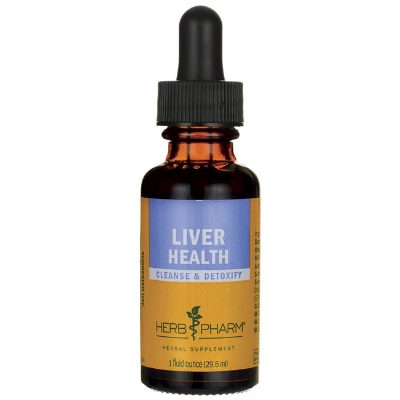
Liver Health - Cleanse & Detoxify is a liquid herbal extract featuring dandelion root, leaf and flower, Oregon grape root, milk thistle seed, artichoke leaf, schisandra berry, and fennel seed. Its listed other ingredients are certified organic alcohol, distilled water, and vegetable glycerine; the product directions say to shake well and take up to 40 drops in water or juice two to four times daily. The label also identifies ingredients as certified organically grown, sustainably wildcrafted, sustainably grown, or fresh where specified. These details make it a useful example for readers comparing liquid format, botanical variety, and sourcing language, but suitability still depends on personal health circumstances.
Choosing by everyday needs
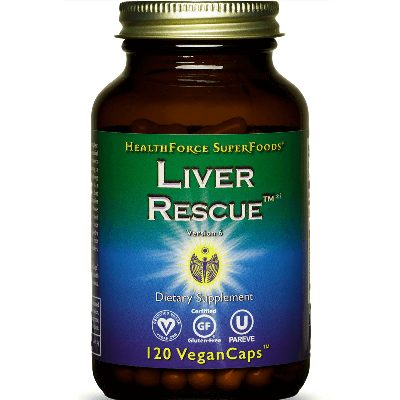
For someone who wants a liquid format and prefers a formula with several named herbs, Liver Health - Cleanse & Detoxify offers the clearest example among the products discussed here. Someone who prefers capsules may instead examine Liver Rescue, which lists milk thistle, dandelion root, chanca piedra, and turmeric, or Liver Refresh, described as a proprietary blend containing milk thistle extract and nutrients including N-acetyl cysteine and methionine. Because proprietary blends may limit ingredient-by-ingredient comparison, readers should rely on the current package label and ask a professional when medication or a diagnosed condition is involved.
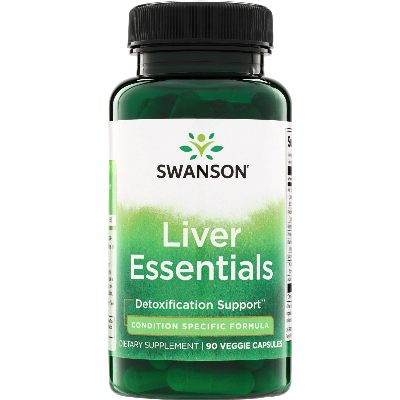
Liver Essentials lists milk thistle seed extract standardized to 80% silymarin, along with dandelion, burdock, parsley, black radish, NAC, TMG, and alpha-lipoic acid. Its stated serving size is two vegetarian capsules, and its product information recommends consulting a healthcare professional for specific concerns or medicines. Liver Cleanse lists berberine HCl, milk thistle extract, burdock extract, and chicory extract, with suggested use of one capsule one to three times daily or as directed by a healthcare practitioner. These examples show why serving size, ingredient detail, and professional guidance should be considered together rather than selecting by product name alone.
A simple decision checklist
Before selecting any liver-focused supplement, write down the actual goal: a convenient liquid, a capsule routine, a shorter ingredient list, or a formula with clearly identified botanical names. Then review current medicines, allergies, pregnancy or breastfeeding status, planned surgery, and any history of liver or gallbladder disease. A pharmacist, physician, or registered dietitian can help identify interaction risks that a general product description cannot address. If symptoms such as jaundice, dark urine, persistent nausea, abdominal swelling, confusion, or unexplained weight loss are present, medical evaluation should come before supplement shopping.
Food habits remain the foundation: regular meals, varied protein and plant foods, sensible portions, limited alcohol where advised, and caution with highly concentrated products. A supplement should be treated as an optional decision requiring label review, not as a substitute for diagnosis or dietary care. The most practical choice is the one whose ingredients and directions are understood, whose format fits the user’s routine, and whose use has been reviewed when health conditions or medications are involved. This article is for general information only; personalized guidance should come from a qualified healthcare professional.
The information in this article is for reference only and does not constitute professional advice. For specific decisions, please consult a relevant professional based on your personal situation.