
After a dinner, work event, or weekend gathering that includes alcohol, many people look for a liver-support supplement. The first question, however, is not which bottle has the longest ingredient list. It is whether a product makes a realistic, transparent addition to a broader routine that includes spacing out drinks, eating regularly, sleeping, and avoiding further alcohol while the body recovers. No supplement should be presented as a way to erase the effects of heavy drinking or guarantee protection from liver injury. Evidence for milk thistle and silymarin remains limited or mixed, and supplement quality can vary, so selection should begin with label literacy and safety rather than detox language.
Start with the right expectation
Alcohol is processed primarily by the liver, and repeated or heavy intake is associated with a range of alcohol-related liver conditions. A single evening does not create a simple product-matching problem, and a supplement cannot replace medical assessment when warning signs appear. Persistent vomiting, confusion, yellowing of the skin or eyes, severe abdominal pain, fainting, or unusual bleeding warrants prompt medical attention rather than self-treatment. For routine decision-making, the most useful goal is modest: compare ingredients, serving directions, possible interactions, and whether the formula fits an adult’s existing health situation.
A practical after-drinking routine is deliberately unglamorous. Stop drinking alcohol, drink fluids according to individual needs, eat a balanced meal if tolerated, and allow time for sleep. People who drink frequently, use several medicines, have a diagnosed liver condition, or are pregnant or breastfeeding should obtain professional advice before using herbal products. The National Center for Complementary and Integrative Health notes that milk thistle is generally tolerated by many adults, but digestive side effects, allergic reactions, product-quality concerns, and herb–medicine interactions remain relevant considerations.
What to compare on a supplement label
The label should be read as a specification sheet, not as a promise. Start with serving size, number of servings, the named plant part, extract amount, and any standardization such as a stated percentage of silymarin. A large proprietary blend may list many herbs while making it harder to see how much of each ingredient is present. Clear directions are also valuable: a product intended for one capsule daily differs meaningfully from one requiring several tablets or multiple daily doses.
Consumers should also check other ingredients and common allergens. Soy-derived components, capsules, oils, sweeteners, and botanical extracts may matter to people with allergies, dietary preferences, or medication schedules. Claims such as “cleanse,” “detox,” or “rapid protection” deserve caution because they can make a supplement sound more medically capable than the available evidence supports. The NCCIH has also raised concerns that some milk thistle supplements may contain amounts different from the label or unwanted contaminants, making traceable manufacturing and careful purchasing important.
- Confirm serving size before comparing quantities.
- Distinguish whole herb from a standardized extract.
- Look for transparent ingredient amounts rather than vague blend language.
- Read warnings, allergens, storage instructions, and use directions.
- Keep the package available when asking a pharmacist or clinician about interactions.
When a simpler milk thistle formula may fit
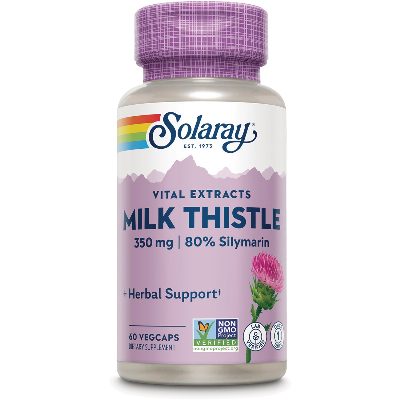
A person seeking a straightforward formula may prefer a product where the principal botanical and its standardized extract are easy to identify. Vital Extracts Milk Thistle lists a serving of one vegetarian capsule daily with a meal or glass of water. Its label identifies milk thistle seed extract with a guaranteed amount of silymarin, alongside milk thistle seed and capsule-related ingredients. This makes it easier to focus the comparison on a single botanical rather than a broad mixture, although a simpler label does not automatically mean a better choice for every person.
Thisilyn Milk Thistle Extract Milk Thistle Extract is another single-botanical option to examine. Its label describes milk thistle seed extract standardized to 80% silymarin and directs adults to take one capsule three times daily with liquid before meals. That schedule may suit readers who can follow divided dosing, while it may be less convenient for people who prefer a once-daily routine. The label also advises consultation with a healthcare professional during pregnancy, nursing, or medication use. In both cases, the stated directions should be followed instead of copying the schedule from another product.
When a broader blend requires closer review
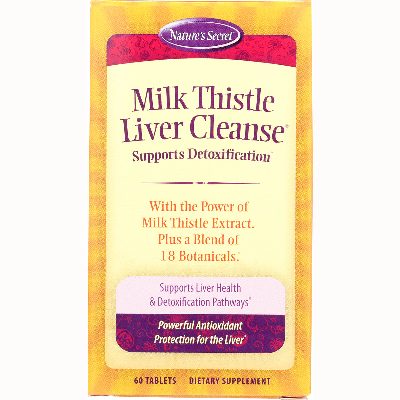
Some shoppers prefer a formula that combines milk thistle with several herbs and plant extracts. Milk Thistle Liver Cleanse lists a three-tablet serving and includes ingredients such as soy lecithin, alfalfa, beet, licorice, cayenne, BioPerine® black pepper extract, artichoke, dandelion, milk thistle extract, and turmeric extract. The product description identifies liver-support positioning, natural ingredients, and the absence of artificial colors and preservatives. Because the serving contains multiple botanicals, readers should review the full label carefully and consider whether the blend fits allergies, digestive sensitivity, and current medicines.
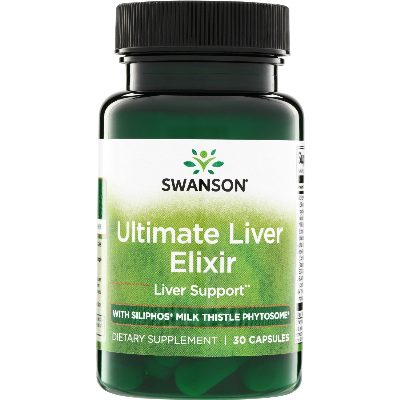
The remaining formulas illustrate why “more ingredients” is not a universal selection rule. Ultimate Liver Elixir with Siliphos Milk Thistle Phytosome lists one capsule per day and combines a milk thistle phytosome with red clover extract, alpha-lipoic acid, green tea extract, and L-glutathione. Milk Thistle Liver Detox uses two liquid soft-gels and lists vitamin C, flaxseed oil, milk thistle, artichoke, dandelion, turmeric, boldo, schisandra, beet, and licorice. Thisilyn Milk Thistle Extract is more focused on standardized milk thistle extract. These differences are useful for comparison, but they do not establish that one formula is clinically superior.
Match the choice to the situation, not the budget
For a reader prioritizing a short ingredient list, Vital Extracts Milk Thistle or Thisilyn Milk Thistle Extract Milk Thistle Extract may be easier to assess because the label centers on milk thistle. For someone who prefers a multi-ingredient format, Milk Thistle Liver Cleanse, Ultimate Liver Elixir with Siliphos Milk Thistle Phytosome, or Milk Thistle Liver Detox provides a broader set of listed components to review. The deciding questions should be whether the serving schedule is practical, whether any ingredient raises a personal concern, and whether a pharmacist or clinician has checked the combination.
A person taking prescription medicines should not assume that “natural” means interaction-free. Milk thistle may cause digestive symptoms or allergic reactions, particularly in people sensitive to related plants, and the safety of use during pregnancy or breastfeeding is not well established. Anyone with liver disease, a history of alcohol dependence, recurrent heavy drinking, or concerning symptoms should treat a supplement decision as secondary to professional care. Product labels can support an informed conversation, but they cannot diagnose the cause of abnormal liver tests or determine whether drinking has caused injury.
A safer way to think about post-drinking care
The most responsible selection principle is to separate recovery habits from supplement marketing. Reducing or avoiding alcohol is the central behavior, while a supplement—if used at all—should remain an optional, label-directed addition. Government health guidance describes increasing risks with greater alcohol amount and frequency, and no product has been established as a way to prevent liver damage from excessive alcohol use. That distinction protects readers from treating a capsule as permission to continue a pattern that may be harmful.
Before choosing, write down the product name, serving size, active ingredients, other ingredients, and current medicines. Compare only like with like, avoid stacking several liver-themed products, and stop if a new reaction develops. If symptoms are severe or persistent, medical evaluation is more appropriate than changing supplements. These steps keep the decision grounded in transparency, personal safety, and realistic expectations rather than the promise of a quick cleanse.
The information in this article is for reference only and does not constitute professional advice. For specific decisions, please consult a relevant professional based on your personal situation.