Male menopause is a commonly used term for changes such as lower sexual desire, reduced energy, mood changes, sleep difficulties, or loss of muscle capacity in midlife and later years. Unlike menopause in women, it is not a clearly defined biological transition that affects every man at a predictable age. Testosterone may decline gradually with age, but symptoms can also reflect poor sleep, excess alcohol, smoking, inactivity, obesity, medication effects, depression, stress, or another health condition. A sensible wellness plan therefore starts with context rather than assuming that every symptom is caused by hormones.
Understand the Symptoms Before Choosing a Strategy
Possible low-testosterone symptoms include reduced libido, fewer spontaneous erections, erectile difficulties, fatigue, lower motivation, difficulty concentrating, depressed mood, reduced muscle mass, increased body fat, hot flushes, or sleep disruption. These signs are not specific, and several can occur with diabetes, thyroid disorders, anaemia, sleep apnoea, cardiovascular disease, medication use, or prolonged psychological strain. Keeping a short symptom diary can make a clinical discussion more useful: record sleep duration, mood, sexual symptoms, exercise, alcohol intake, medicines, and when changes began. Urgent support is appropriate when low mood includes thoughts of self-harm, while new chest pain, severe breathlessness, or sudden neurological symptoms require immediate medical attention.
Build a Sustainable Exercise Routine
Regular movement is one of the most practical foundations for men concerned about midlife changes. A balanced routine can combine resistance training, aerobic activity, mobility work, and ordinary daily movement such as walking or cycling. Strength sessions may use body weight, resistance bands, machines, or free weights, with gradual progression and attention to technique rather than trying to lift as much as possible. Aerobic activity can include brisk walking, swimming, dancing, or jogging according to fitness and joint comfort. Men who have been inactive, have chronic disease, or develop pain should start conservatively and seek professional guidance before making large changes. Exercise is not a substitute for assessment, but it can support physical function, confidence, sleep routines, and general health.
Treat Sleep as a Health Priority
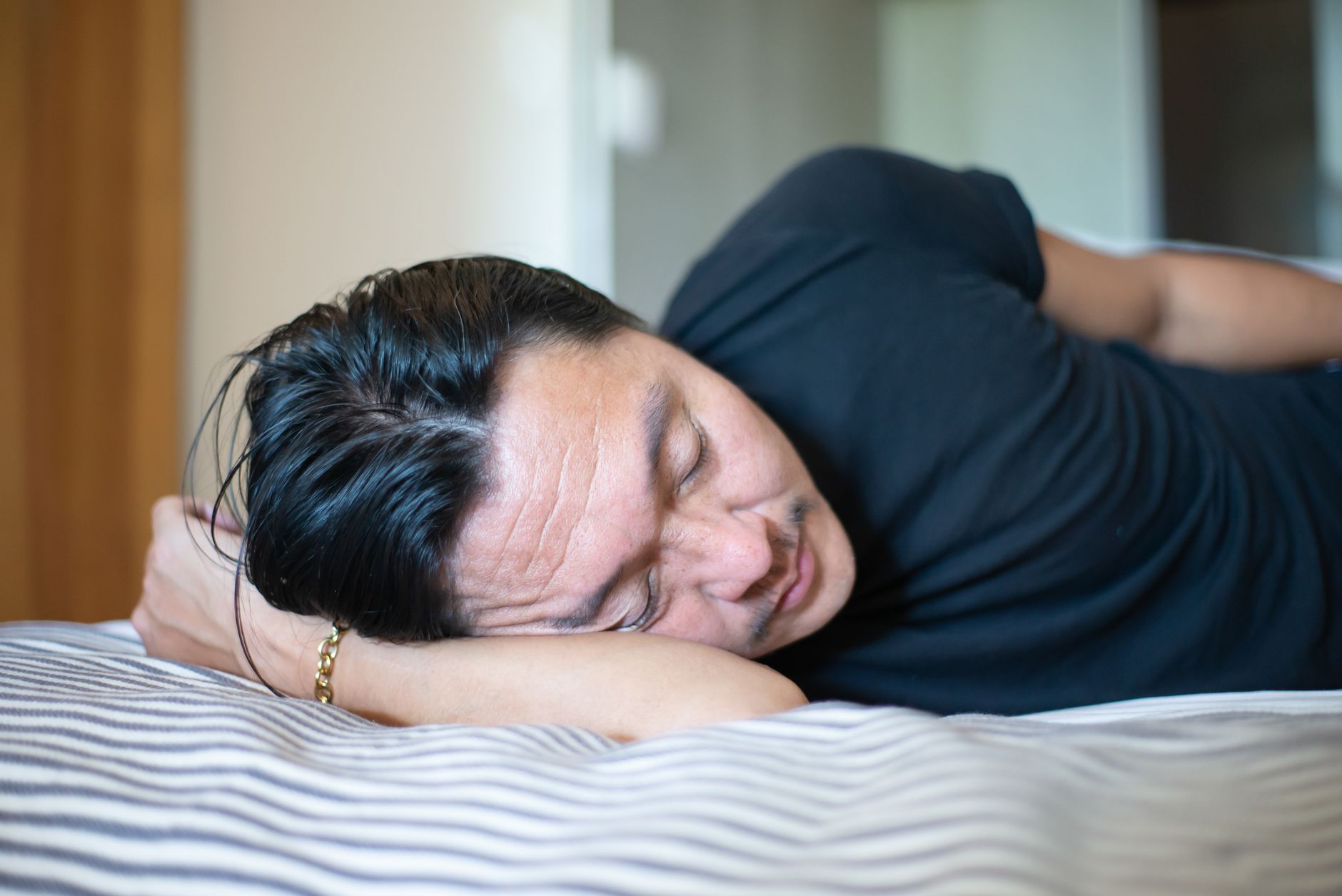
Poor sleep can resemble or intensify many symptoms attributed to male menopause, including fatigue, irritability, low motivation, and reduced sexual interest. A consistent wake time, a dark and cool bedroom, reduced evening screen exposure, and limiting late caffeine or alcohol can create a more reliable sleep pattern. Loud snoring, witnessed pauses in breathing, morning headaches, or marked daytime sleepiness may point to sleep apnoea and deserve medical evaluation. Shift work, caregiving, pain, and anxiety may require an individual plan rather than generic sleep tips. Tracking bedtime, wake time, awakenings, and daytime alertness for two weeks can help identify patterns to discuss with a clinician.
Use Food and Alcohol Habits Realistically
A generally balanced eating pattern can include vegetables, fruit, beans, whole grains, fish or other protein sources, unsalted nuts, and mostly unsaturated fats. The goal is not a special “testosterone diet” or a collection of unregulated supplements; it is a practical pattern that fits the person’s health needs, budget, culture, and schedule. Large meals late at night, frequent sugary drinks, and heavy alcohol use can interfere with sleep, weight management, mood, and sexual function. Smoking cessation is also worth discussing because tobacco affects cardiovascular and sexual health. Anyone considering vitamins, herbal products, or products marketed as hormone boosters should check ingredients and interactions with a pharmacist or doctor, since “natural” does not mean risk-free.
Know When Testing Is Appropriate
A diagnosis of hypogonadism should not be based on one symptom or one commercial test. The Endocrine Society states that clinicians should identify compatible symptoms and consistently low, accurately measured testosterone levels, while the 2026 society statement notes that testing commonly involves at least two early-morning, fasting measurements. Testosterone is often highest in the morning, so a clinician may request testing during that window and investigate reversible contributors such as obesity, medicines, or poor sleep. Routine screening of every healthy older man is not generally recommended. A proper appointment should also cover fertility plans, prostate history, cardiovascular risk, medications, mental health, and any symptoms suggesting another condition.
Consider Treatment Only With Clinical Oversight
Testosterone replacement is intended for men with confirmed hormone deficiency and an appropriate clinical indication, not as a general anti-ageing product. Treatment decisions should be individualised after discussing potential benefits, uncertainties, monitoring, fertility goals, and alternatives. Testosterone therapy is generally unsuitable for men planning near-term fertility and requires particular caution or avoidance in situations such as known or suspected prostate or breast cancer, depending on clinical findings and current guidelines. Products purchased online or used without monitoring may contain undisclosed ingredients or create unsafe hormone levels. Follow-up can include symptom review, testosterone measurement, blood counts, and prostate-related assessment when appropriate. Health information is for general education only; persistent or troubling symptoms should be assessed by a qualified healthcare professional.
Create a Practical Personal Plan
A useful plan is specific enough to follow but flexible enough to survive busy weeks. One person may begin with two short resistance sessions, daily walks, a fixed wake time, and an appointment to review fatigue; another may need sleep-apnoea assessment, medication review, or support for depression before changing exercise. Progress can be monitored through energy, sleep quality, strength, mood, libido, waist measurement, and functional goals rather than a single hormone number. Reassessment matters because symptoms may have several causes and may change independently. The most responsible approach combines sustainable habits, careful evaluation, and shared decisions with healthcare professionals instead of relying on dramatic promises or unverified hormone products.