
Midlife often brings a noticeable change in daily energy, appetite, sleep patterns, and activity levels. Many people describe this experience as a “slower metabolism,” but the practical issue is usually broader: work routines become more sedentary, muscle-building activity may decline, meals become irregular, and recovery takes longer. A thoughtful approach should therefore begin with food quality, movement, sleep, and medical context rather than a promise from a single product. This guide explains how to assess metabolism-focused supplements, how to avoid common misunderstandings, and how several products may fit different routines without presenting them as treatments or replacements for professional care.
What “slower metabolism” may mean in midlife
Metabolism is not a single switch that suddenly turns off at a particular birthday. Daily energy needs are influenced by age, body size, muscle mass, activity, sleep, eating patterns, and health conditions. Someone who works at a desk, skips lunch, snacks late at night, and rarely performs resistance exercise may feel very different from a person of the same age who walks regularly and follows a consistent meal pattern. For that reason, a product should not be selected only because its name includes words such as “metabolism,” “energy,” or “fat burning.”
A useful first step is to identify the real situation: long gaps between meals, low variety in the diet, limited movement, reduced appetite in the morning, or difficulty maintaining a regular routine. Adults are commonly advised to include moderate aerobic activity and muscle-strengthening work each week, adjusted to their abilities and health status. Supplements may fit into a routine when dietary intake is limited, but they cannot replace a varied eating pattern, adequate sleep, or a consultation when persistent fatigue or unexplained changes appear.
Selection principle one: start with the label and the routine
The most practical product is usually the one whose form and instructions match real life. A person who dislikes swallowing tablets may find a single-serve drink easier to use, while someone who already takes several products may prefer a simpler routine rather than adding multiple overlapping formulas. The label should be checked for serving size, ingredients, allergens, dietary suitability, storage instructions, and any cautions. “Natural” does not automatically mean appropriate for every person, and taking several supplements can increase the chance of unwanted interactions or excessive intake.
The recommended schedule also matters. For example, a product intended for use before breakfast requires a dependable morning routine. A capsule taken more than once daily may be difficult for people who travel, work shifts, or frequently miss meals. Before choosing, readers can ask three questions: Can the directions be followed consistently? Are the ingredients suitable for current medicines and health conditions? Does the product serve a clearly defined nutritional purpose rather than repeating something already used?
A drink-format example for morning routines
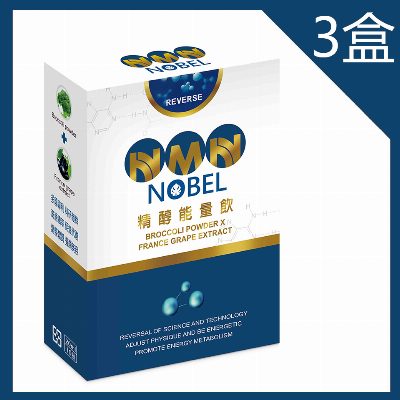
美鳳有約推薦 天天頤NMN NOBEL逆轉精醇能量飲 is a drink-format product designed for people who prefer a single daily serving. Its listed formula includes NMN from broccoli extract, resveratrol from grape extract, amla extract, astaxanthin, mixed berries, and vitamin C. It is described as suitable for vegetarians, uses ultrasonic extraction, and is intended for one sachet daily before breakfast, with the product information suggesting use from age 25 onward.
This format may be considered by adults who want a defined morning ritual and who prefer a drink over capsules. The key selection questions are straightforward: Is a pre-breakfast serving realistic, does the person accept the listed ingredients, and has the label been reviewed alongside existing supplements? The product should be used according to its packaging directions, and people who are pregnant, managing a medical condition, taking prescription medicines, or preparing for a procedure should seek professional advice before adding it. Its presence in a routine does not replace meals or clinical assessment.
A capsule option for irregular schedules
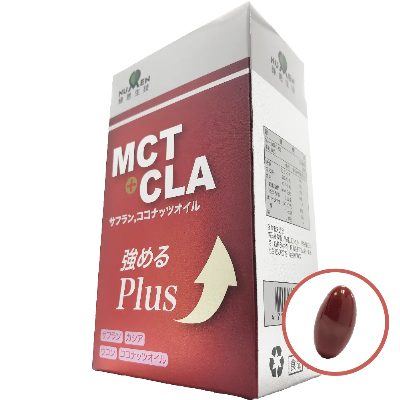
MCT閃澱代謝軟膠囊 contains MCT閃澱代謝軟膠囊, CLA, green tea extract, 95% turmeric extract, French cactus extract identified as NeOpontia, cassia seed extract, and chicory fiber. The package information states that the contents include 30 capsules and recommends one capsule twice daily, with timing options including before meals, after meals, or at bedtime; it also notes that more is not necessarily better. This flexible timing may appeal to people whose meals do not follow a fixed schedule.
The product can be evaluated as a capsule-based nutritional option for busy office workers, students, or people with long periods of sitting, but the decision should remain grounded in tolerance, label review, and routine fit. Green tea extract and botanical ingredients deserve particular attention when a person uses medicines or has an existing health concern. A supplement should not be treated as permission to ignore meal quality, hydration, walking breaks, or professional guidance. If digestive discomfort or another unexpected reaction occurs, use should be paused and discussed with a qualified healthcare professional.
Do not confuse metabolism goals with joint-care needs
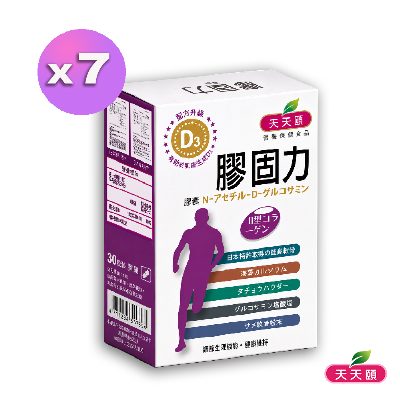
Some midlife readers are not mainly looking for an energy or meal-routine product; they may be concerned about comfort during walking, climbing stairs, gardening, or returning to exercise. That is a different selection goal. 雙效升級版膠固力膠囊 contains marine algae calcium, glucosamine hydrochloride, ostrich extract powder, salmon island cartilage extract, shark cartilage powder, and vitamin D3. The package information states one capsule per serving, 30 servings per package, storage in a cool and dry place, and the presence of shellfish, fish, and related products.
This product should therefore be assessed through the lens of joint-related daily nutrition and allergen suitability, not as a metabolism formula. The listed ingredients and serving directions should be compared with a person’s existing calcium, vitamin D, or joint products to avoid unnecessary duplication. Anyone with a fish or shellfish allergy, a relevant medical condition, or a medication schedule should review the label with a healthcare professional. Keeping the container away from heat and direct sunlight is also part of responsible use.
Common myths that can distort product choices
The first myth is that a supplement can compensate for an inconsistent lifestyle. A drink or capsule may be convenient, but it does not automatically correct insufficient protein, low fiber intake, irregular sleep, or prolonged sitting. The second myth is that a longer ingredient list must be better. Multi-ingredient formulas can be convenient, yet they also make it harder to identify which ingredient causes an unwanted reaction or overlaps with another product.
Another misunderstanding is that “metabolism support” means guaranteed weight change or a medical outcome. Responsible content should avoid those conclusions, because individual responses vary and product claims do not replace evidence-based care. Readers should also avoid taking several products with similar ingredients simply because each one uses different marketing language. Comparing the complete labels, serving sizes, allergens, and intended use is more meaningful than comparing slogans.
A practical decision process for different needs
For a consistent morning routine, the drink format of 美鳳有約推薦 天天頤NMN NOBEL逆轉精醇能量飲 may be easier to organize because the listed directions specify one sachet before breakfast. For a person with irregular meal timing who prefers capsules, MCT閃澱代謝軟膠囊 offers a schedule with more than one possible time of day, although the full ingredient list and individual suitability still need review. For someone whose priority is daily joint-related nutrition and who has no relevant seafood allergy, 雙效升級版膠固力膠囊 belongs to a different category and should not be chosen merely because of the word “midlife.”
The strongest decision is not necessarily the product with the most ingredients. It is the option that matches the actual gap in a person’s routine, has clear directions, fits dietary restrictions, and can be used without duplicating other supplements. A simple record of meals, sleep, activity, and any new product can make it easier to notice patterns. Persistent fatigue, sudden body changes, significant digestive symptoms, or concerns about blood sugar, thyroid function, or medication interactions warrant professional evaluation rather than self-directed product switching.
A balanced routine remains the foundation
A midlife nutrition plan is more sustainable when it includes regular meals built around varied foods, adequate fluids, daily movement, and muscle-strengthening activity suited to the individual. Short walking breaks during desk work, a protein-containing breakfast or lunch, and a consistent bedtime can be more realistic than a dramatic overnight overhaul. Supplements may be considered when a person has a specific dietary gap or wants a convenient routine, but they should be viewed as optional additions rather than substitutes for food or prescribed treatment.
Before using any product, read the package, check serving instructions, consider allergies and medicines, and avoid combining overlapping formulas without professional input. Product descriptions should be interpreted conservatively, especially when they use broad terms such as energy, metabolism, or anti-aging. The most reliable approach is to match the product format to daily behavior, keep expectations realistic, and seek qualified advice when health concerns extend beyond ordinary lifestyle planning.
The information in this article is for reference only and does not constitute professional advice. For specific decisions, please consult a relevant professional based on your personal situation.